Hackers Turned European Supermarket Fridges Into Saunas
Hackers put dozens of European supermarket fridges into defrost mode, pushing some to 122 degrees Fahrenheit. It is a warning for any business that runs connected equipment and assumes nobody will touch it.
Fridges turned to 122 degrees
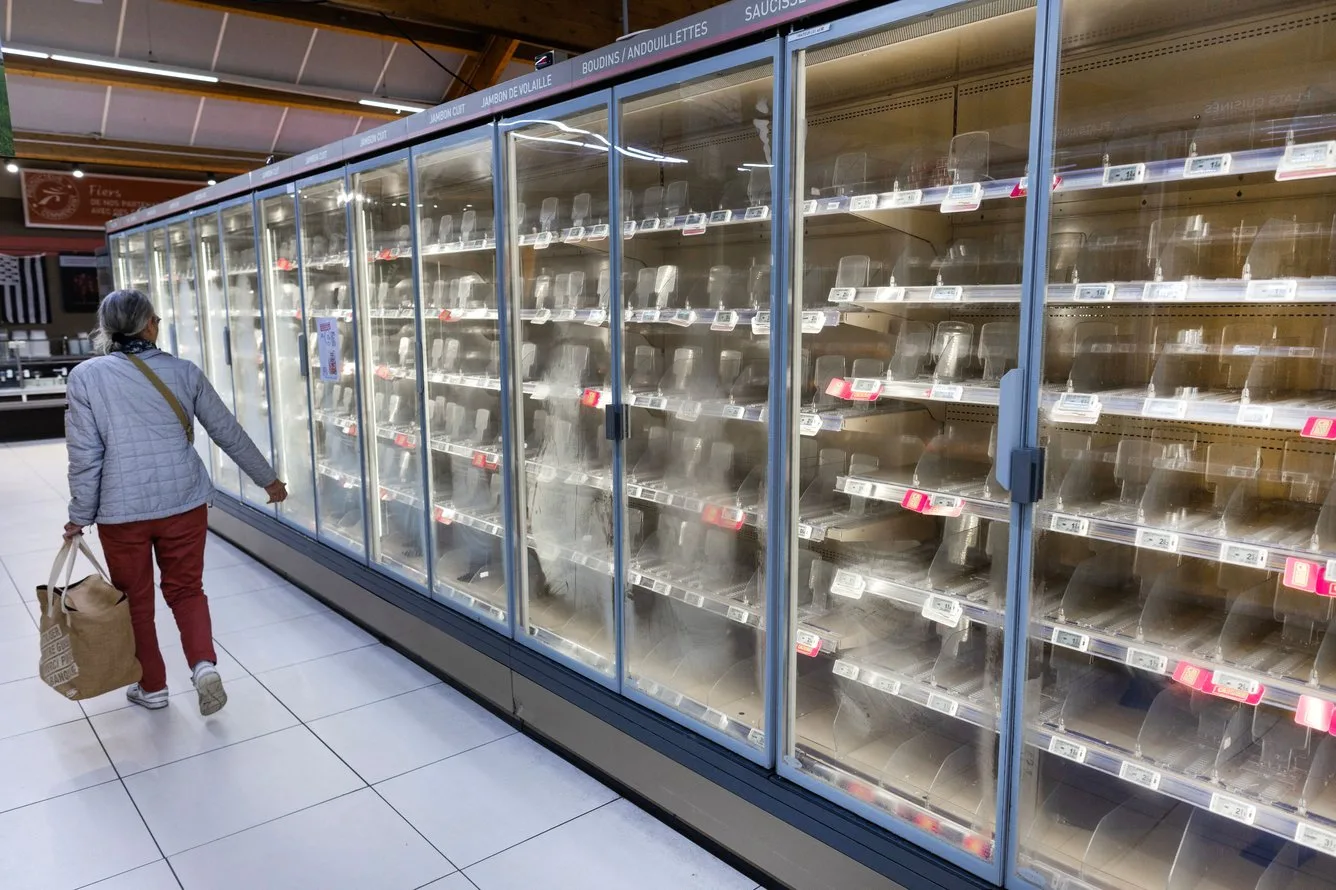
Boiled gelato was the plat du jour after hackers targeted fridges and freezers at dozens of European supermarkets. Morning Brew reports that the defrosting cyberattacks had temperatures reaching 122 degrees Fahrenheit in some grocery store refrigerators across Belgium, Estonia, Finland, Ireland, Luxembourg, the Netherlands, and Sweden.
The image is almost funny until you count the loss. Perishable stock spoils fast at that temperature, and a store cannot simply turn the cases back down and keep selling what sat in the heat. Food that warmed up has to go, trust takes longer to rebuild than temperature takes to recover, and the cleanup lands on staff who never signed up to fight a cyberattack with a mop.
How it happened, and why it keeps happening
The Belgian company Sabcobel, which operates some of the fridges involved, said hackers attacked a digital system that remotely controls the devices, putting them into defrost mode. Sabcobel said it had been patching software vulnerabilities over the past few weeks but explained that some fridges require physical modifications.
Danfoss, a Danish refrigeration temperature control systems supplier, said its tech was targeted both in this hack and in an earlier French cyberattack, affecting customers with outdated software. A similar cyberattack in France last month left dozens of supermarkets dealing with fires, forcing them to toss millions of euros worth of products. The Pentagon is also investigating August hacks on several military base commissary fridges that led to the mass melting of frozen foods. This is not one unlucky chain. It is a pattern.
More than 20 attacks this year
Morning Brew cites cybersecurity firm Forescout, which says more than 20 cyberattacks on refrigeration systems have taken place this year, with some linked to Russia aligned hackers. The broader concern is AI enabled hackers attacking critical infrastructure that relies on digital systems.
Refrigeration is an easy target precisely because it looks boring. Nobody pictures a fridge as a computer, which is why its software gets patched late, its remote access gets left open, and its failure mode gets discovered by attackers instead of owners. When a system can be switched remotely, it can be switched remotely by the wrong person too. That sentence sounds obvious, and it is exactly the sentence most businesses skip.
The lesson for Florida businesses
Every connected device is a door: cameras, point of sale systems, thermostats, freezers, smart locks, and the scheduling tools that run a venue or a studio. If you run a restaurant, a salon, a venue, or a shop in Florida, make a list of every system someone else can control from outside the building, and ask who has access, what happens if it fails, and how fast anyone would notice.
Then ask your vendors two unglamorous questions: what is the update path, and what happens when a fix needs a physical visit instead of a software patch? Run a failure drill before an attacker runs one for you. If a case goes into defrost, who gets the alert, how much stock is at risk, and what do you tell customers? The stores in this story did not lose food because refrigeration is hard. They lost it because a remote switch was easier to reach than anyone planned.
Sources and further reading
Sources were checked for this article. Tool features, prices and availability can change. Product claims are attributed to their publishers.