Data Centers Are on the Ballot, and OpenAI Wants a New Name for Them
About 20 communities vote on data center bans or pauses in the midterms, while OpenAI prepares to rebrand the sites as AI compute campuses. The fight is over power, jobs, and trust, and a rename will not settle it.
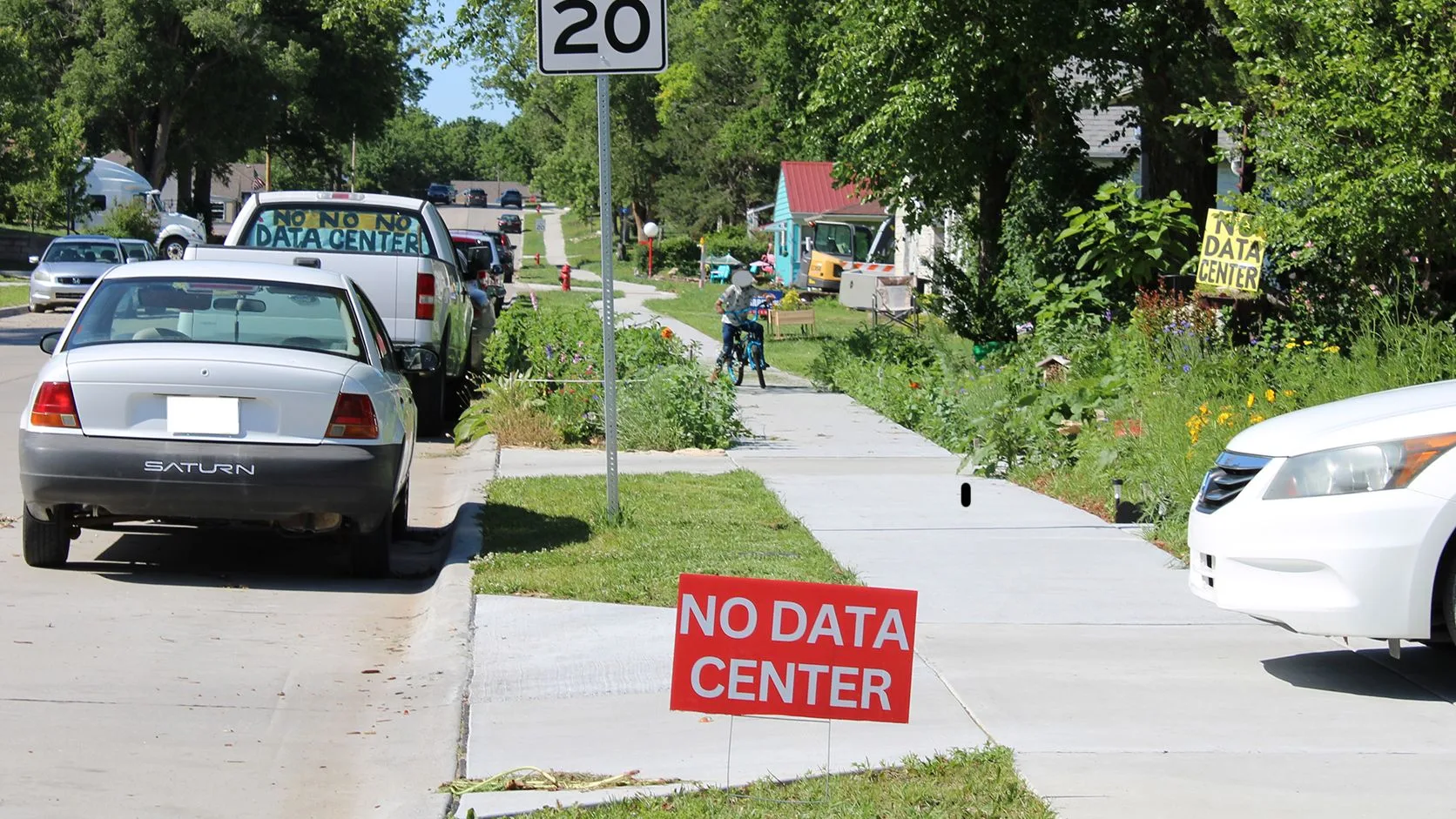
Twenty communities vote on the buildout
AI spent two years winning over Washington. This week it faces voters. The Rundown reports that the midterm elections double as a referendum on data centers, with roughly 20 communities voting on bans or pauses on new construction. Some Democratic candidates want to go further, including a federal freeze on new data centers, with House hopefuls Will Lawrence in Michigan and Rebecca Cooke in Wisconsin named among them.
The politics around the projects have shifted fast. The White House already persuaded tech giants to voluntarily supply their own power, and last week President Trump floated having developers pay local residents a dividend as well. When both parties start negotiating over who pays for the electricity and who shares the upside, the building itself has become the campaign issue.
OpenAI is reaching for the rename
OpenAI reportedly plans a push after the election to rebrand data centers as AI compute campuses, and to pitch the sites as local economic boosts. The company points to a project it is helping build in Pike County, Ohio, which promises thousands of jobs. OpenAI policy chief Chris Lehane called the debate democracy in action, and the company backs state bills that give local residents a voice in new projects.
A better name is not worthless. Campus sounds like jobs, training, and a place a town can point to with pride. But The Rundown is blunt about the limit: public anger over power bills, water use, and construction in the backyard will not be fixed by vocabulary. People judge a project by what it costs them each month and what it pays them back, and those are numbers, not slogans.
What each side is actually offering locals
Strip away the branding and the offers on the table are concrete. Developers supply their own power so residents do not subsidize the load. A dividend sends money directly to locals. Local voice bills give neighbors a formal say before approvals. Jobs promises put thousands of positions on the record, where voters can check later whether they arrived.
That list is the real story for any builder. Every item answers a specific fear with a specific commitment that can be measured. Communities are not rejecting technology in the abstract. They are pricing the disruption and asking who carries it. Projects that answer early, in writing, with numbers, stand a far better chance than projects that arrive with a logo and a promise to listen.
The lesson travels straight to Florida
Florida towns will keep meeting this question as AI infrastructure, logistics, and energy projects look for land, power, and water across the Southeast. Event producers, venue builders, and creators working with local governments can borrow the same playbook. Bring the benefit list first: jobs, spending, timelines, and what the neighborhood gets, stated plainly enough to survive a public meeting.
And skip the hope that a rename does the persuading. Whether it is a data center, a festival, or a film shoot, local trust is earned with enforceable commitments and visible payoff. Call the project whatever you like after that. The communities voting this week are teaching every industry the same lesson at once: people support what they can verify, and they organize against what they cannot.
Sources and further reading
Sources were checked for this article. Tool features, prices and availability can change. Product claims are attributed to their publishers.