A Baby Shower Idea Became Artful Agenda at 275K a Month
Katy Allen wanted a paper planner that could talk to a digital calendar. The Hustle Blower tells how she built a private group before the app, survived a developer disaster, and grew Artful Agenda to 275,000 dollars a month in gross revenue.
The problem was a planner that could not sync
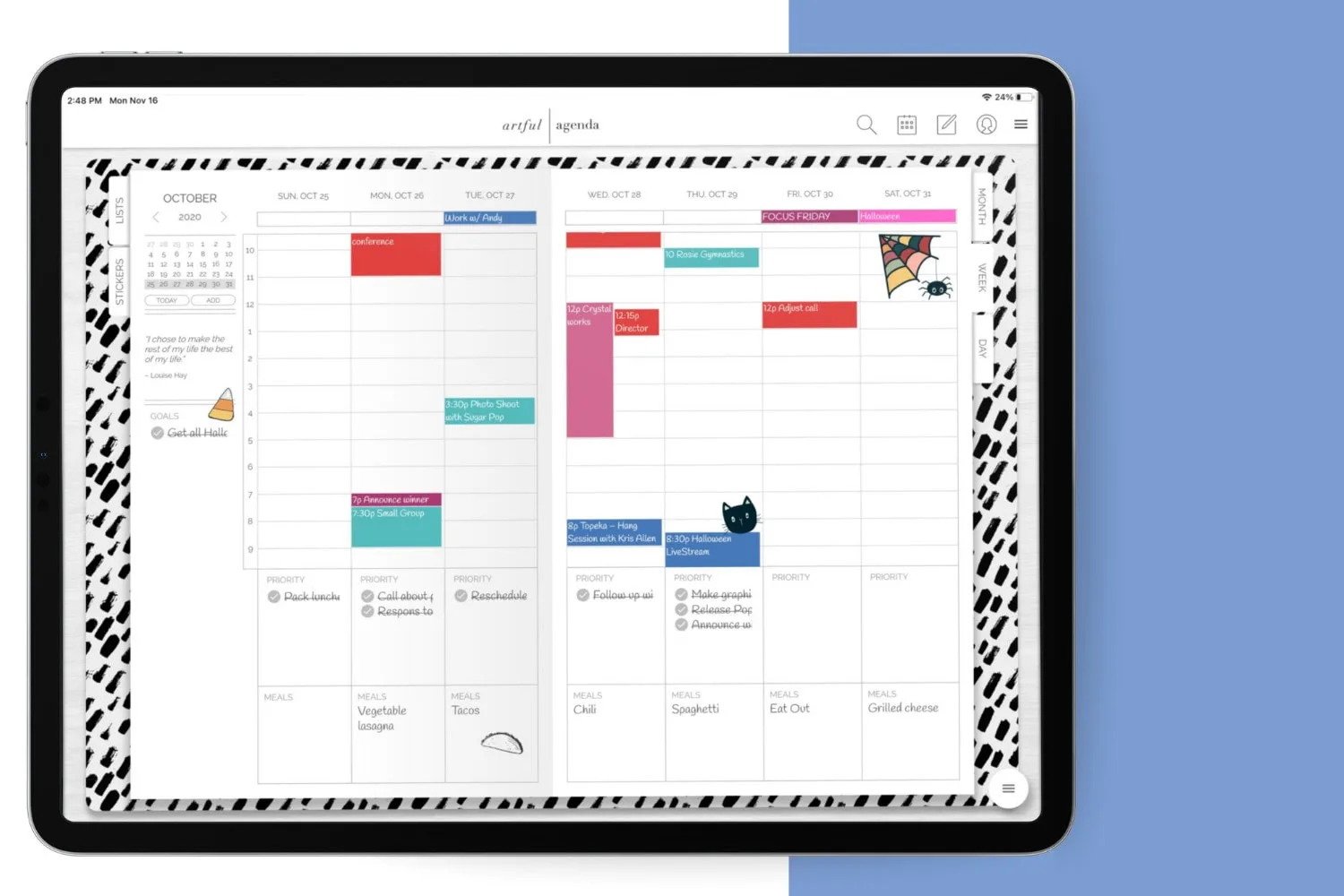
In Nashville in 2016, Katy Allen was raising young children, supporting a husband who traveled for work, and running a sales organization of more than 2,000 childrens book consultants. She loved beautiful paper planners, but her paper planner could not talk to her husbands digital calendar, and tools like Google Calendar synced appointments without giving her the planner experience she wanted.
At her daughters baby shower, a friend said she wished for a digital version of a beautiful paper agenda, and the light went on. One friend agreeing proves nothing on its own, but it told Katy the problem might live in other households too. She decided to find out properly before she built anything expensive.
She built the crowd before she built the app
Katy was not a software developer, so in 2017 she found people who understood software, sought business advice, and started learning. Her smartest move, though, involved no technology at all. She opened a private Facebook group for people who wanted a better digital planner, and she showed them mockups, features, designs, and pricing ideas.
Instead of guessing, she asked. The group became a research department that cost nothing, and when Artful Agenda finally launched, early testers from that group turned into paying subscribers. She was not collecting followers. She was recruiting future customers and product advisers at the same time, which is the kind of marketing any small team can copy.
A developer disaster, then a long climb
The hard chapter came with her first development company. By Katys account, the developers spent her budget while finishing only about half the app. She paid what was required to obtain the existing code, found a new team, and negotiated a fixed price arrangement with a local designer to get the product finished.
At launch the app brought in roughly 1,000 to 2,000 dollars a month, real money that still did not make the business profitable after development, support, and operating costs. Katy kept building and later invested in paid advertising, becoming profitable after about six months of ads. By June 2025 she reported far bigger numbers:
- About 275,000 dollars in average monthly gross revenue
- About 3.5 million dollars in annual gross revenue
- All of it from a subscription product built around a problem she personally understood, with figures that are founder reported and not audited profit
Copy the order of operations, not the software bill
The Hustle Blower argues for reversing the usual sequence. Pick one specific group of people, talk to 20 of them about the task they hate, the copying between tools, and the mistakes that cost them time or money, and ask whether they have ever paid to make the problem go away. A complaint is not a market. A past payment is evidence of one.
Then sketch the fix with a mockup, a spreadsheet, or a template, and offer a small paid pilot you can deliver by hand. Twenty people paying 12 dollars is only 240 dollars, but it proves more than 500 likes ever will. Photographers juggling shoots, tutors juggling students, and event organizers juggling deadlines all live inside scheduling chaos every week. The audience first playbook works in Florida creative businesses exactly as well as it worked for a planner in Nashville.
Sources and further reading
- The Hustle Blower: A Baby Shower Led to 275K a Month (October 16, 2026)
- Artful Agenda: The stylish digital calendar
Sources were checked for this article. Tool features, prices and availability can change. Product claims are attributed to their publishers.