Basketball Stars Are Building Real Businesses With Podcasts and Streams
Morning Brew rounds up the NBA and WNBA players running podcasts and Twitch streams, from the StudBudz to All the Smoke, and reports top shows can earn seven figures. For role players, the mic can outpay the game.
The second career starts while the first one is still playing
Current or retired, superstar or role player, a striking number of NBA and WNBA players now run popular podcasts or Twitch streams, sometimes with relatives, historians, and other experts at the table. Morning Brew frames these shows as side hustles, but the scale in its roundup suggests something bigger: players are building media businesses they own, on schedules they control.
The audience logic is simple. Fans already trust these voices on the game, and a stream or podcast lets a player talk for hours in a way a postgame interview never allows. Personality, access, and consistency turn playing fame into a direct audience relationship that does not retire when a playing career does.
The shows Morning Brew says are worth your time
The roundup spans both leagues and several formats, from teammate streams to veteran interview shows:
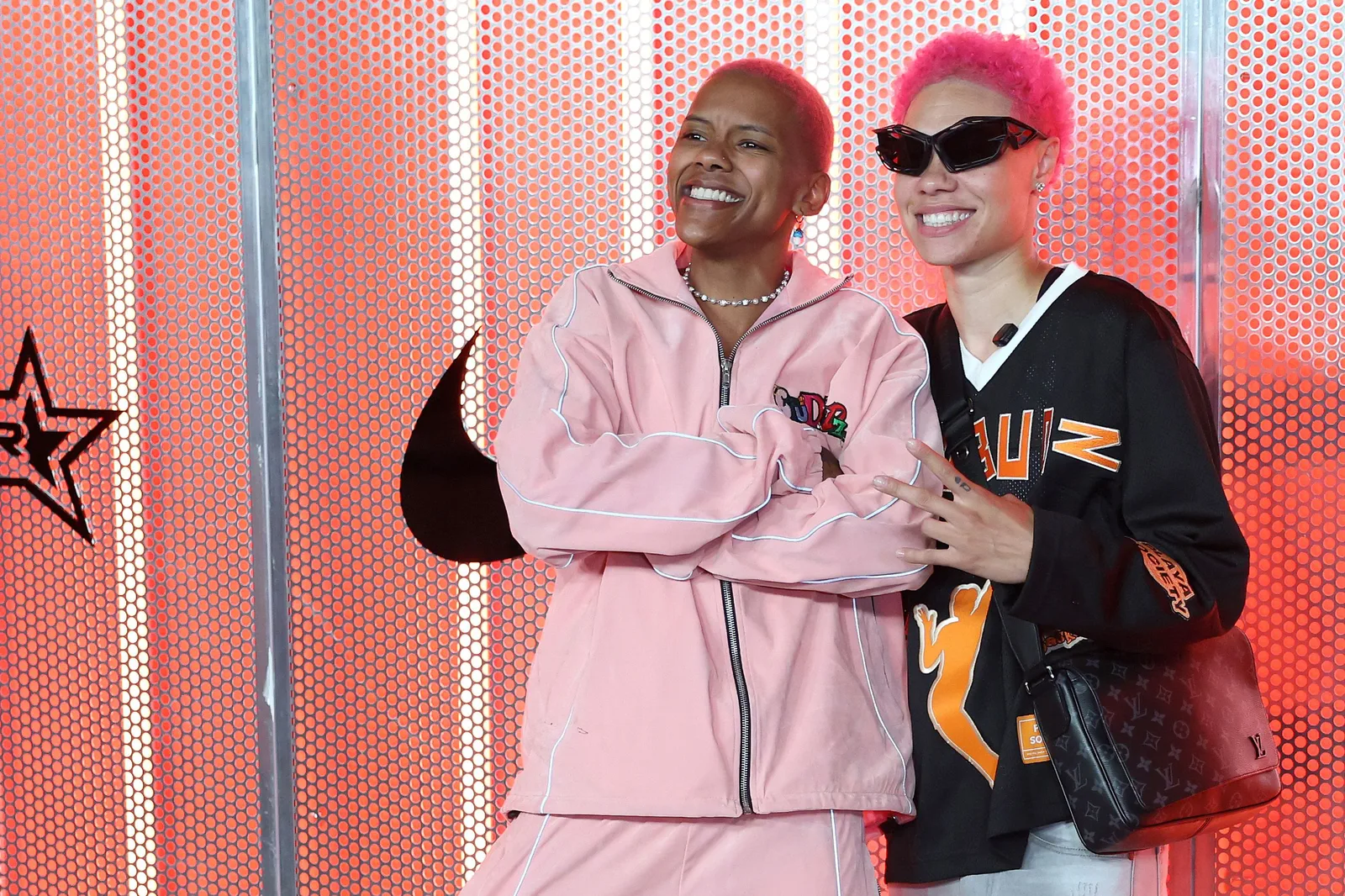
- The StudBudz on Twitch, with Minnesota Lynx players Courtney Williams and Natisha Hiedeman
- The Draymond Green Show, plus Club 520 with Jeff Teague, DJ Wells, and Bishop Henn
- All the Smoke with Matt Barnes and Stephen Jackson, and Birds Eye View with Sue Bird
- Straight to Cam with Cameron Brink and Sydel Curry Lee, and the Roommates Show with Jalen Brunson and Josh Hart
When the podcast outearns the playing career
Morning Brew cites The Hollywood Reporter reporting that a podcast hosted by someone of Draymond Greens stature can earn seven figures. For a star earning 27.7 million dollars this season, that is welcome money. For a role player, it can be the main event.
Matt Barnes, who was more of a role player during his career, said he expects to make more from podcasting than he made from the NBA. Read that twice. The league gave him the credibility and the stories. The show he built himself is what converts them into long term income, on his own terms, long after the final contract ends.
What athletes in Florida should copy right now
You do not need a national audience to use this playbook. A high school standout, a college player, or a local pro can start with the same ingredients: one repeatable format, one honest point of view, and a posting rhythm that survives a busy season. A weekly show recorded with a teammate costs little, compounds fast, and gives sponsors something concrete to buy besides a jersey.
The deeper lesson is ownership. A team controls your minutes, your role, and eventually your roster spot. Nobody can cut you from your own channel. Players who treat content as a business while they play are not chasing attention. They are building the asset that will still be working for them when the game moves on, and that is a plan any creator can respect.
Sources and further reading
Sources were checked for this article. Tool features, prices and availability can change. Product claims are attributed to their publishers.