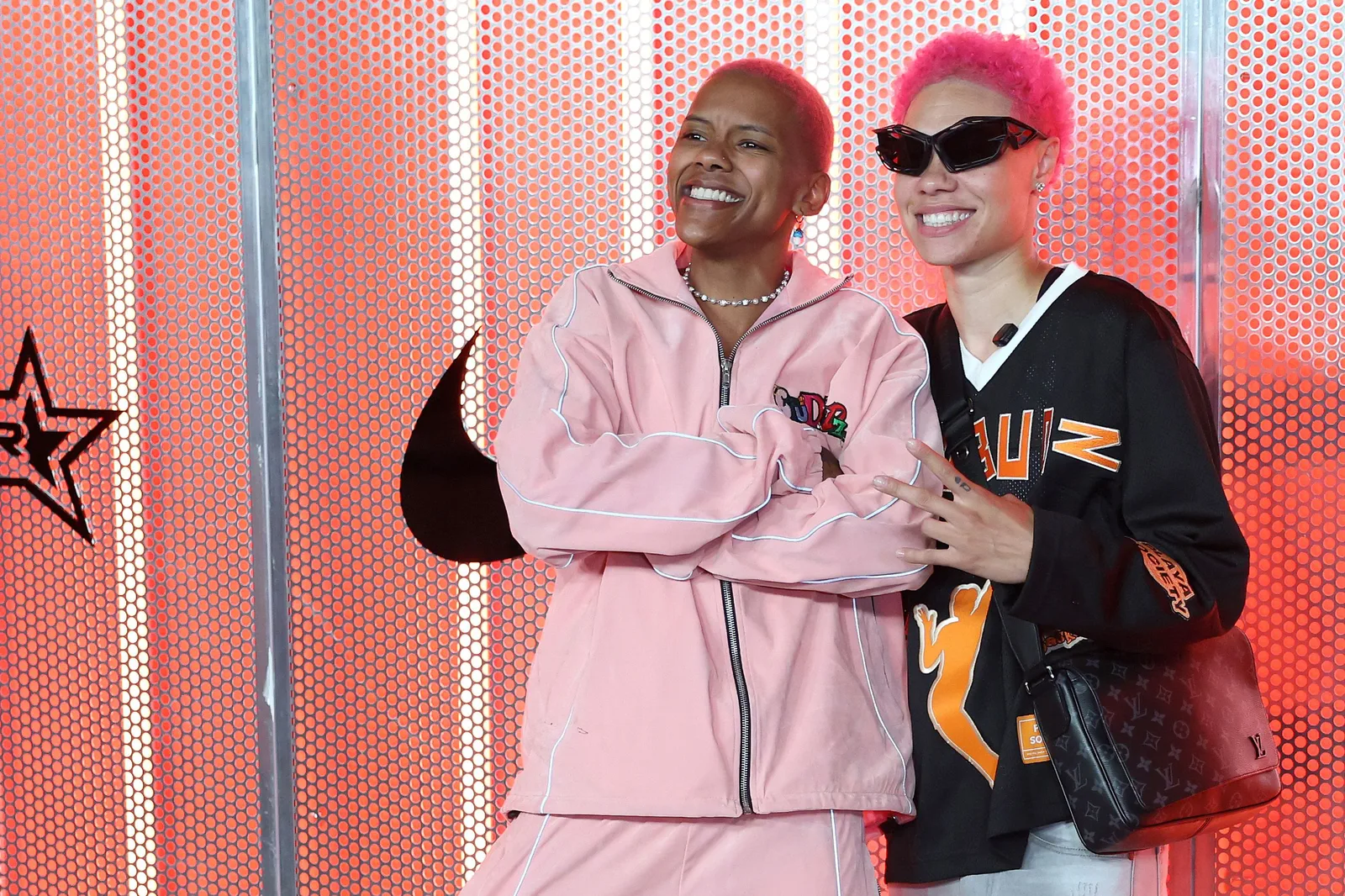
A Nobel Economist Helped WNBA Players Win a Historic Pay Raise
Claudia Goldin does not watch basketball, but she knows a wage gap when she sees one. Morning Brew reports how her viewer math helped WNBA players secure a 400 percent pay bump, with average pay rising toward 583,000 dollars.
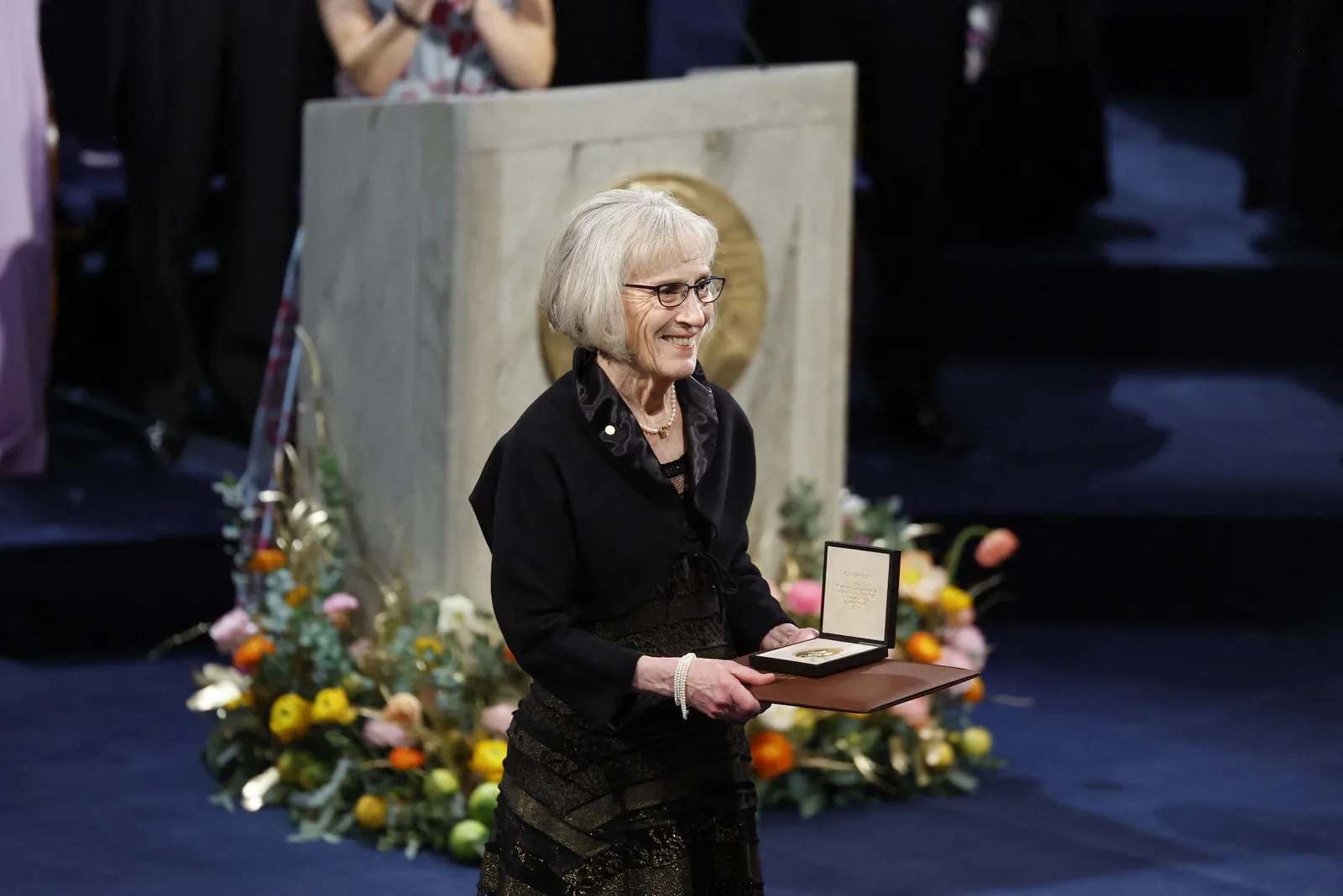
The economist who does not watch basketball
Nobel Prize winning economist Claudia Goldin says she does not watch basketball. Morning Brew reports that she still knew a wage gap when she saw one, and that she used her expertise in gender pay disparities to advise the WNBA players union during salary negotiations last year.
The result was an unprecedented raise the newsletter puts at 400 percent. Goldin helped crunch the numbers behind the players claim that their pay did not reflect the leagues rising popularity, a surge turbocharged by stars like Caitlin Clark and Angel Reese and visible in the leagues best regular season viewership since 2000.
The viewer math that made the case
Goldin dug into television ratings to argue that the WNBA average yearly paycheck of 127,000 dollars in 2024, compared with an NBA average of 10 million dollars, was an embarrassing wage gap. Her core calculation reframed the comparison around audience per player instead of raw league size:
- The WNBA attracted about 30 percent as many monetizable broadcast viewers per player as the NBA, accounting for the number and length of games
- Per player game attendance showed a similar pattern, by her analysis
- On that basis she argued equitable WNBA salaries would average a third to a quarter of NBA paychecks
- She also rejected the idea that the gap simply reflects profitability, noting the leagues costly expansion shows investors see it as lucrative
What the new deal actually pays
Soon after, the league and the union signed a contract bumping the players estimated average annual salary to 583,000 dollars, expected to rise to more than one million dollars by 2032. Other economists seconded Goldins findings, and Morning Brew notes a structural point worth remembering: the NBA spends about 50 percent of its revenue on player salaries, while WNBA paychecks have represented a much smaller fraction of league revenue.
The momentum behind the deal is still building. The WNBA is among the fastest growing sports leagues in the United States, viewership grew 17 percent last season, and the league plans to reach 18 teams by 2030, six more than it had in 2024. Skeptics question whether the growth rate can hold, and that question will decide how the next negotiation feels.
Why this matters beyond basketball
Every creative industry has a version of this negotiation. Photographers, videographers, editors, and performers are often told the exposure is the payment, or that the budget simply is what it is. Goldins contribution was not a slogan. It was a fair comparison, built from audience numbers anyone could check, that made the old pay scale impossible to defend with a straight face.
The practical lesson is to bring receipts in the right unit. Count the audience your work actually draws, the revenue it helps create, and the share that flows to the people creating it, then put those three numbers side by side before you talk price. That is how a pay conversation stops being a favor request and becomes an accounting question, and it works in a league office or at a Florida event venue.
Sources and further reading
Sources were checked for this article. Tool features, prices and availability can change. Product claims are attributed to their publishers.