Walmart Will Give Your AI Shopping Agent an Allowance but Amazon Wants Its Own Shopper
Walmart is building Agent Profiles with spending limits and purchase records for outside AI shoppers. Amazon is pushing back against outside agents and promoting its own assistant instead.
Two stores, two opposite doors
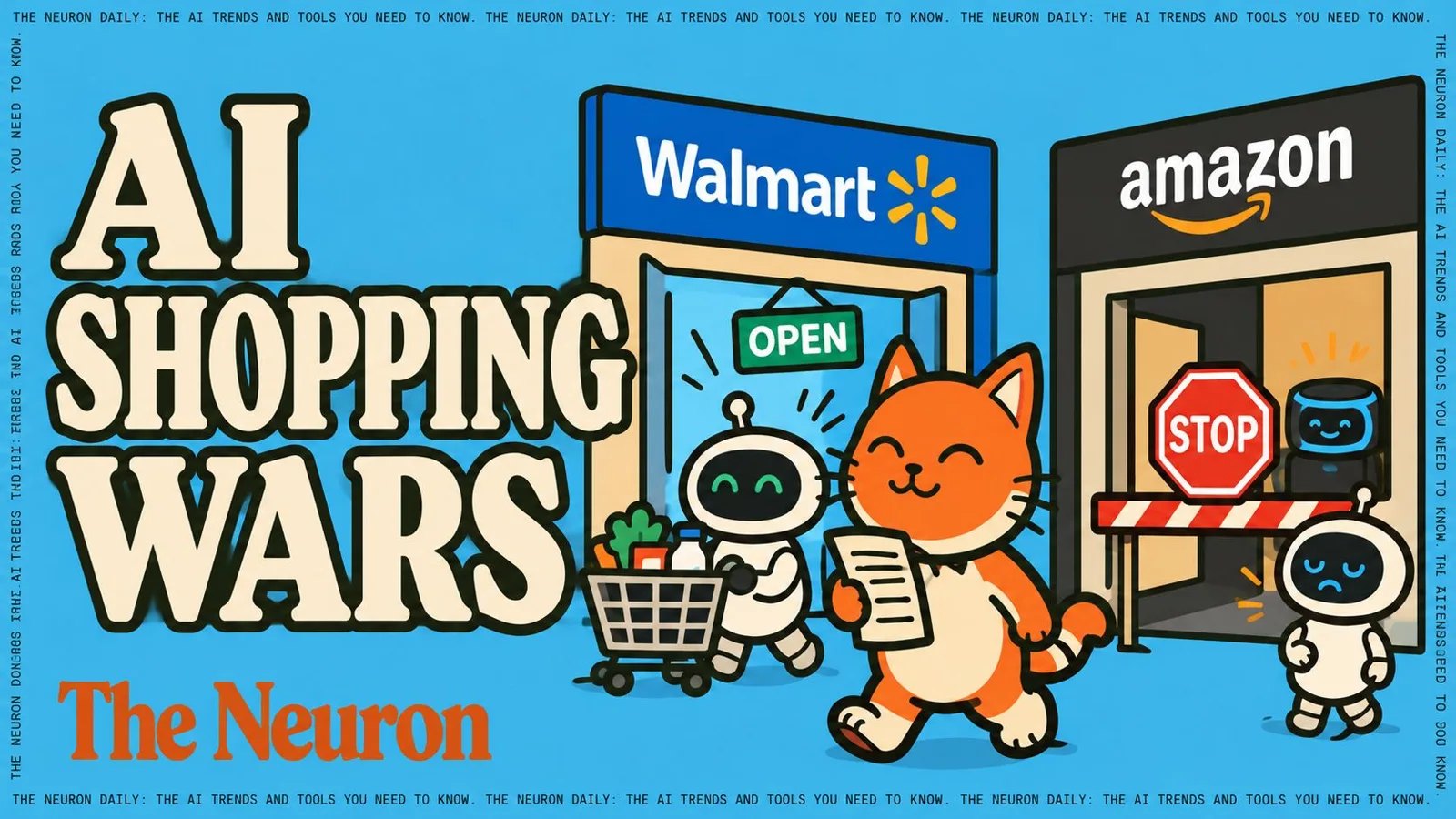
You are ready to let AI do your shopping. Now the stores want a say in which AI gets your money. The Neuron reports that Walmart is making room for external shopping agents, with separate profiles, purchase records, and spending limits for each agent.
Amazon is taking the opposite approach. It has pushed back against third party agents while promoting its own shopping assistant, Alexa for Shopping. The outside shoppers in this fight include the Muse assistant from Meta and Claude Duet from Anthropic, which can make purchases without your approval.
What an agent allowance looks like
Walmart Agent Profiles are due to launch within the next month, and the design reads like a set of house rules for a robot guest. You can make the agent ask before every purchase, or give it a spending limit so it can handle the small stuff on its own.
Even under budget, the agent may still need your approval, because Walmart can require another confirmation. The agent buys without you handing over your card details, it cannot change your payment methods, and you can delete its profile whenever you want.
Why banks are nervous
There are real reasons to set those boundaries. Six banks, including Bank of America and NatWest, warned last month that shopping agents might enter card details directly into websites or steer customers toward payment methods with weaker protections.
Customers could also be left unsure who to turn to if something goes wrong. If an agent buys the wrong thing, books the wrong date, or pays the wrong seller, the question of who carries the loss is still unsettled. A spending limit is not just a convenience feature. It is a limit on the damage a confident mistake can do.
The messy middle already exists
Perplexity and its Comet browser show where this gets messy. Amazon asked Comet to stop offering Amazon shopping, citing problems with the shopping experience and customer service. One company wants its storefront browsed by any agent. The other wants the shopping done by its own.
Buying through an outside assistant is already possible in some places. The Instacart integration inside ChatGPT turns a recipe request into a grocery cart you can edit and pay for inside the conversation. The pattern is clear even while the rules are not: the chat is becoming a checkout.
What sellers should prepare
If you sell anything online, your next customer may arrive as software working for a human. That agent will not admire your branding first. It will compare your price, your delivery terms, your return policy, and whether your product details are clear enough to act on without asking a person.
- Keep prices, stock, and delivery terms accurate and easy for software to read
- Write product details that answer sizing, timing, and policy questions in plain words
- Decide now what an agent may buy from you without a human check, and cap the amount
- Keep a human approval step for anything custom, dated, or hard to undo
Your agent works for you, if you set the leash
Walmart is opening the door with an allowance and a paper trail. Amazon would rather keep you with its own assistant. Either way, the winning setup is the same for shoppers and sellers alike: clear limits, clear records, and a human who can step in. An agent with no limits is not help. It is a spending habit you did not choose.
Sources and further reading
Sources were checked for this article. Tool features, prices and availability can change. Product claims are attributed to their publishers.