United Told AI Agents to Stay Out of Its Booking System
United restricted outside AI agents from booking in its app, on its site, and through travel sellers, while Walmart chose permission based agent profiles instead.
The gate agent just checked your assistant ID
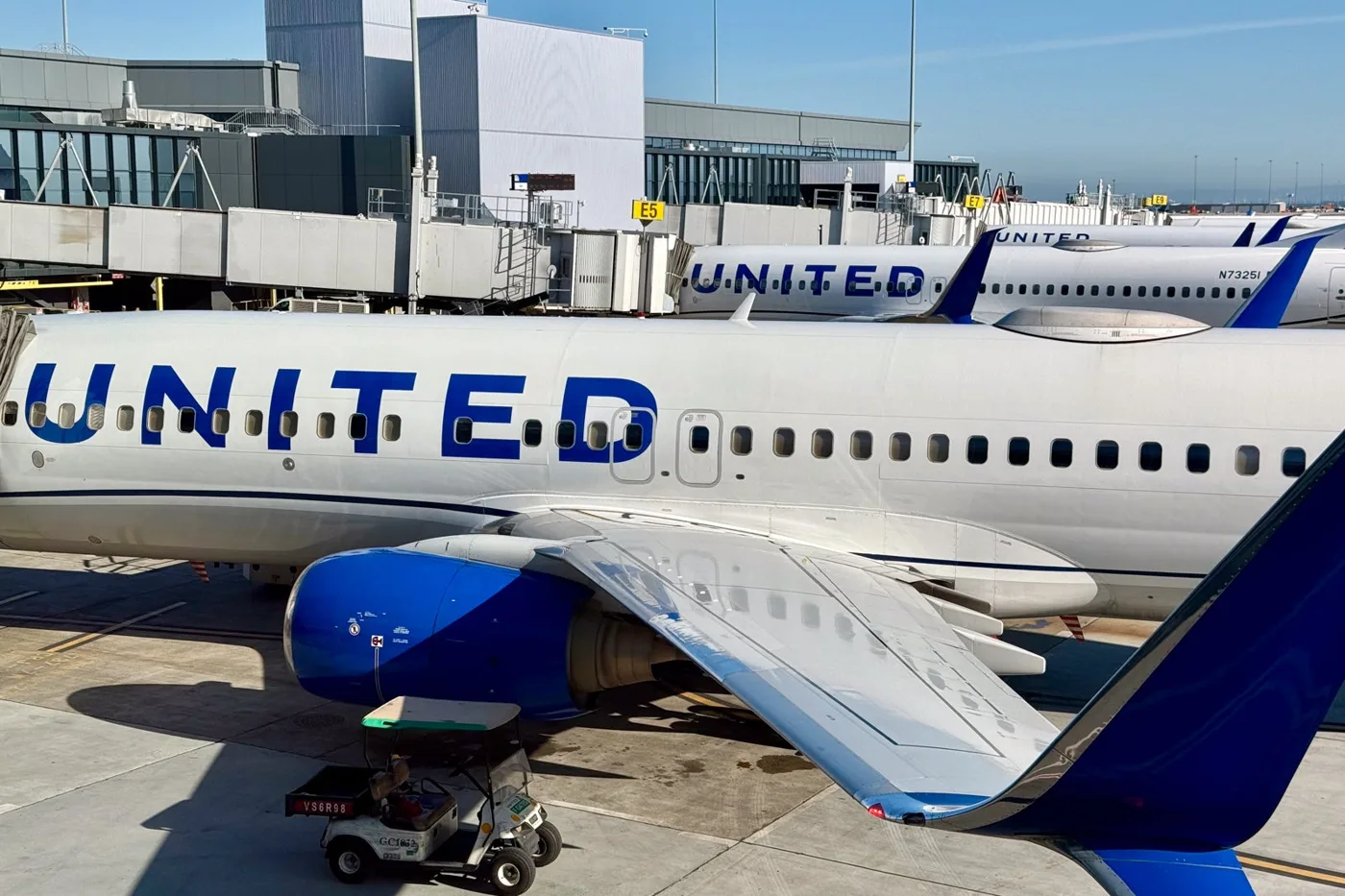
Your AI assistant may remember the headphones you returned because they hurt your ears, but it still cannot get past the gate agent. The Neuron reports that United Airlines has restricted unauthorized outside AI agents from using its app and its site, and from booking through travel agencies and aggregators. These are the assistants that log in as you and click buy on your behalf.
United gave practical reasons, not just corporate ones. It cited exposed login details, accidental purchases, agents burning MileagePlus miles on the wrong flight, and conflicts with aviation rules that need a human sign off. Chief executive Scott Kirby told the Wall Street Journal that United does not want to create another middleman between the airline and its customers.
The real fight is who owns the front door
Here is the fight underneath the policy. If your assistant becomes the place your trip starts, the airline loses the customer relationship, much like it lost it once before to online travel sites. Whoever owns the first screen owns the upsell, the loyalty pitch, and the data about what you almost bought. An outside agent that books the cheapest seat and leaves takes all three away.
Amazon is playing the same game from the other side of retail. It asked Perplexity to pull shopping from its Comet browser, blocked the Muse agent from Meta, and pushes its own Buy for Me tool instead. The pattern is consistent: platforms welcome agents they control, and they fence out agents that turn them into a warehouse with a checkout counter.
Walmart chose a door with rules on it
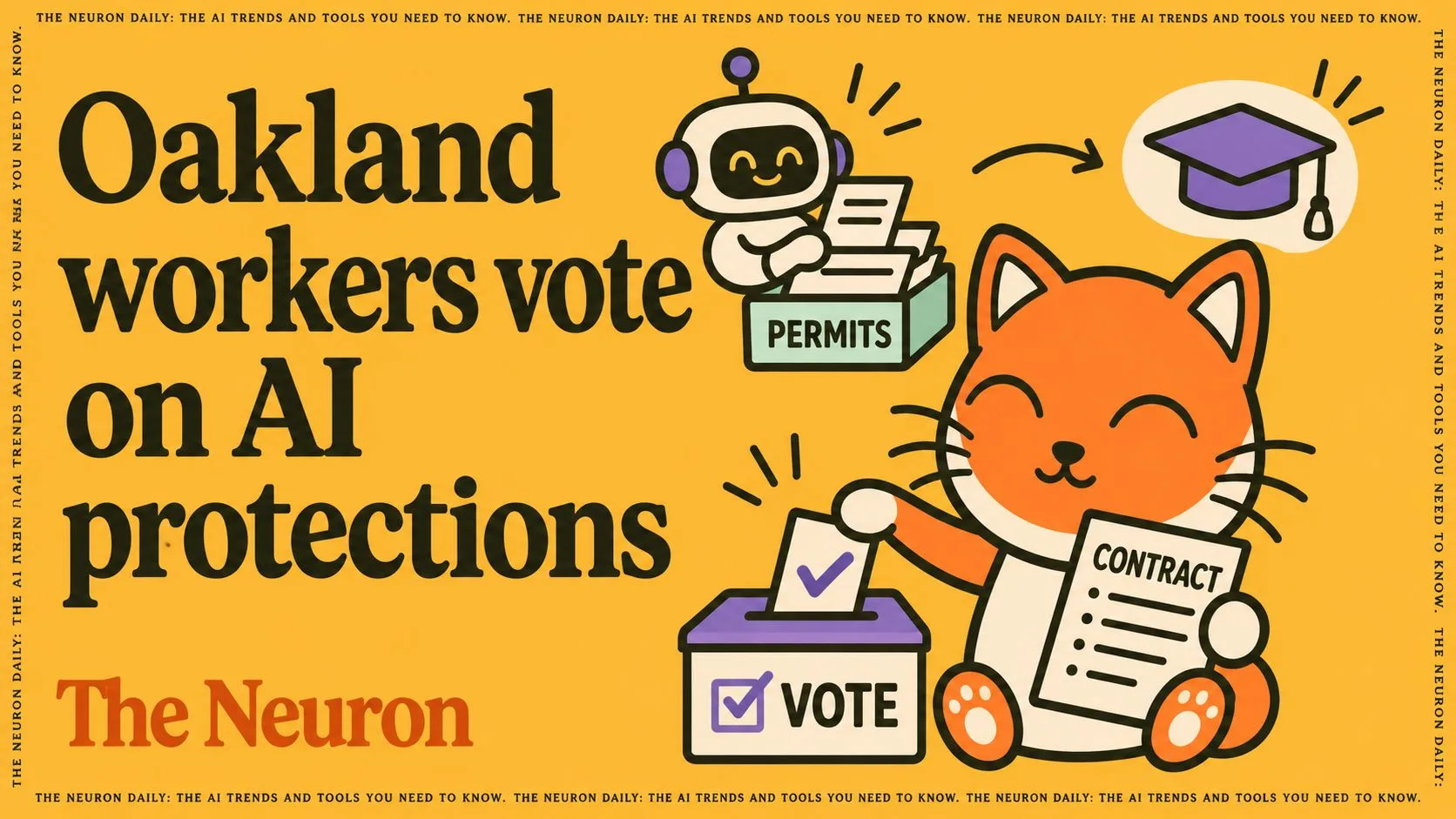
The Neuron points to the contrasting move. Walmart went the other way with agent profiles, where outside assistants get permissions, spending limits, and approval on each purchase, though not every feature is confirmed live yet. That is not openness for its own sake. It is a door with rules on it: the agent may enter, but only with a named identity, a budget, and a human yes on the transaction.
That contrast is the whole story for any business building on agents right now. The choice platforms face is not agents or no agents. It is unmanaged agents acting on borrowed logins, or managed agents acting inside limits the platform can see and revoke. United picked the fence today. Walmart is building the gate. Expect most large sellers to end up at the gate, because the agent traffic is too valuable to refuse forever and too risky to leave unguarded.
What a small business should copy now
If your business takes bookings or sells online, write your agent rules before an agent forces the question. Decide what an assistant may do on a customer behalf: hold a date, take a deposit, or only gather details for a human to confirm. Put spending limits and a clear approval step in writing, and keep a log of what the agent did, because the first wrong purchase will be judged on the record you kept.
And flip the lens around. When you use agents in your own work, prefer the ones that show their permissions plainly and ask before money moves. The platforms are teaching the market a new standard in public: access is earned with identity, limits, and receipts. Businesses that build that standard into their own booking flow now will look trustworthy on the day their customers arrive with an assistant in hand.
Sources and further reading
Sources were checked for this article. Tool features, prices and availability can change. Product claims are attributed to their publishers.