Talently Crossed 2 Million Dollars Starting From a Gmail Account and No Website
Daniel Seligman landed his first three recruiting clients before Talently had a website, then narrowed the whole company to one country. The Hustle Blower breaks down the money and the referral timing worth stealing.
Three paying clients before the website existed
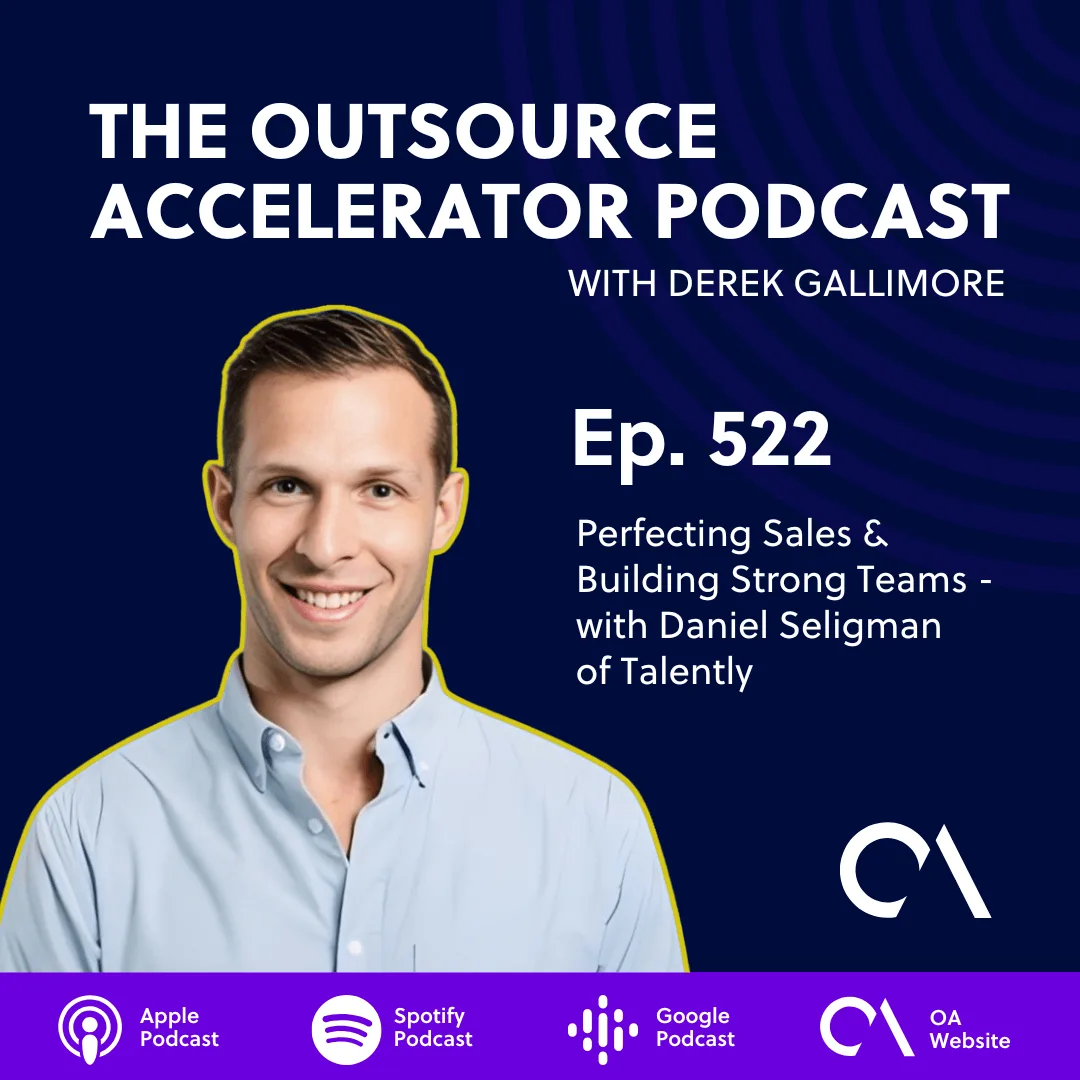
Talently helps companies in the United States, Canada, and Britain hire skilled professionals from South Africa. The company reportedly passed 2 million dollars in revenue in its first two years, now brings in more than 100,000 dollars a month at net margins around 40 percent, and ran for roughly two years without a full time employee. It started with none of the usual furniture. No app, no venture money, no new technology, and no website.
Founder Daniel Seligman launched in January 2024 and simply started talking to buyers: cold email from his personal Gmail account, LinkedIn messages, and introductions through his network. Within about six weeks he had his first three clients and a profitable business. Those first clients eventually left, and that was fine. They taught him what companies actually wanted and where his service needed work, which is information no branding exercise hands you.
A salesperson who had lived the problem
Seligman was not a recruiter. He spent about a decade in sales roles and rose to vice president of sales, where hiring was one of the most expensive frustrations in the building. His employer hired internationally, across Canada, Brazil, Spain, Romania, and the Philippines, and he kept hitting the same walls: communication gaps, poor skill matching, and time zones that barely overlapped.
That history was the real head start. He already knew why a company would pay for a better hiring process, because he had been the frustrated buyer. When he launched, he listed what he did not want: no investors, no large staff, no inventory, and no limit to one city. Recruiting fit the list, and his sales craft did the rest.
The narrowing that made it sellable
His first plan was broad: help North American companies hire from anywhere in the world. Broad turned out to mean recruiting teams across ten countries, ten labor markets, and ten sets of expectations. Then he noticed his South African placements were filling roles faster and staying longer. So Talently narrowed to one country and one clear promise.
The money now runs on two models. Direct recruiting charges a one time fee of 25 percent of the placed employee annual salary, so a hire at 36,000 dollars earns Talently 9,000 dollars. Managed staffing adds an 850 dollar monthly service fee for handling payroll, contracts, and human resources administration, with the salary itself separate. One model brings in large fees. The other builds recurring revenue and repeat relationships.
Ask for the referral at the moment of success
In a May 2026 interview, Seligman shared where the work comes from: referrals and repeat business at 60 percent, cold email and LinkedIn at 30 percent, and search, Reddit, and other channels at 10 percent. He still sends around 200 personalized LinkedIn requests a week. But the sharpest detail is when he asks. For a recruiter, the happiest moment is the day a great candidate accepts the offer. That is when he asks for the referral or the review, not three months later on a random Tuesday.
Translate that to creative work and it holds exactly. Ask when the client first sees the finished recap. Ask when the venue owner watches the room react. Ask when the artist hears their set played back clean. Build the request into the delivery itself:
- Name the moment of success in your process, and put the ask there, every time
- Start selling before the site, the logo, or the office looks finished
- Narrow to the buyer and the problem you serve best, and let the promise get specific
- Let early clients teach you the offer, even the ones who do not stay
Sources and further reading
Sources were checked for this article. Tool features, prices and availability can change. Product claims are attributed to their publishers.