
A Free Run Club Made 640,000 Dollars From What Happened After the Run
Owen Akhibi Herrera started Peak and Pace with 12 runners in New York and kept the Saturday runs free. The Hustle Blower reports the money came from ticketed parties and trips after the run, passing 640,000 dollars in revenue in 2025.
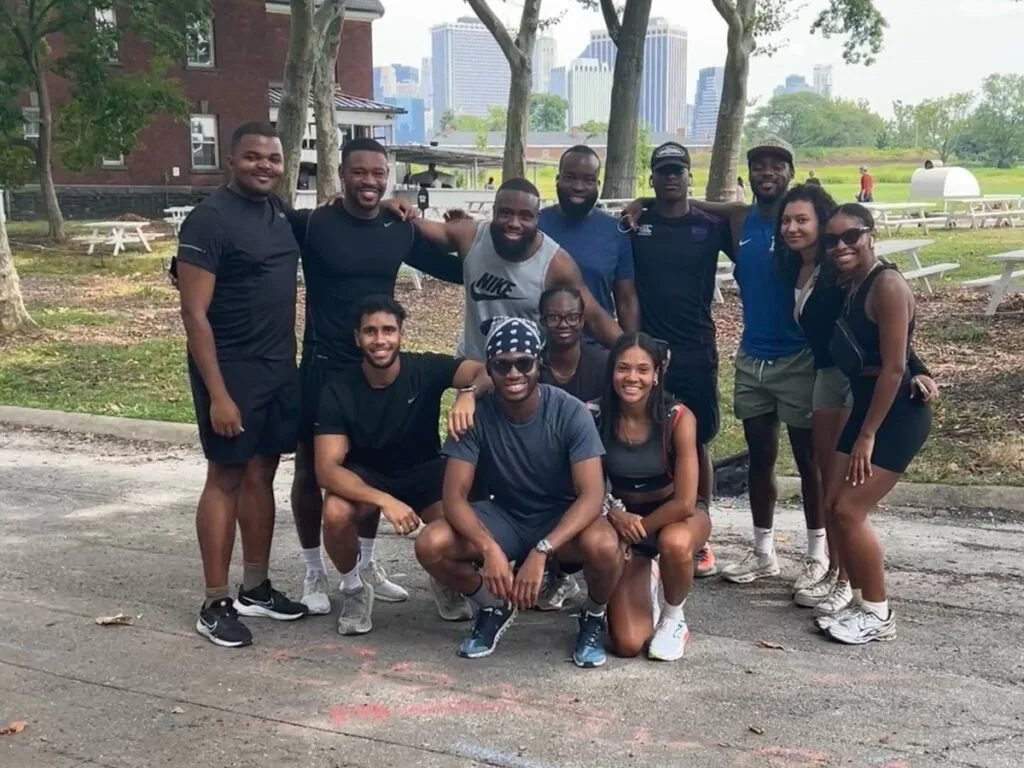
It began with 12 people looking for friends
In July 2024, Owen Akhibi Herrera was a London transplant living in New York and working in algorithmic trading sales at an investment bank. His problem was one money could not easily solve: making genuine friends as an adult is surprisingly difficult. So he organized a Saturday morning run, and 12 people showed up.
Owen kept going. He posted about the group on social media every day, encouraged people to bring friends, and made the experience welcoming enough that newcomers did not feel like they had wandered into Olympic training camp. By the fifth run, around 150 people were showing up. A dozen strangers had become a crowd big enough to fill a small nightclub, except they were wearing running shoes at 9 in the morning.
The money was never in the run
The clever part is what Owen did not do. He did not announce that Saturday runs would now cost money. He did not launch a premium membership or put the community behind a paywall. The activity that attracted everyone stayed completely free.
Instead, he tested what happened after the run. He organized a party at a Manhattan bar and charged roughly 20 dollars a ticket, and people bought tickets. Want to run? Come free. Want to party with the people you have been running with? Grab a ticket. Want a bigger adventure? There is a hiking trip or a ski trip for that. The Hustle Blower puts it plainly: he did not monetize the run, he monetized the relationships the run created.
The numbers, with the honest asterisk
By 2025, Peak and Pace had recorded more than 30,000 event attendances across its gatherings, counting repeat visitors, and financial documents reviewed by CNBC showed the business bringing in more than 640,000 dollars in revenue that year. Tickets to larger parties typically cost 15 to 25 dollars, while the weekly runs remained free.
Revenue is not profit, and this story keeps that front and center:
- Owen says Peak and Pace operates at around a 15 percent profit margin, roughly 96,000 dollars on that revenue
- He reinvests the profits into the company rather than paying himself a second salary
- A 150 person party at 20 dollars a ticket grosses 3,000 dollars before venue, DJ, security, staff, insurance, and fees
- Some individual events actually lose money
Then the ferry broke down
On September 5, 2025, Owen was preparing one of his biggest events yet: a 5K race and festival on Governors Island, just off Manhattan. Two thousand people had bought tickets, and his team had organized 18 trucks loaded with equipment that all needed to cross the water.
Then the ferry broke down. After hours of frantic phone calls, Owen arranged replacement transportation, and the final shipment, roughly 30 portable toilets, arrived just as guests were reaching the island. People see the packed events and smiling faces online. They do not see the founder wondering whether a festival is about to collapse because the bathrooms are stuck on the wrong side of the river.
What Florida event builders should steal
The model translates directly. Free and easy gets people in the door and gives them a reason to return every week. Paid and special is what they buy once they belong. A free photo walk, a free creator meetup, or a free community workout can do in Tampa or Orlando what a free run did in New York, if the paid experience waiting after it is genuinely worth having.
Start with getting 12 strangers into the same place, give them a reason to come back, and pay attention to what they want next. The most valuable thing you build might not be the thing you charge for. Just make sure you have a backup ferry.
Sources and further reading
Sources were checked for this article. Tool features, prices and availability can change. Product claims are attributed to their publishers.