Strangers Are Paying for Empty Wedding Seats and Couples Are Saying Yes
Not a Wedding Crasher matches couples who must pay for empty seats with screened guests who pay 25 to 200 dollars for the experience. Demand now beats supply.
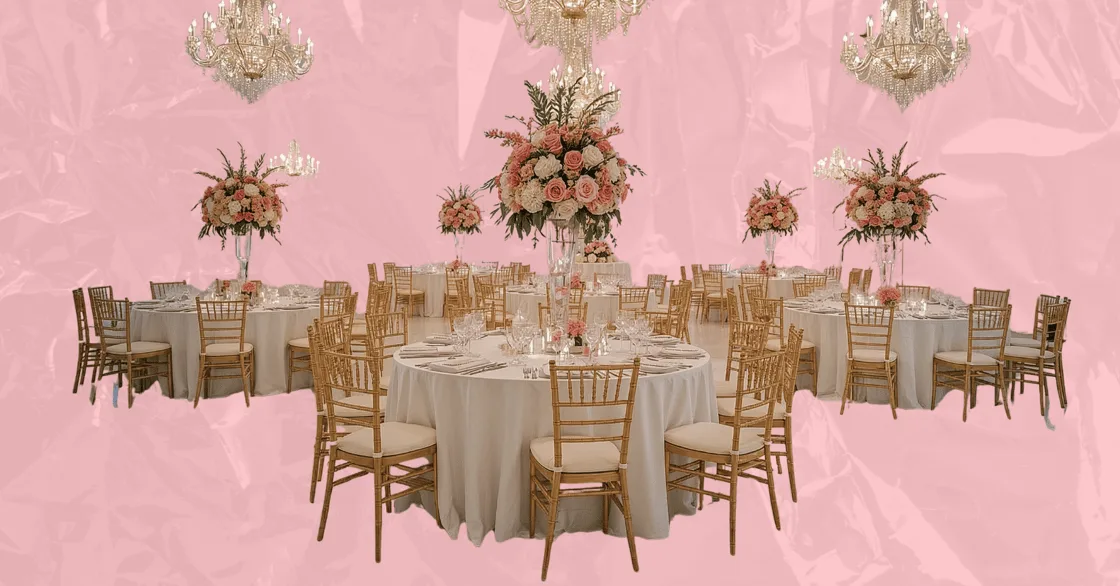
The empty seat was already paid for
The Hustle starts with a number every couple knows in their bones. Couples spend about 292 dollars per guest on average, and many venues require a minimum headcount, which means a couple can end up paying full price for seats nobody sits in. The guest list is not just a social puzzle. It is one of the biggest line items in the whole wedding budget.
Not a Wedding Crasher flips that loss into inventory. Co founder Jeff Besen describes it as a platform that connects couples holding extra seats with people who enjoy attending unique experiences. The stranger pays for a seat that was going to cost the couple money while sitting empty, and the couple gets a fuller room, better energy on the dance floor, and part of the bill covered.
A date night joke became a company in six months
Jeff and Karina Besen came up with the idea on a date night in fall 2025, when Jeff asked what if they got dressed up and went to a wedding, and Karina reminded him that weddings require an invitation. A little research found no similar business, so they polled family, friends, and random people on the street, then committed.
Within six months the couple hired a website developer, launched in March 2026, and attended a wedding in Los Angeles with a couple they had never met. Jeff says the business validated quickly, with couples signing up and strong guest interest from the start. Some couples, he notes, simply want more people in the room bringing energy to the celebration, which any event professional will recognize as a real product in itself.
Screening is what makes the strange idea safe
The numbers since launch show how much appetite was waiting. The Hustle reports about 20,000 users, mostly guests, about 50,000 social followers, and a guest video that hit about 5 million views per platform. The company has filled weddings with anywhere from one to 60 open seats, at prices from 25 to 200 dollars per seat, with an average around 50 to 60 dollars.
Trust is the machinery under the novelty. Guests are screened with ID checks through Stripe, and couples approve each guest before anyone gets an address. Jeff says the biggest hurdle now is supply, since demand for seats far exceeds the weddings listed, and the company is aiming for a wedding in all 50 states in year one, with interest already arriving from other countries and from private events beyond weddings.
The lesson for anyone who sells a room
Every event business has its own version of the empty seat: the unsold table, the quiet early hour, the package slot that goes unbooked on a weekday. This company proves that inventory you already paid for can become a product when you package it honestly, price it simply, and screen for fit instead of apologizing for it.
It also proves that energy is a deliverable. Guests are not only buying dinner. They are buying a night out, a story, and a room full of people celebrating, and couples are buying a livelier party. If you run events, ask what your empty capacity is really worth to the right stranger, then build the trust steps that make saying yes feel safe. The seat was already there. Someone just finally sold it.
See what is on the Event Radar
Sources and further reading
Sources were checked for this article. Tool features, prices and availability can change. Product claims are attributed to their publishers.