Romance Bookstores Are Booming and BookTok Built the Audience
More than 230 romance only bookstores opened in the United States in three years, and about 335 opened worldwide. The Hustle reports print romance sales hit 51 million units last year, up 24 percent, with BookTok as the engine.
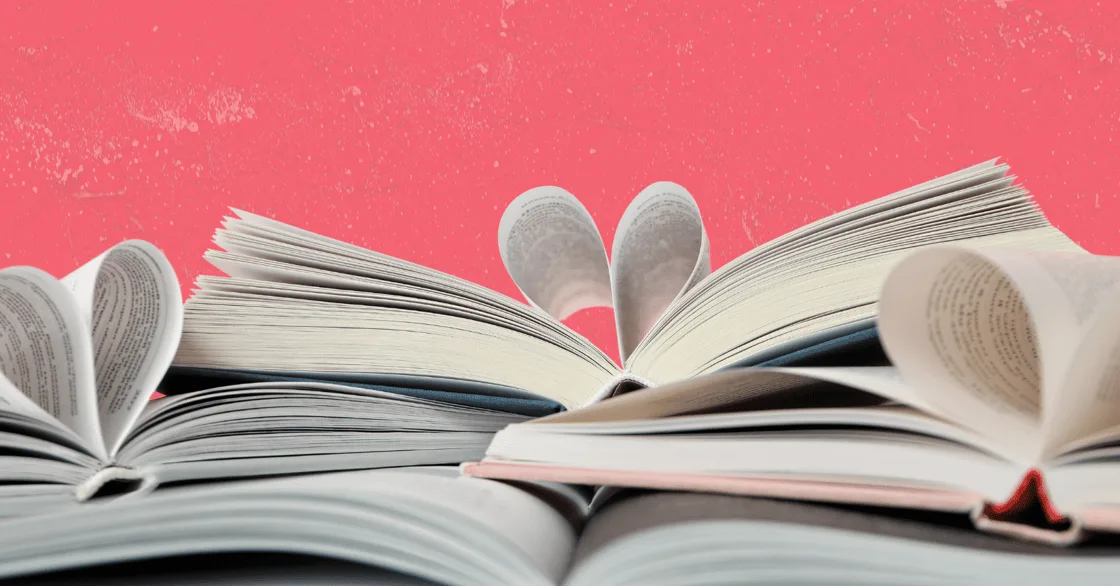
A genre once hidden in beach totes now has its own stores
Romance novels used to live in the back corners of bookstores, in worn copies readers carried quietly. The Hustle reports that the genre now supports dedicated shops with names like Knotty Novels and Kiss and Tale, and that the boom is growing across the United States and abroad.
The numbers behind it are not small. More than 230 romance bookstores opened in the past three years, including 50 this year, and about 335 opened worldwide, including shops in the United Kingdom and Canada. Many are women owned.
It started with one store and a Kickstarter
The Ripped Bodice, the first romance only bookstore in the United States, opened in 2016 after sisters Bea and Leah Koch raised about 90,000 dollars on Kickstarter. They have since opened a New York outpost, and their bet looks obvious in hindsight: serve one passionate audience completely instead of serving everyone a little.
That is the pattern the whole category followed. A dedicated shop can stock the subgenres a general store cannot justify, from romantasy and historical to sports themed and supernatural, and staff can recommend across all of them without judgment.
BookTok turned reading into a community again
The Hustle credits two forces: a rise in romance reading during the pandemic, and BookTok, the TikTok community that works as a virtual book club. There were 59 million print book sales tied to BookTok related content in 2024 alone.
The sales curve matches the community curve. Romance print sales more than doubled from 18 million units in 2020 to 39 million in 2023, the genre drove 1.44 billion dollars in revenue across 2022 and 2023, and sales hit 51 million units last year, a 24 percent year over year increase. In 2024 the genre helped push overall print book sales into the black.
The stores sell belonging, not just books
Romance bookstores typically offer a different experience than a general shop. Customers get a judgment free zone, recommendations across a diverse range of subgenres, and a room full of people who read what they read. Many shops double as community hubs, with book clubs, writing workshops, and craft nights.
That is why the format survives online competition that was supposed to kill it. A website can ship a book cheaper. It cannot host the club, the workshop, or the feeling of being among your people. The store is the community with a cash register, not the other way around.
What niche retailers and creators can copy
The romance boom is a case study in audience first retail, and the moves translate well beyond books:
- Pick one passionate audience and serve its full depth instead of stocking a shallow version of everything
- Build where the community already gathers online, and make the physical space the place that community meets in person
- Program the calendar, not just the shelves: clubs, workshops, and nights that give people a reason to return weekly
- Let the audience see itself in the shop, from the name on the door to the sections on the wall
Print is not dead, unfocused print is
For years the story was that online shopping and social media would finish independent bookstores. The Hustle notes the twist: those very forces drove this resurgence. Social media built the audience, and the audience wanted a physical home.
The lesson is not that every niche gets a bookstore. It is that a defined community with real enthusiasm will support a focused business built for it, and will often prefer it to a giant general store that treats its passion as a back corner.
Sources and further reading
- The Hustle: Love and print is not dead (October 22, 2026)
- The New School Free Press: The Ripped Bodice and writing romance (February 12, 2024)
Sources were checked for this article. Tool features, prices and availability can change. Product claims are attributed to their publishers.