One Song Written in a Few Hours Still Earns About a Million Dollars Every Halloween
Monster Mash was written in a few hours in 1962. Billboard estimated it could be making about 1 million dollars a year from streams, commercials, licensing, and film, and its royalties still pay the families of its writers.
Paying the rent for 36 years
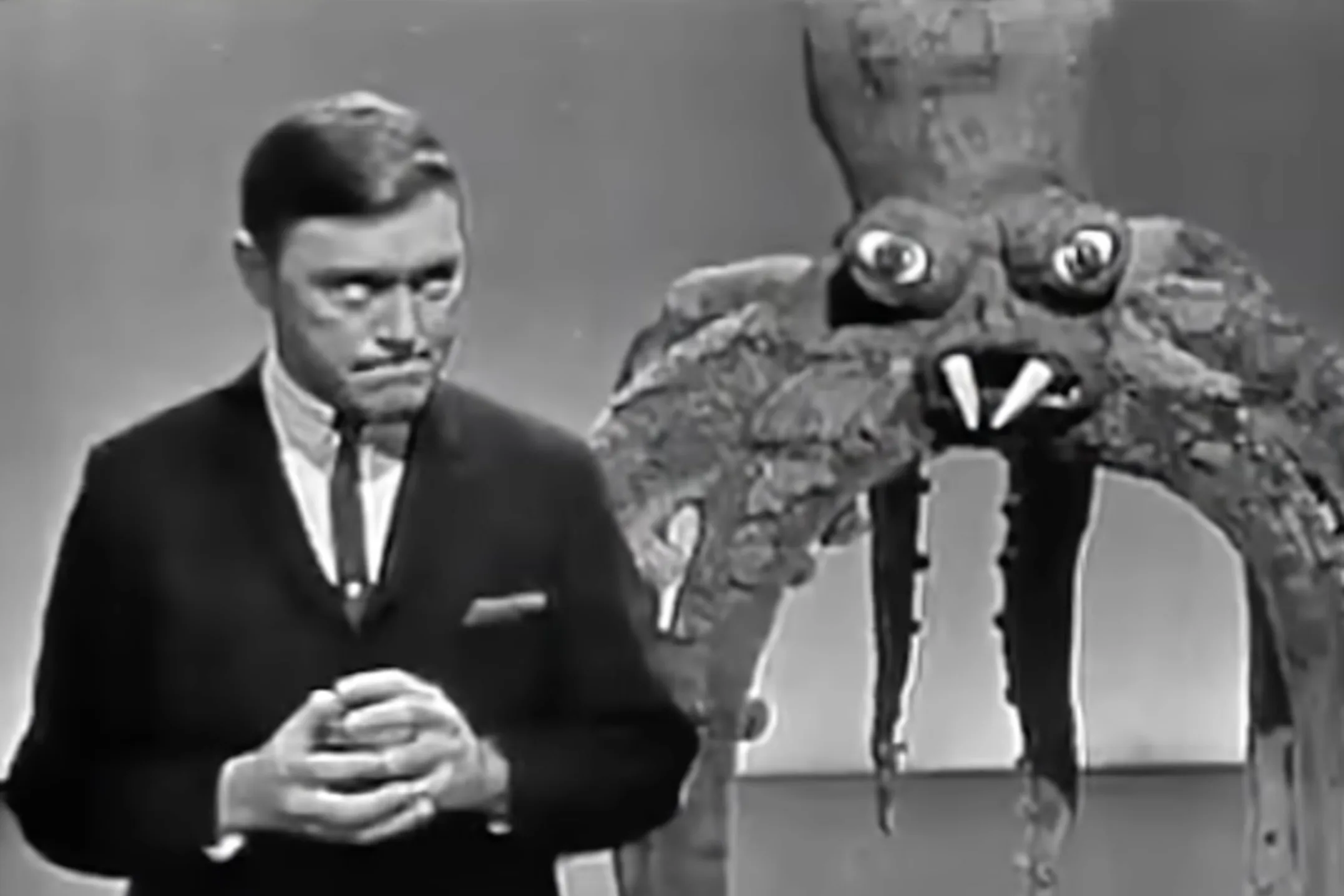
Bobby Boris Pickett, the performer Morning Brew calls the Mariah Carey of Halloween, told the Memphis Commercial Appeal in 1998 that he had been paying the rent for 36 years with this one song. Pickett died in 2007. The song did not.
Monster Mash was released in 1962, cowritten by Pickett and Leonard Capizzi, and it still brings in a steady revenue stream every October, more than sixty years after a few hours of writing produced it.
Where the money comes from
Between streams, commercials, licensing, and film usage, Monster Mash could be making 1 million dollars in annual revenue, Billboard estimated in 2023. That is an estimate, not an audited figure, but the sources of the money explain why it keeps arriving. Every Halloween, advertisers, filmmakers, and playlist editors all reach for the same small shelf of songs.
The song has been the oldest track atop the Halloween streaming charts in recent years, just behind Thriller from 1982 and ahead of Ghostbusters from 1984 and Spooky, Scary, Skeletons from 1996, per Billboard. A seasonal chart is a valuable place to own. The competition is fixed, the audience returns on schedule, and the song only has to win one month a year.
Royalties outlive the writer
Since Pickett and Capizzi have both died, their royalties have gone to their family members. Pickett grandson told Billboard what that inheritance sounds like: every single year of his entire life, he gets to hear his grandfather voice for a month.
That line explains why ownership matters more than a single payout. A flat fee ends when the check clears. A royalty share keeps arriving as long as the work keeps getting used, and it can pass to your family. The difference between those two deals is invisible on the day you sign. It is enormous by year thirty.
Why seasonal work compounds
Monster Mash is not just a song. It is a song attached to a date. Halloween returns every year with parties, playlists, commercials, and films, and each return sends the culture looking for the same soundtrack. Work tied to a recurring date gets rediscovered on schedule instead of by luck.
Creators make seasonal work all the time without treating it as an asset. A Halloween recap format, a holiday photo package, a graduation video template. If it is built to be reused and owned outright, the second year costs less than the first, and by the tenth year the cost is close to zero while the income continues.
Build one thing that returns
Most creative work is sold once and forgotten by the person who made it. Monster Mash is the opposite extreme, and the habits that made it pay for decades are available to any creator at a smaller scale:
- Make one piece of work tied to a date your audience celebrates every year
- Keep your ownership and your credits in writing before the work goes out
- Save the project files so the next edition is an update, not a rebuild
- Track where the work gets reused, because licensing income hides in reuse
Own what you make
You cannot plan a classic, and nobody should promise you one. You can plan to own what you make, to build a few things designed to return each year, and to keep the paperwork that proves the work is yours. A few hours of writing paid Pickett rent for 36 years. Ownership is what turned a novelty song into an inheritance.
Sources and further reading
Sources were checked for this article. Tool features, prices and availability can change. Product claims are attributed to their publishers.