
The NBA Is Putting Computer Chips Inside Basketballs
The NBA is working to put microchip sensors inside its basketballs as soon as next year. The smart ball weighs about a gram more, tracks movement and trajectory, and could settle who touched it last. It could also become a training product fans buy, and that is where the players start asking hard questions about their own data.
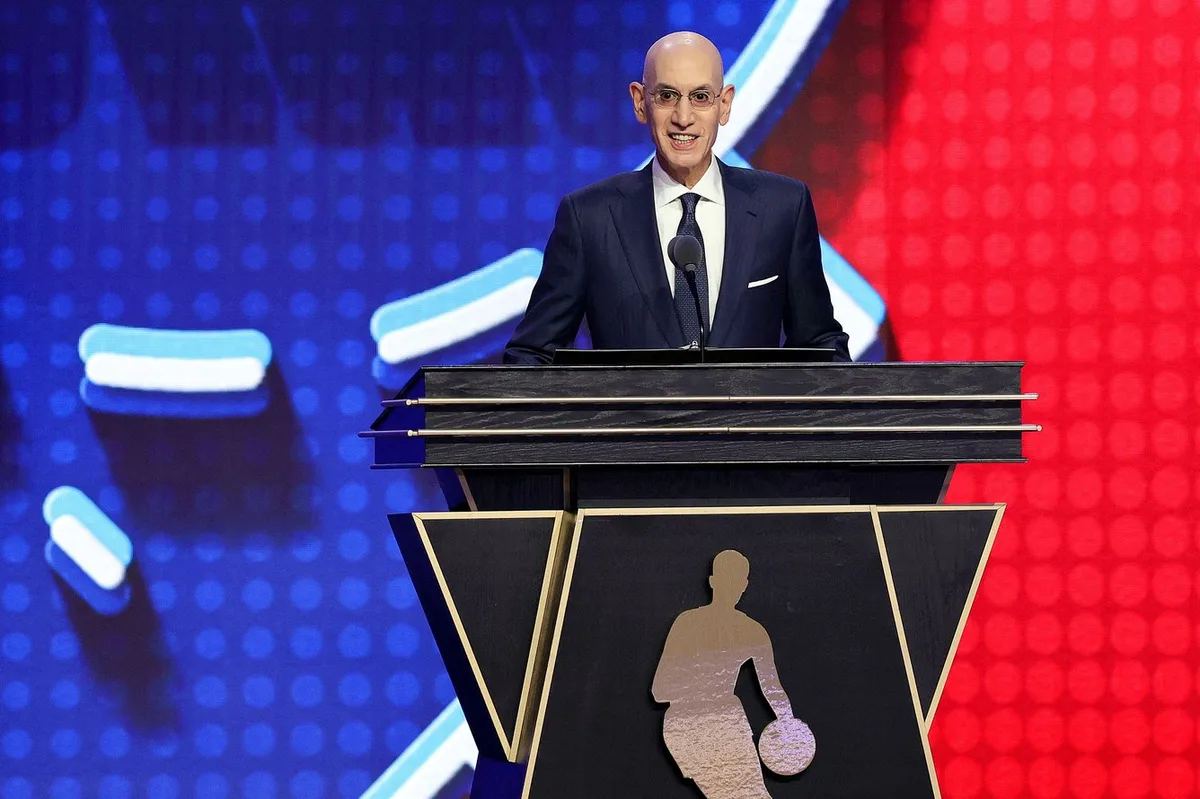
The ball is about to start reporting back
Commissioner Adam Silver told CNBC that the NBA is working to put microchip sensors into its basketballs as soon as next year, according to Morning Brew. The chips weigh about 1 gram each, light enough that the league has already run them through developmental, summer, and preseason games without players noticing a difference.
A ball that senses its own movement and changes in trajectory gives officials something they have never had: evidence. The clearest early use is the oldest argument in basketball, who touched it last before it went out of bounds. Instead of three camera angles and a guess, the ball itself can testify.
What the chip actually does
Silver is not only selling accuracy for officials. He thinks the smart ball can become a product regular players buy to study their own game.
- Each chip weighs roughly 1 gram and has been tested in developmental, summer, and preseason games
- Players reportedly could not tell the difference between a chipped ball and a regular one
- The sensors track movement and trajectory, which can help officials rule on last touch calls
- Silver sees a consumer version that lets players break down their own shooting mechanics and on court habits
- Soccer leagues are testing chipped balls as well, and the NFL has used RFID tags in footballs for years to measure speed and rotation
The data question follows the ball everywhere
The NBA has been here before. During the pandemic bubble season, the league used Oura rings to track player health. More recently it has experimented with wrist wearables for officials talking to the replay center. Players, though, have raised a concern that will sound familiar to anyone whose job is measured for a living.
Silver himself named it: if a team can see a player slowing down, that information could surface in bargaining. Performance data is a gift when you control it and leverage when someone else does. The same chip that helps a young player rebuild a jump shot could follow a veteran into a contract negotiation.
Why this story is bigger than basketball
Every sport is becoming a data business that also plays games. The leagues get officiating help and new products to sell. Broadcasters get richer stories. The open question is ownership: who holds the numbers a body produces at work, and who gets to use them, and when. Expect that argument, not the chip, to decide how fast the smart ball actually arrives.
See what is on the Event Radar
Sources and further reading
Sources were checked for this article. Tool features, prices and availability can change. Product claims are attributed to their publishers.