
How Nashville Hot Chicken Went From a Local Legend to a Global Market
Nashville hot chicken started, by legend, as a revenge dish in the 1930s. The Hustle traces how a festival, a few chains, and a global taste for heat turned it into a market headed toward 16.1 billion dollars.
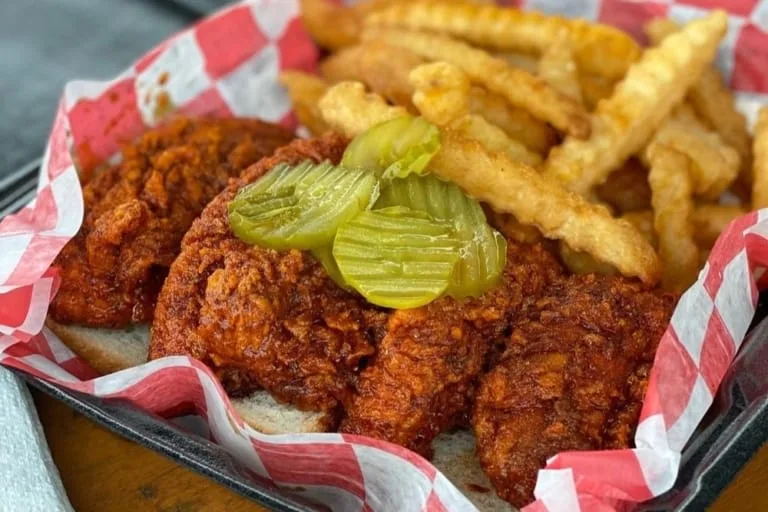
A revenge dish that backfired perfectly
Every strong food brand carries a story, and this one is better than most. By legend, in the 1930s a girlfriend of Thornton Prince tried to punish him by loading his fried chicken with a devilish amount of spice. He loved it. Prince opened a hot chicken shack with his brothers, and Princes Hot Chicken still serves the bright red bird today, in heat levels that run from plain to XXX hot.
For decades the dish stayed close to home, popular in Nashville Black communities and among musicians around the Grand Ole Opry. It was a local treasure with a local audience, which is the stage every regional food passes through before someone builds it a bigger stage.
A festival turned a dish into a category
The turning point The Hustle points to is 2007, when the first annual Music City Hot Chicken Festival gave the dish a name, a date, and a crowd. A festival does marketing work a restaurant cannot do alone. It invites imitation, gives journalists a reason to visit, and tells every cook watching that this flavor belongs to a place and can travel.
Imitators arrived quickly. Hattie Bs and Daves Hot Chicken built chains on the style. Then the giants joined in, with KFC, Popeyes, and Chick fil A all fighting for spicy chicken customers. When the largest chains in the country copy a regional dish, the dish stops being a trend and becomes a category.
The global numbers
The Hustle, citing Marketplace reporting, puts the current scale in plain figures:
- About 2,400 restaurants worldwide now sell Nashville hot chicken
- Menu mentions rose 65 percent between 2018 and 2023
- Daves Hot Chicken has nearly 500 locations, up 58 percent from 2025, with 30 international sites and 300 more already sold
- The global hot chicken restaurant market was worth 7.8 billion dollars in 2024 and is expected to reach 16.1 billion by 2033
- Hangry Joes was the fastest growing chain of 2024, and Wingstop took that title in 2025
Why this matters far from Nashville
Two forces carry the dish. Demand for protein is rising and chicken is an affordable way to meet it, and researchers point to the pull of capsaicin itself, the heat compound in peppers, which people chase the way they chase a thrill. A product people physically feel is a product people talk about, photograph, and dare their friends to try. That is built in promotion.
Florida food and event people should read this as a playbook, not a food story. One signature item. A name tied to a place. A festival that stamps it as official. Heat levels that turn ordering into a game customers film. The restaurants that win the next decade of food attention will look less like menus and more like Princes: a single famous thing, a true story behind it, and a room full of people proving they were there.
Sources and further reading
- The Hustle: How Nashville hot chicken took over the world (October 15, 2026)
- Marketplace: Why Nashville hot chicken has global appeal (September 23, 2026)
Sources were checked for this article. Tool features, prices and availability can change. Product claims are attributed to their publishers.