She Built an Eight Figure Brand From Feeling Left Out at Parties
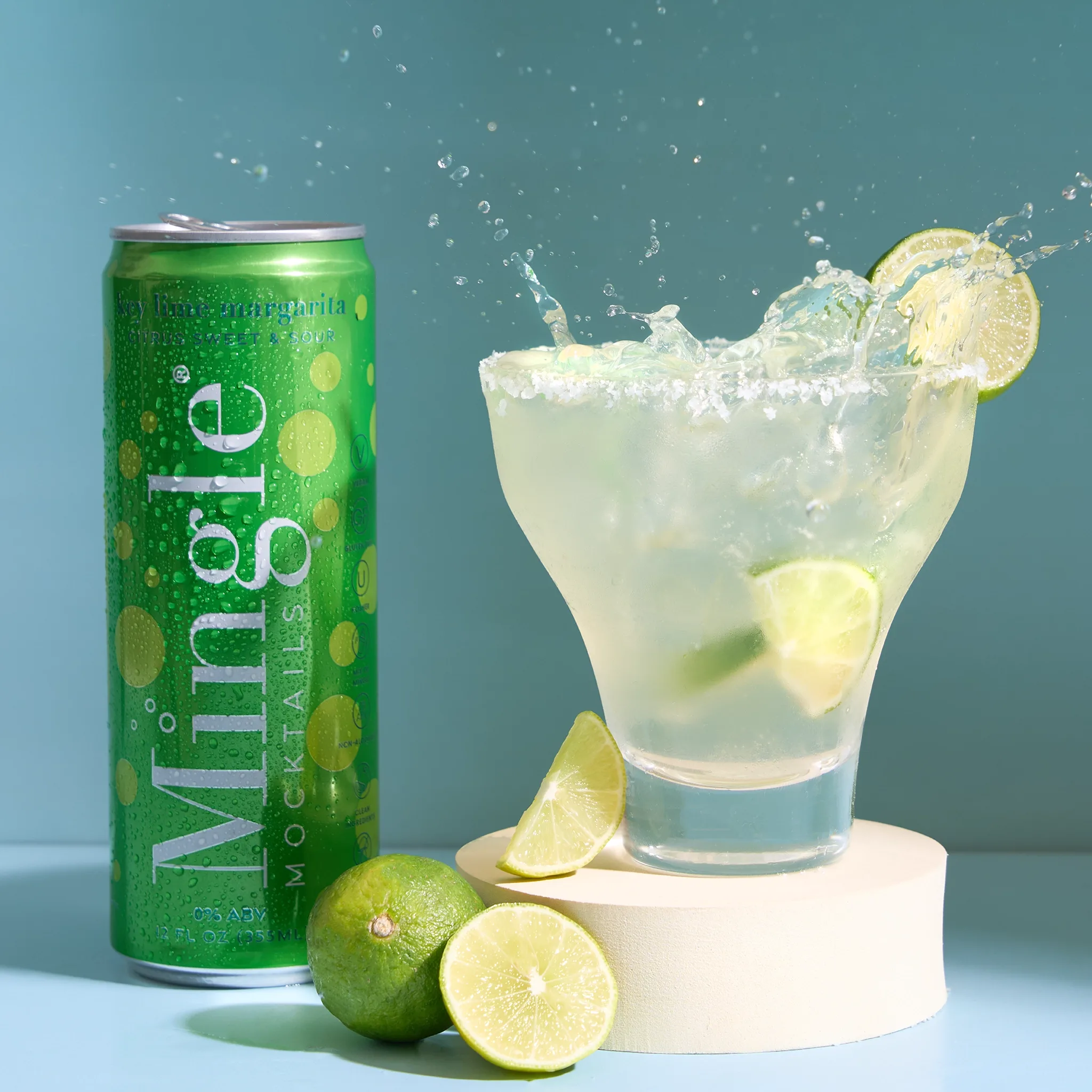
Laura Taylor stopped drinking alcohol but still wanted the party experience, so she made her own mocktail for a girls weekend. That drink became Mingle Mocktails, now sold in more than 15,000 stores.
The party problem nobody was solving
Let us rewind to 2016. Laura Taylor had stopped drinking alcohol, but she had not stopped wanting to enjoy parties, celebrations, and weekends with friends. Everyone else got fancy cocktails and the whole social experience that came with them. She got water, or soda, or another uninspiring alternative that made her feel like the designated driver at her own birthday party. It was not that she was particularly thirsty. She wanted to feel included.
So before a girls weekend in the Poconos, she made her own alcohol free cocktail. When she poured that homemade mocktail into a glass alongside her friends' cocktails, she finally felt like part of the celebration. That is when the opportunity clicked. She was not the only person who wanted to participate in the party without drinking alcohol. Within two weeks of returning home, she had incorporated a company, and Mingle Mocktails launched in 2017.
Research before the big spend
Taylor did not immediately order thousands of bottles and assume the world would fall in love with them. She contacted roughly 30 people in the beverage business: industry executives and experienced operators.
She even tracked down the founder of a mocktail company that had failed, because that person could tell her where things went wrong, what costs had been underestimated, what assumptions had turned out to be false, and what they would never do again. Eventually, Taylor invested approximately 125,000 dollars to get Mingle off the ground, including working with a small incubation firm. She researched the risks before committing the capital. Steal one question in particular: if you had to start this business again, what would you absolutely refuse to do?
A barcode mistake, fixed by hand
Eventually, Mingle landed in 100 Whole Foods stores, with three flavors. Then came the phone call. There was a problem with the Cucumber Melon Mojito bottles. They were scanning at checkout as Cranberry Cosmopolitan, because Taylor had accidentally used the wrong barcode.
Taylor had a warehouse full of mislabeled bottles. More than 5,000 needed correcting, so she bought barcode stickers and personally applied the correct barcode to thousands of bottles, one by one, over several days. Big opportunities do not protect you from small mistakes. Sometimes they make small mistakes much more expensive. The fix is a failure checklist before your next launch: what small mistake could create a disproportionately expensive problem, what are you assuming is correct simply because you checked it yourself, and what should another person independently verify?
Numbers, patience, and the first customer
Mingle did not become an eight figure brand overnight. According to Taylor, the company started generating sales around six months after launch, and it took approximately 18 months to establish consistent monthly revenue. During the twelve months after sales began, Mingle generated roughly 250,000 dollars in sales. Sales are not profit, though, and Taylor had already invested around 125,000 dollars to get started. In 2019, she finally left her corporate sales job to focus on Mingle full time.
Fast forward to October 2026, and Taylor now describes Mingle as an eight figure brand, with national distribution across more than 15,000 retail locations and over 500 bars and restaurants. She also says Mingle is the leading nonalcoholic ready to drink cocktail brand in the United States, though those leadership claims are Taylor's, and the interview did not disclose an exact annual revenue or profit figure. So do not make your first goal to look like a successful company. Make your first goal to prove that someone wants what you are offering. The real proof comes from customers buying, using, and returning for more.
Sources and further reading
Sources were checked for this article. Tool features, prices and availability can change. Product claims are attributed to their publishers.