She Turned 300 Dollars Into a 21 Million Dollar Fragrance Brand
Maekaeda Gibbons started Brown Sugar Babe with about 300 dollars left after bills, selling fragrance oils instead of perfume. Seven years later the company reported 21 million dollars in gross revenue for 2025.
A kitchen experiment with a wallet test
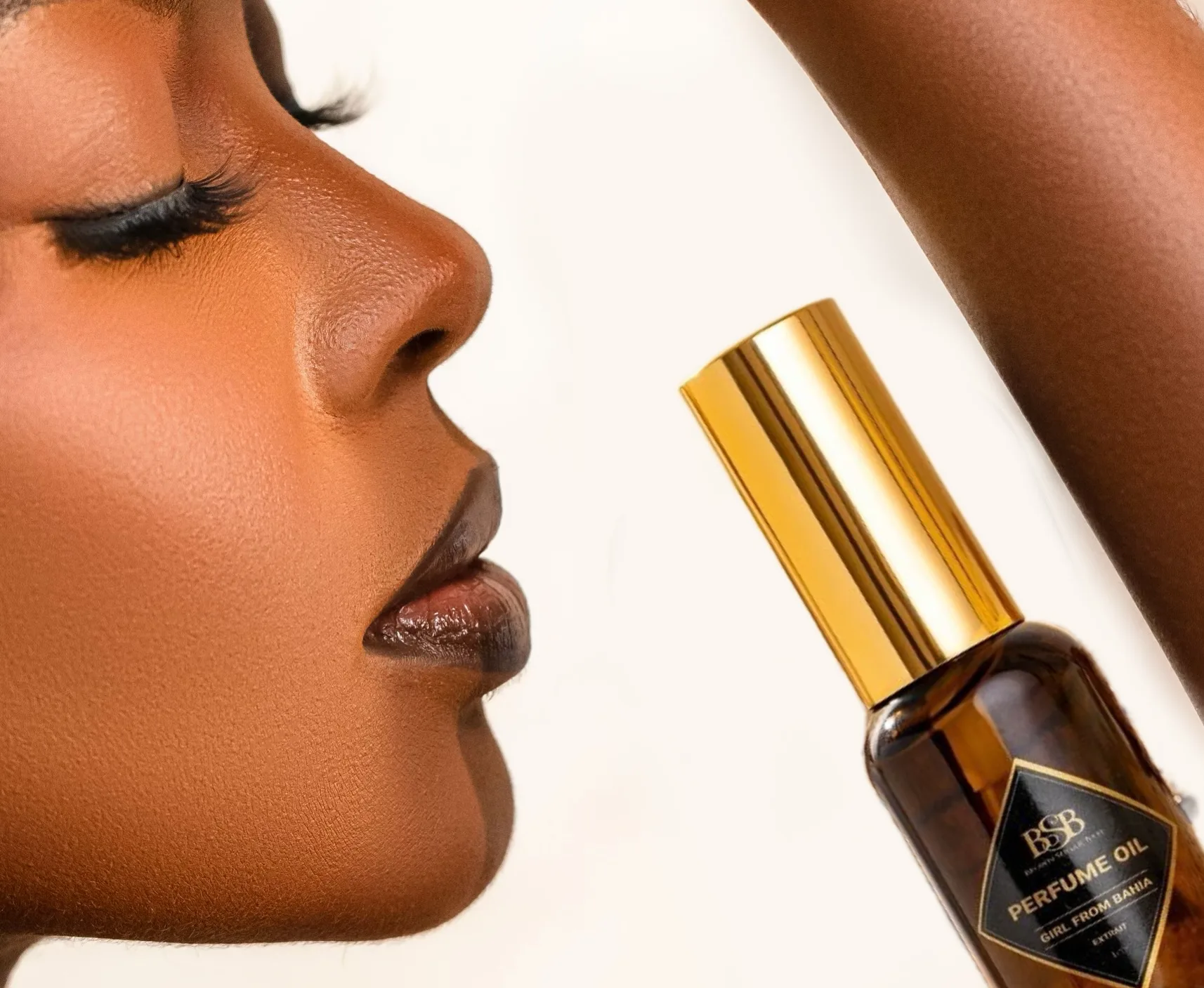
Back in 2018, Maekaeda Gibbons was working as a loan officer at Bank of America, trying to figure out why smelling expensive required actually being expensive. She liked luxury fragrances, and her bank salary did not particularly enjoy that preference, so she started experimenting with fragrance oils instead.
She had about 300 dollars left after paying her bills. She spent roughly 54 dollars on bottles, then used the rest to buy carrier oils and other materials. She wanted to smell good without bankrupting herself. Then people started asking whether they could buy them. Not just complimenting the smell, and not saying you should totally start a business someday. Actually asking to purchase the product. Compliments are nice. Purchase requests are evidence.
The format choice that set her apart
Imagine you are starting a fragrance company. The obvious product is perfume: a beautiful bottle, a little spray nozzle, a fancy name. Gibbons went in a different direction. She chose fragrance oils, oil based products applied directly to the skin, and Brown Sugar Babe developed a brand around scent layering, body oils, and fragrance oils.
The traditional perfume market is filled with giant companies, celebrity brands, luxury houses, and enormous advertising budgets. Gibbons built around a format her customers already enjoyed but that she believed was underserved, and she has explicitly resisted expanding into conventional alcohol based eau de parfum, even as the business grew. The oil format was not merely a cheaper substitute. It became part of the brand's reason to exist.
Customers shaped the line, cash shaped the risk
Gibbons also stopped assuming every product idea should come from her. Brown Sugar Babe developed a habit of surveying its community about potential products and paying attention to what people were asking for. The stronger questions are about behavior, though: what fragrance did you buy most recently, what did you pay, what did you dislike, and which product did you actually finish and repurchase.
Then came the big bet. According to her 2026 interview, she arranged purchases totaling approximately 5.5 million dollars over three months to secure roughly two years worth of inventory and ingredients, for a self funded company. She described the process as stressful. The lesson is not to buy two years of inventory. It is that the timing of cash flows can become just as important as the number of sales. You can grow revenue and still run out of money, because inventory is an asset, not cash in your bank account.
A store you can smell, after demand existed
In 2025, Brown Sugar Babe opened a flagship location in Atlanta, an investment totaling approximately 1.2 million dollars, including construction, branding, and its opening event. Fragrance is an unusual product. You cannot smell an Instagram post, and a beautiful product video cannot tell customers whether they will actually enjoy wearing the scent.
Physical retail provides something an online storefront cannot fully reproduce: discovery through experience. But a 1.2 million dollar store does not automatically make a company more profitable. Brown Sugar Babe had already built significant demand before making that investment. The smaller lesson is much better: if customers need to experience your product before they buy, find an inexpensive way to let them experience it, through a sampling event, a retail partnership, or a modest pop up. You do not need to own the building to test the experience.
Sources and further reading
Sources were checked for this article. Tool features, prices and availability can change. Product claims are attributed to their publishers.