The Day Microsoft Stood Still Cost the World Billions
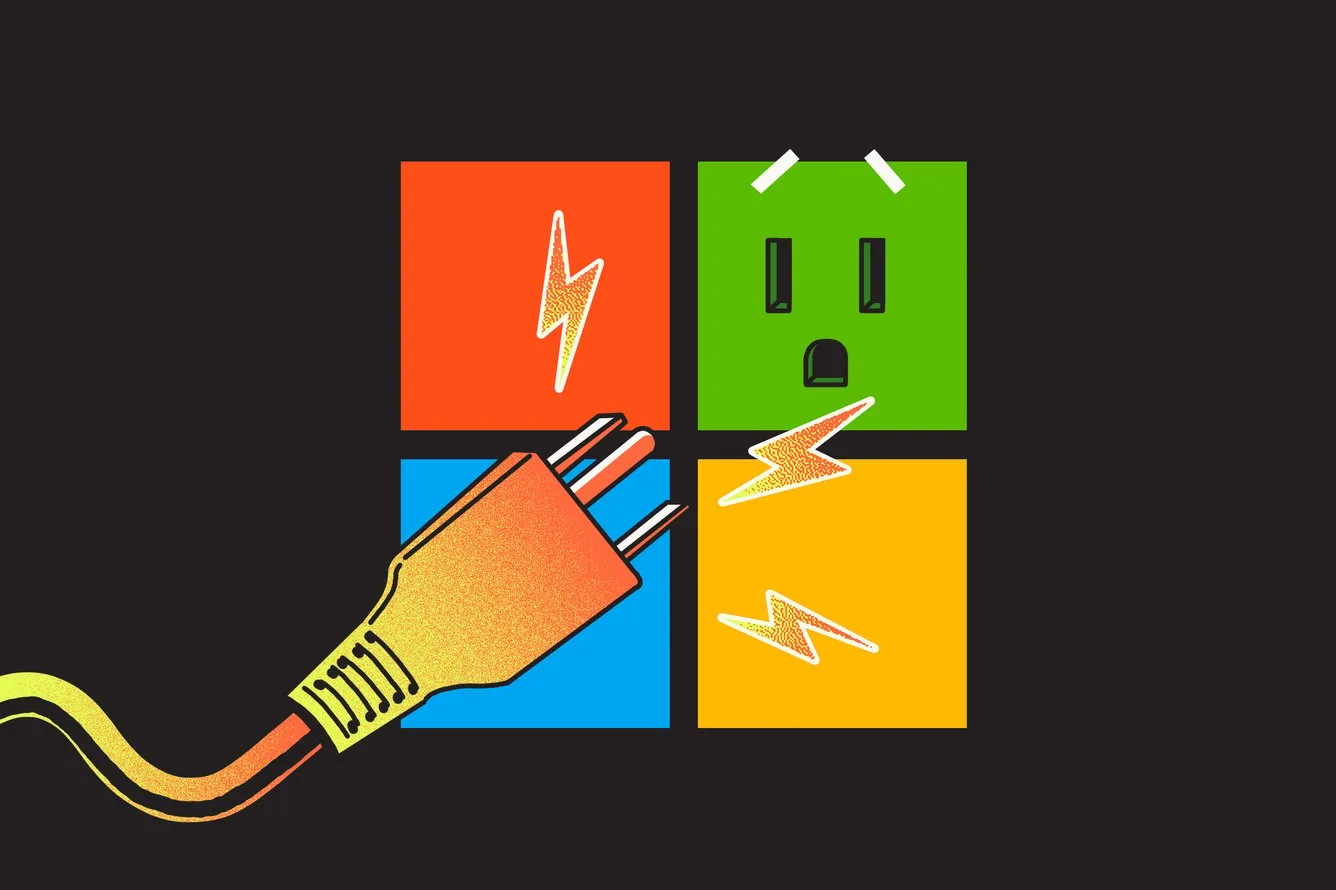
A Microsoft outage hit Outlook, Teams, and Copilot in more than 70 countries, with one estimate putting lost productivity at 7 billion dollars or more.
Email, meetings, and AI went dark together
Outlook, Teams, and other Microsoft services slowly began returning to normal yesterday after a massive outage on Thursday disrupted business as usual around the world. Morning Brew reports the outage hit Microsoft Outlook, Teams, Copilot, cloud, and security software users in more than 70 countries and territories, according to the outage tracker Downdetector. For some workers it played out like a syllabus day. Others resorted to fax machines.
Government offices, public transit networks, retailers, banks, and countless companies were affected. All in all, the outage could cost at least 7 billion dollars in lost productivity from tens of millions of Microsoft users, according to a Michigan think tank. Read that number slowly. One company had a bad day, and the estimated damage has twelve figures of company behind it.
A technical issue, with an apology attached
Microsoft said on X that it was deeply sorry, noted encouraging recovery progress, and warned that intermittent issues might continue. On the cause, the company said this was a technical issue unrelated to AI, with no indication that it was the result of malicious or cyber activity. It referenced an elevated load and said it will share more information as it reviews the incident.
That limited explanation is part of the story. When your email, your meetings, your files, and your AI assistant all live inside one account, a vague status note is all you get while your workday drains away. You cannot call the engineer. You cannot see the repair. You refresh, you wait, and you explain to your own clients why the link, the deck, and the invoice are all late at the same time.
One vendor is a single point of failure
Morning Brew zooms out to the structural point: the modern economy runs on a small set of hyperscalers, and one company having technical difficulties can mess with an entire planet of daily operations. Similar concerns arose when Cloudflare and Amazon Web Services crashed huge swaths of the internet last year. Thursday was the same movie with a different logo, and it will play again with another one.
Small teams feel this harder than big ones. A large company has an IT department and a backup tenant and a war room. A creator business has one laptop and a shoot at noon. If your call sheet, your client list, your delivery links, and your calendar all sit behind one sign in, then one outage does not slow your business down. It switches it off, politely, with a loading spinner.
The backup stack takes one afternoon
The fix is boring, cheap, and best done before you need it. Keep an offline copy of every active call sheet, shot list, and client contact list on the machine you actually carry. Keep a second way to reach every client that does not depend on the same account, even if it is just phone numbers in your phone. Export your calendar and your key files somewhere outside the main account once a month, and know which of your tools still work with no cloud at all.
None of this makes you outage proof. It makes you outage tolerant, which is the realistic goal. The teams that kept moving on Thursday were not the ones with the biggest software bill. They were the ones who could still find the address, reach the client, and open the file while everyone else watched a status page. Build that small layer of independence now, while standing still is still a choice.
Sources and further reading
Sources were checked for this article. Tool features, prices and availability can change. Product claims are attributed to their publishers.