The Great Pumpkin Farm Made 2 Million Dollars in Seven Weeks by Selling an Experience
Kelly Schultz bought an 85 acre farm in Clarence, New York, with no farming experience and turned it into a fall destination drawing more than 100,000 visitors. The pumpkins are not the product. The afternoon is.
A muddy lot started it
Kelly Schultz was not a farmer. He was a second generation antiques dealer who knew furniture better than crops. Visiting a pumpkin patch in the early 1990s, he found a muddy parking lot and an unimpressive setup. Customers kept showing up anyway.
That is the observation that built a business. People were enduring bad conditions for a pumpkin patch experience, so a better one should pull even more of them. In 1993, when an 85 acre cattle farm beside his antiques business went up for sale, he bought it for roughly 650,000 dollars. His friends thought he was out of his mind.
A 50,000 dollar pumpkin bought the publicity
Schultz spent a few years learning from local farmers, and the farm opened in 1996. Growing pumpkins was only half the challenge. He had to convince people to drive out, so he staged a story instead of an ad.
He organized a giant pumpkin weigh off and offered a 50,000 dollar prize for a pumpkin of at least 1,000 pounds, buying prize insurance in case someone won. A couple from Lowville, New York, arrived with a 1,061 pound pumpkin that set a world record. Newspapers covered the record and the farm. The weigh off became an annual attraction, and the heaviest entry in 2026 weighed 1,908.5 pounds. People ignore ads. They share stories.
He sells an afternoon
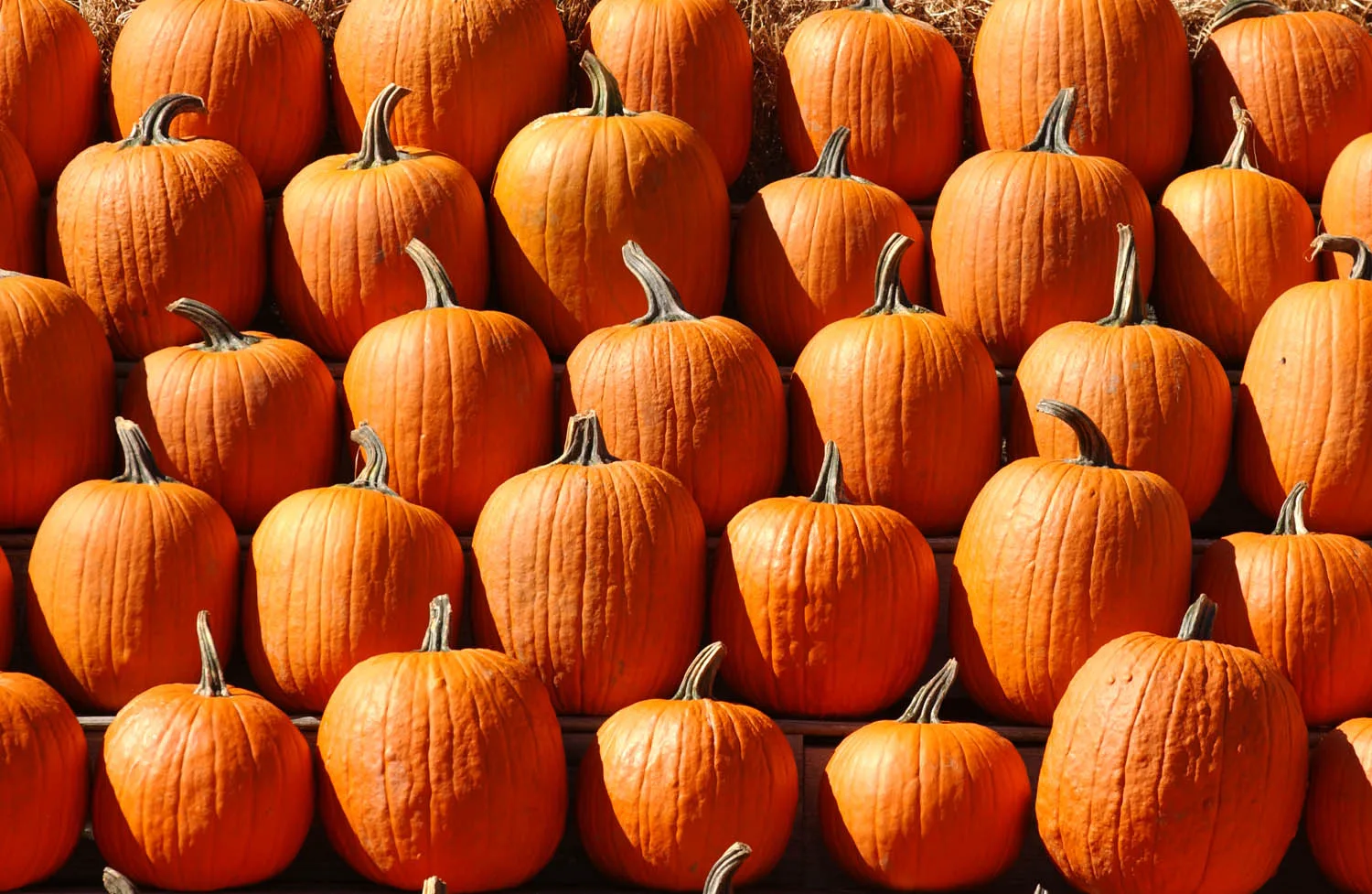
Here is the twist the name hides. Schultz does not grow most of the pumpkins himself anymore. He buys the majority from nearby farmers, stocking more than 25,000 pumpkins during the season. What he concentrates on is everything around them: hayrides, a corn maze, live entertainment, train rides, pie eating contests, food vendors, a bakery, and a bar.
Weekend admission costs 20 dollars and covers both days, with certain rides costing extra. Weekday admission is free, with visitors still spending on pumpkins and food. A family that arrives intending to buy one pumpkin instead buys tickets, snacks, rides, and a pumpkin. The product gets people interested. The experience gives them reasons to spend more, and to return.
Seven weeks, with a serious catch
In 2025, those roughly seven weeks generated 2 million dollars in revenue, according to financial documents reviewed by CNBC Make It. That averages about 40,800 dollars per day across 49 days. It is revenue, not profit, and Schultz says much of it goes back into the property.
The operation is heavy. More than 100 seasonal workers staff the fall, while roughly 20 full time employees maintain the business off season. Equipment, fuel, insurance, and repairs all come out of that revenue, and one rainy weekend can hurt.
Scarcity is part of the product
The short season is not only a risk. It is a selling point. If the farm stayed open all year, families could always postpone a visit. Because it disappears at the end of October, there is a reason to make plans now, and over time that urgency becomes tradition. The market behind it is large: a National Retail Federation survey found Americans were expected to spend a record 13.5 billion dollars on Halloween in 2026.
What to copy without buying a farm
You do not need 85 acres or a giant pumpkin to test the idea. Look at a product, service, or occasion and ask what experience people would pay for around it:
- A cafe can sell a limited ticket dessert night with a local baker instead of only selling drinks
- A photography business can partner with a nearby farm for a weekend of fall themed family photos
- A maker group can organize a small holiday market and test whether people pay before renting a big venue
- Set one clear ticket price, see whether customers reserve spots, then do the math before scaling
- Turn one successful event into a yearly tradition, because repeat visits are harder to copy than any attraction
Sources and further reading
- The Hustle Blower: He Made 2M in Seven Weeks (October 23, 2026)
- The Great Pumpkin Farm: Fall Festival in Clarence, New York
Sources were checked for this article. Tool features, prices and availability can change. Product claims are attributed to their publishers.