Nobody Is Driving That Delivery Truck
Gatik's trucks run delivery routes between distribution centers and stores with nobody in the cab. No driver, no safety observer. The Hustle traced how a startup founded in 2017 picked one narrow, repeatable slice of trucking, landed Walmart as its first big customer, and raised 114.5 million dollars doing it.
Fully driverless means fully driverless
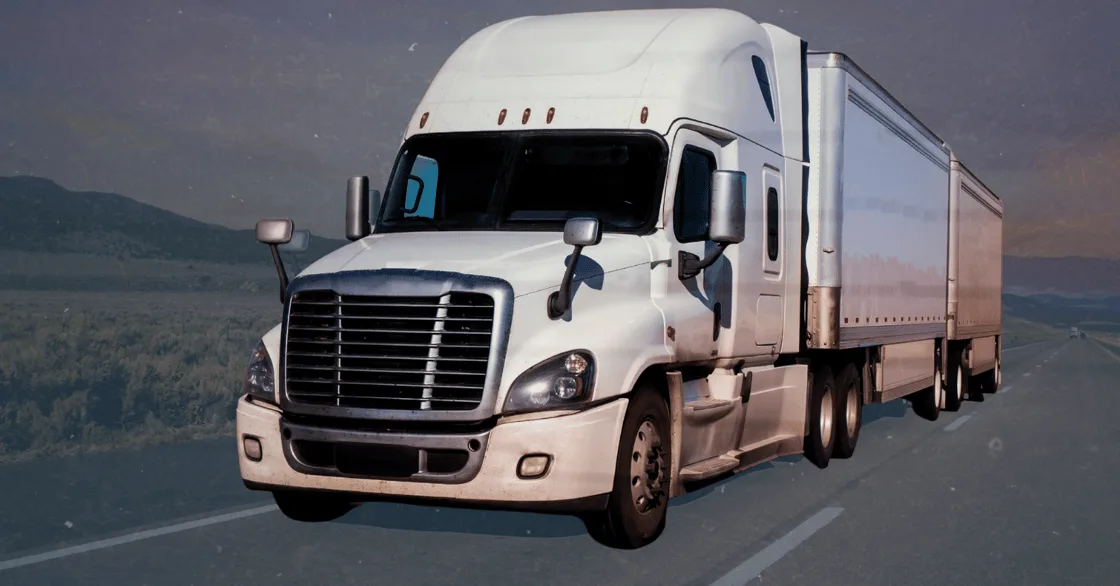
The Hustle opened its Big Idea with the question every driver asks the first time a Gatik truck rolls past: who is driving that thing? The company's answer is a quote worth reading twice. Fully driverless means exactly that. There is no driver and no safety observer in the vehicle.
Gatik is an autonomous shipping company, and it picked its battlefield carefully. It does not chase cross country freight or your neighborhood doorstep. It runs the middle mile: short, repeatable business to business routes between distribution centers, fulfillment centers, and stores, in urban, semi urban, and highway settings. The trucks alert remote help when they need it. The routes are the same, day after day, which is exactly the kind of problem automation solves first.
How Gatik got here
The Hustle laid out the climb from its 2017 founding, and the pattern is a niche picked early and defended well.
- Replacing a driver cost retailers and grocers more than 12,000 dollars in 2025, according to the National Private Truck Council, which makes the economics of autonomy hard to ignore
- Gatik raised a 4.5 million dollar seed round, then landed Walmart as its first big customer
- A 25 million dollar Series A followed, then an 85 million dollar Series B led by Koch, for 114.5 million dollars raised in total
- The company ran what it calls the world's first driverless middle mile deliveries for Walmart
- Operations have since expanded beyond the United States into Texas routes and Canada
The hard part is no longer the driving
Asked about its biggest hurdle, Gatik pointed to scale: holding the same safety standard across more vehicles, more routes, and more customer networks, while working with regulators and lawmakers at every level of government. The technology demonstrated itself. The permission to run it everywhere, and the consistency to deserve that permission, is the actual product now.
That shift is worth noticing for any business watching automation approach its own industry. The first wins come from the most repeatable routes. The long fight is trust: from regulators, from customers, and from everyone sharing the road with a truck that has an empty cab.
The niche lesson hiding in the truck story
Gatik did not try to automate trucking. It automated one slice of trucking so specific that it could be made boring: fixed routes, business customers, freight that runs on schedules. Depth in a narrow lane built the track record, the funding, and the expansion. Most small businesses will never ship a driverless truck, but the strategy translates whole: pick the repeatable slice, own it completely, and let range come later.
See our business websites and growth work
Sources and further reading
Sources were checked for this article. Tool features, prices and availability can change. Product claims are attributed to their publishers.