He Sold $1 Million of Sunglasses by Fixing One Annoyance
The Hustle Blower's October 13 story follows firefighter Mike Ettenberg, who built Frontline Optics around the moment his customers wreck their sunglasses, and passed $1 million in sales.
Ask what happened to the last pair
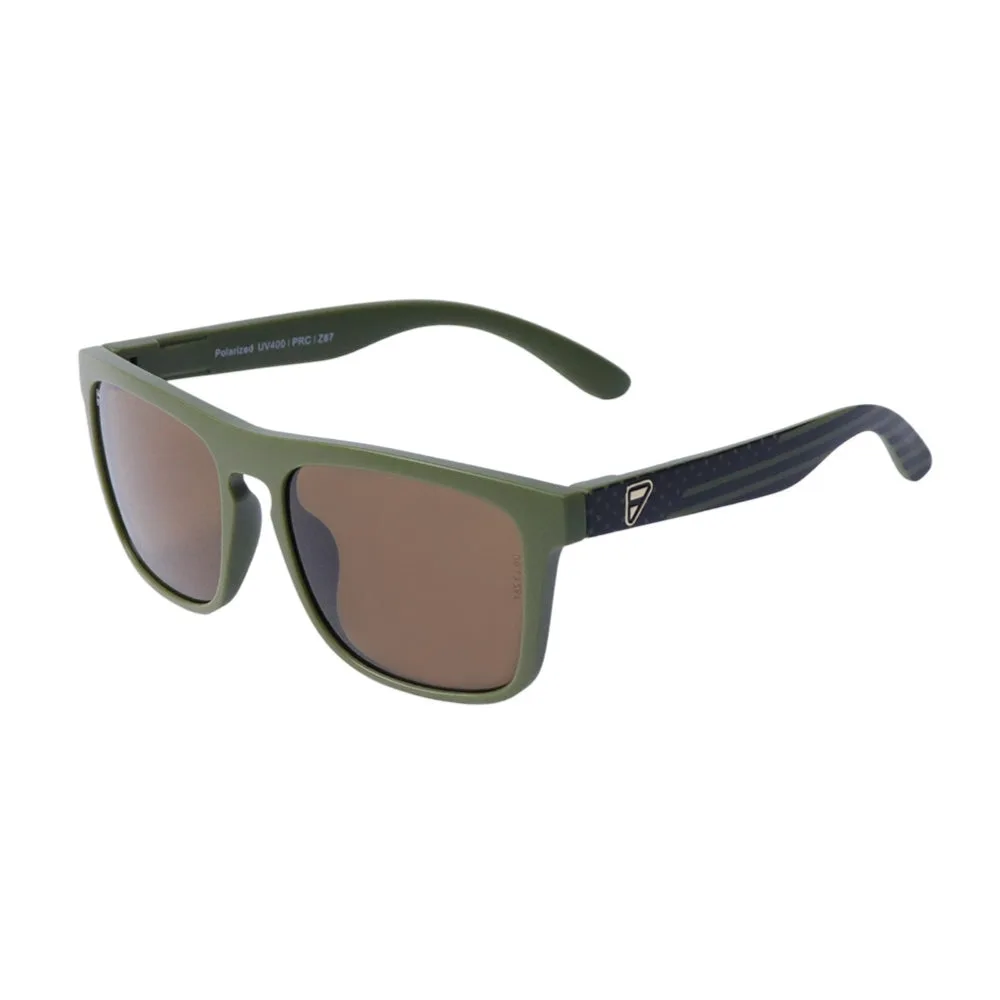
Mike Ettenberg was a firefighter who liked wearing good sunglasses and hated buying the next pair. Getting ready for calls left expensive glasses scratched, crushed, or gone, and every replacement came out of his own pocket. His company, Frontline Optics, was built for first responders living the same expensive loop.
The opening was not a new product category. These customers already wore sunglasses, already spent real money on them, and already knew exactly what annoyed them. Mike's research question writes itself: what happened to the last pair? The answers are stories about breakage and loss, and every story tells you what the offer has to fix.
Three hundred pairs before an empire
Frontline launched in July 2021 with $5,000 of savings, 300 pairs, a website, and a trademark. The first six months produced $8,182 in sales. That sounds modest until you read it correctly: strangers were paying a company they had never heard of, which is the only proof a young brand actually needs.
Instead of marketing to everyone with eyes, Mike shrank the audience to the people whose working day he understood from the inside. Early growth came from organic posts, first responder hashtags, and word of mouth inside the community he knew firsthand.
Small creators carried the exact customers
Frontline gave glasses to first responder creators with roughly 3,000 to 5,000 followers in exchange for content, and the relationships that produced orders grew into affiliate partnerships. The ambassador program now pays a 10 percent commission on tracked referral sales to community members with more than 1,000 followers.
A small creator whose audience shares one job can be worth more than a celebrity with a crowd of spectators. The tracking code keeps everyone honest: compliments are cheap, orders are evidence.
The promise that assumes life will happen
The cleverest part of the offer is the replacement program. A pair lost or destroyed in the line of duty earns one replacement for a $19.99 processing fee, with clear boundaries that keep the promise affordable. It answers the hesitation behind the purchase: am I about to pay for the same mistake twice?
The math can be gentle. If a replacement costs a business $24 to supply and the customer pays $20 of it, a 10 percent claim rate spreads the rest across every sale at about 40 cents each. Mike also tells the other side honestly: his Black Friday advertising push lost money. The lesson of the million is not a channel. It is a product built around the customer's worst afternoon, priced so the promise survives contact with reality.
Sources and further reading
Sources were checked for this article. Tool features, prices and availability can change. Product claims are attributed to their publishers.