Factory Built Homes Are Getting a Second Look as Housing Costs Bite
They build 30 to 50 percent faster, waste up to 90 percent less material, and can cost far less than site built houses. The Hustle explains the three kinds of factory built homes and the housing bill that could give them a push.
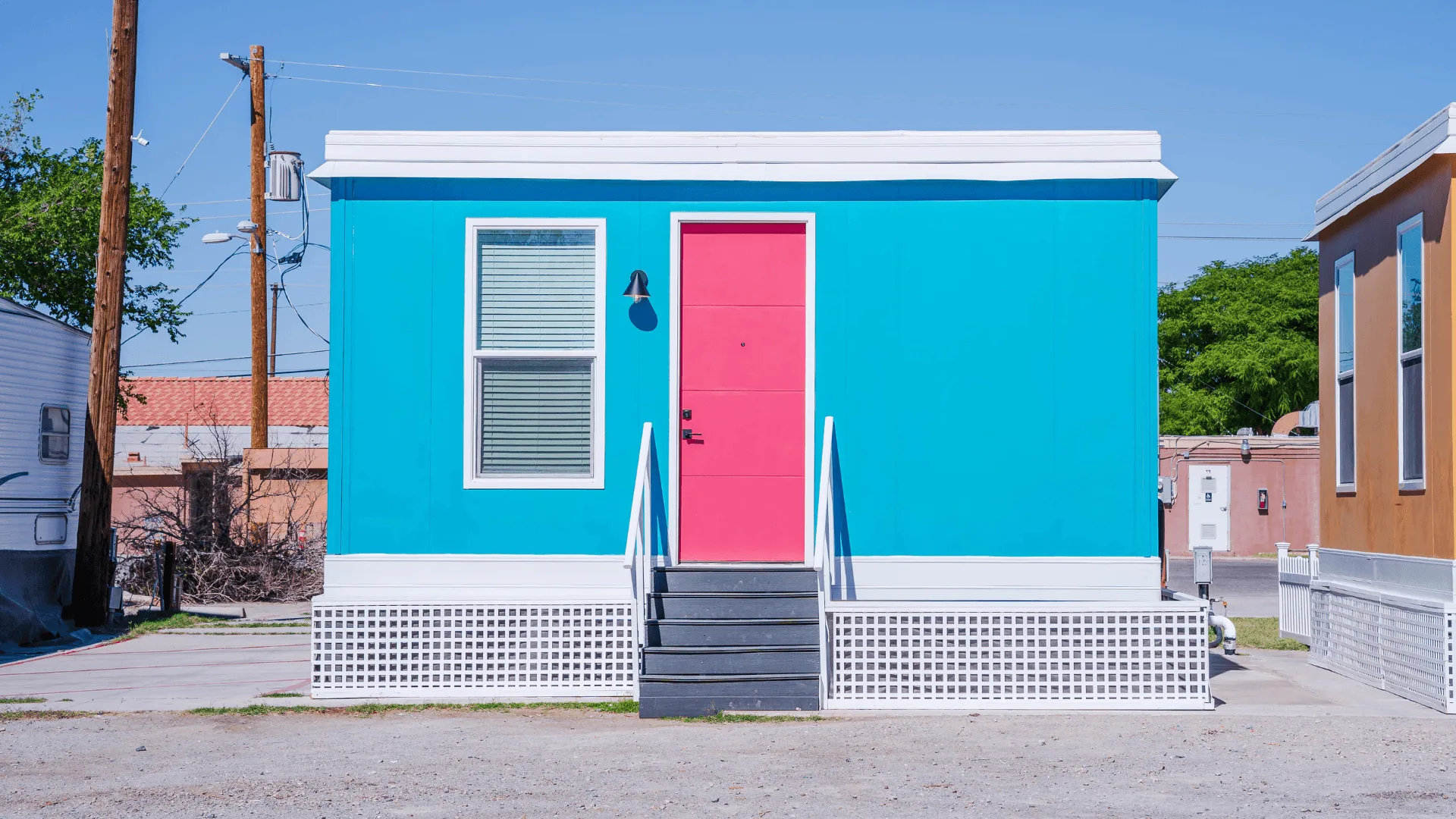
Some assembly required, again
A century ago, Americans ordered entire houses from a Sears catalog and assembled them on their own land. The Hustle reports that the modern version of that idea, factory built housing, is being looked at again as one of the few realistic answers to the affordable housing crunch, with reporting from Marketplace.
The stigma is the first thing to update. Factory built no longer automatically means flimsy. The industry now covers a quality ladder, and knowing which rung you are buying matters more than the label.
Three kinds of factory built homes
The Hustle breaks the category into three, and the differences decide financing, value, and where the home can go:
- Mobile homes were built before 1976 and before modern federal safety standards, sit on a chassis with wheels, are titled like vehicles, and tend to depreciate
- Manufactured homes are built after 1976 to strict federal standards, can sit on a permanent foundation, can appreciate, and have more financing options
- Modular homes are built in enclosed sections to city and state codes, assembled on a permanent foundation, and can be financed with a traditional mortgage
Why builders and buyers are paying attention
Companies like RISE Modular, Clayton, and Boxabl now ship homes and apartments with cabinets, trim, toilets, and appliances already installed. Per The Hustle, factory built homes can go up 30 to 50 percent faster than on site construction, generate up to 90 percent less material waste, and run anywhere from 10 to 60 percent cheaper, based on 2023 figures.
The market is still small next to its history. About 100,000 manufactured homes sold in 2025, far below the postwar peaks of 579,000 in 1973 and 373,000 in 1998, two eras when factory built housing dramatically widened homeownership.
The housing bill that could move the needle
The bipartisan 21st Century ROAD to Housing Act encourages factory built housing without writing checks to developers. It would remove the requirement for a permanent steel chassis under manufactured homes, a change estimated to cut $5,000 to $10,000 in cost, and it recommends ending the exclusionary zoning that lets many towns quietly ban these homes outright. It also includes provisions to widen financing options.
For Florida, where land, insurance, and construction costs stack up fast, that combination matters. A state full of manufactured home communities, retirees on fixed budgets, and workers priced out of the counties they serve is exactly where faster, cheaper, code built housing gets tested first. Watch the zoning fights. That is where this story will be won or lost.
The takeaway
Factory built housing is a reminder that innovation is not always an app. Sometimes it is a house built indoors, out of the rain, on a line that wastes less and finishes sooner. If the financing and zoning barriers fall, expect builders, content creators in the real estate space, and a lot of Florida buyers to meet at the factory door.
Sources and further reading
Sources were checked for this article. Tool features, prices and availability can change. Product claims are attributed to their publishers.