Claude Projects Can Now Take Their Own Notes and Build Their Own Memory
Claude Projects on the web can now save research as knowledge files inside the project, so the context you built once keeps growing on its own schedule.
The small update that changes the whole habit
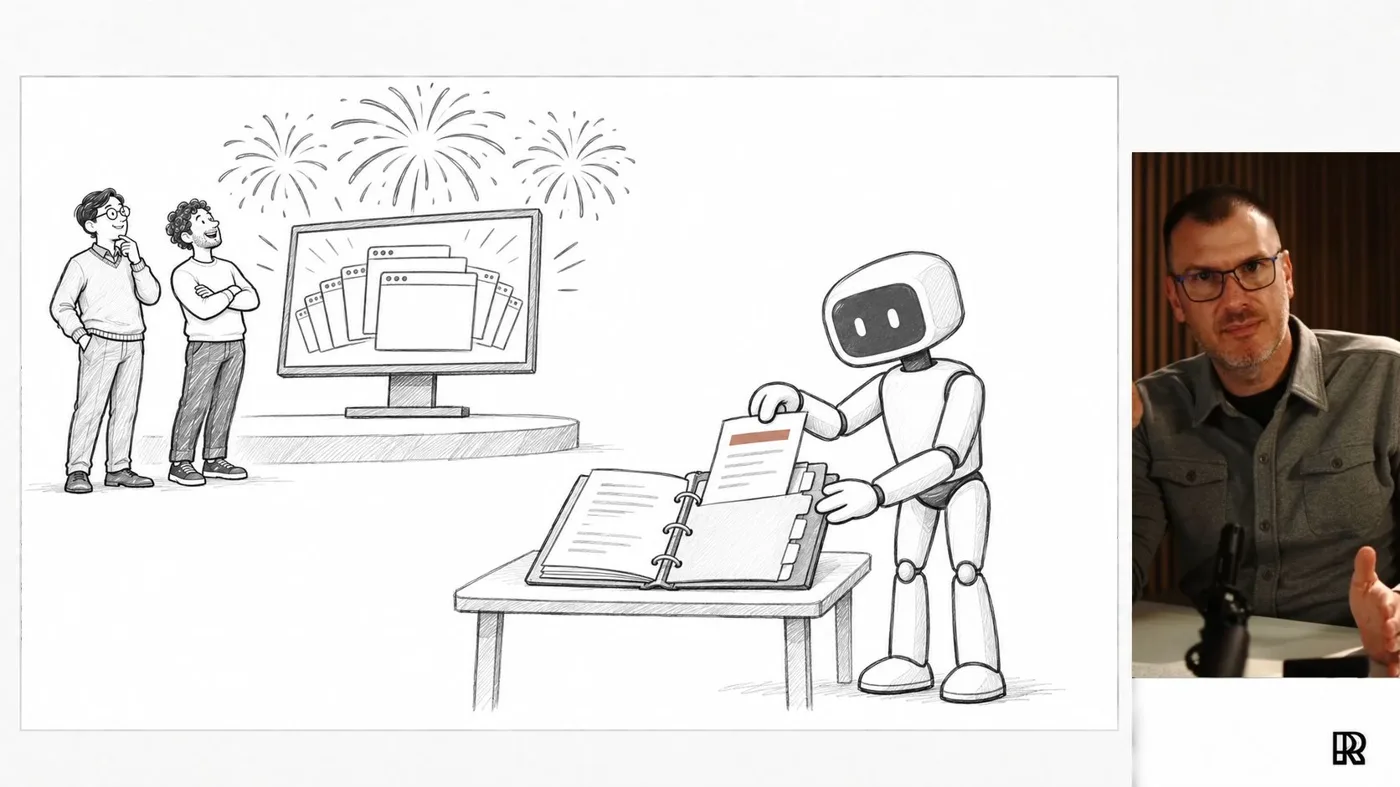
The loudest AI demos this week involved a thousand agents building an operating system in eight days. The Rundown AI educator Nate Grahek argues the update that matters for real work is quieter. Claude Projects on the web can now save their own knowledge files, so a project can do research, pull out the main ideas, and file them away as new knowledge inside itself.
That sounds like a footnote until you remember how projects earn their keep. For three years, the teaching has been simple: Claude does its best work when it knows the way you do the work, in your role, at your organization. Set up a project once with the documents that show how a proposal is done right, and it reuses them again and again, on any device, shared with your team.
The catch that just disappeared
The catch was that Claude could not add to its own library. If you wanted it to save this week research and compare it against next week research, you had to work locally, on one machine, which closed the door on your phone and on easy sharing with a team. The memory was real, but it only grew when a human stopped to feed it by hand.
Now the project can gather and curate its own knowledge, inside and outside your organization. Put it on a schedule and the filing happens whether or not anyone remembered to do it. Grahek calls Projects the killer feature of Claude, and says one tiny detail just made it better. Tiny detail, large consequence: a memory that updates itself changes a tool into a habit that runs in the background.
What this looks like for a working creator
Picture the way a small production business actually runs. A project holds your rate logic, your best performing hooks, your client notes, and the style rules for your brand. Every week it saves fresh research on what is working in your niche, files it next to the old research, and flags where the new findings disagree with the old ones. Next month proposal does not start from a blank chat. It starts from a library that has been quietly keeping score.
That is the difference between using AI as a search box and using it as staff. A search box forgets you between visits. A project with its own growing files remembers your standards, your prices, and your past decisions, and it can show its work when you ask why it drafted something the way it did.
Set it up like you mean it
The setup rules still decide everything. Load the project with documents that show good work, not slogans about good work: a finished proposal, a priced package, a script that performed, a recap that a client loved. Name the files clearly, because future you and future Claude both have to find them. Then give the project one scheduled research job with a narrow brief, and read what it files for the first few weeks before you trust the habit.
Keep one human rule on top of the automation. A memory that writes itself can also drift, saving confident summaries of weak sources, so the review step is not optional. Check the new files, delete what is off brand or out of date, and correct the record while it is small. Teams that treat the project library like a shared desk, kept tidy on purpose, will get compounding value from this. Teams that treat it like a junk drawer will get a faster junk drawer.
Sources and further reading
Sources were checked for this article. Tool features, prices and availability can change. Product claims are attributed to their publishers.