Claude Now Dreams to Fix Its Own Memory and the Lesson Is Pure Workflow
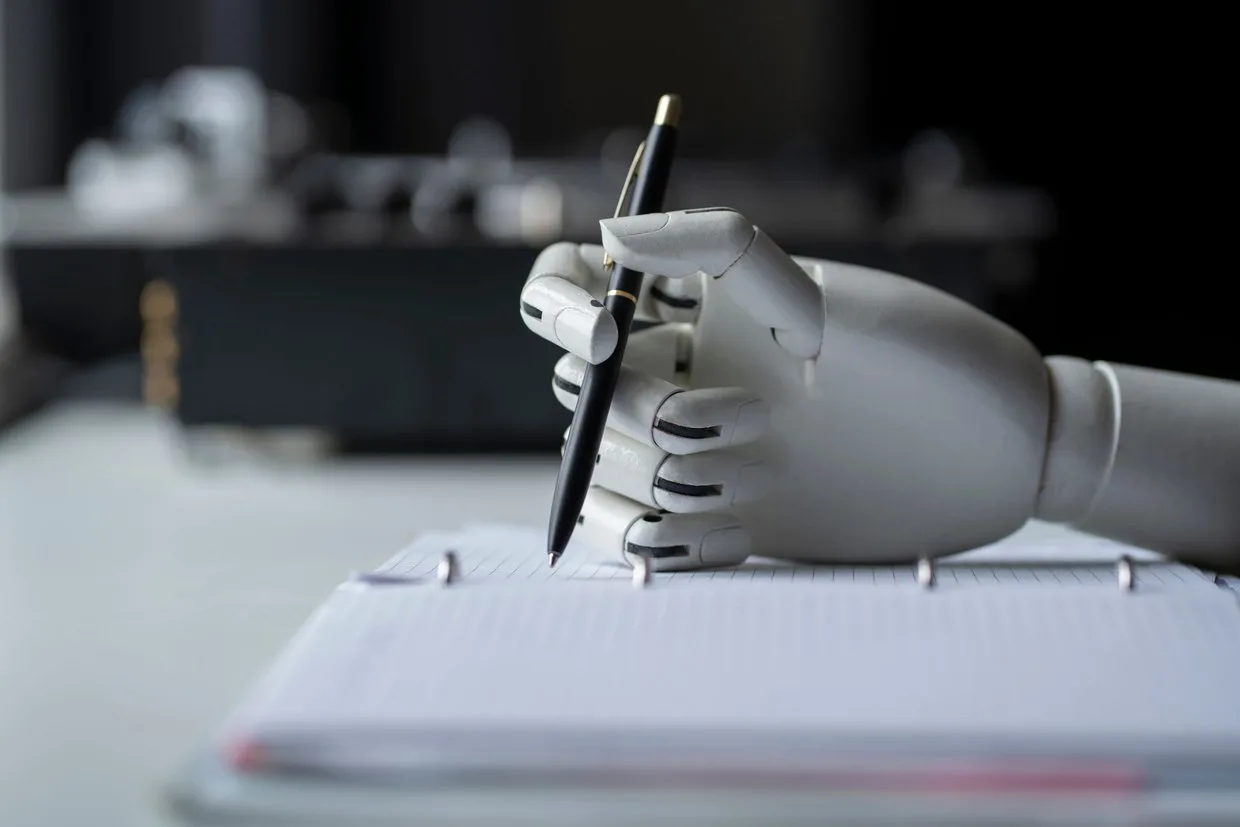
Anthropic says Claude agents use downtime to check their saved notes against past work, fix errors, and reorganize what they remember for the next session.
Memory is notes, and notes can be wrong
The Rundown AI reports that Anthropic has published its own take on AI dreaming, describing how Claude agents use downtime between sessions to fix and reorganize their memory. Memory here is practical, not mystical. It is the notes Claude saves as files during work and reads back in later sessions, so it can build on past work instead of starting from scratch every single time.
The catch is that a note written in the moment can be wrong from the start, or drift as the job changes, and a later session will trust it anyway. Dreaming is the cleanup pass. Claude checks its notes against logs of what actually happened, catches errors, and rewrites the record while nobody is waiting on it. It is the same reason a good editor reviews the project file after the shoot, not during it.
Ten good files beat 413 noisy ones
Anthropic tested memory judgment by having models play Pokemon, a long game where what you save decides how well you play. Fable 5 earned four badges using only about 10 memory files. An older Sonnet 3.7 earned just one badge while writing 413 files, saving nearly everything it touched until the archive itself became the obstacle. Opus 5.5 kept a small, current folder and beat the game entirely.
Anyone who has run a media library knows that failure mode. Saving every take, every draft, and every stray note feels safe, and then nobody can find the one file that matters. The models that won saved less and judged better. Anthropic also found that explaining to the AI why memory matters worked better than handing it strict rules about what to write, a finding that will sound familiar to anyone who has trained a good assistant.
Agents that remember the job, not just the chat
The Rundown notes how far this sits from the first generation of assistant memory, which was little more than a scratchpad of facts about the user. The direction now is agents that remember the work itself: the decisions made, the errors caught, the rules that proved true on a real job, carried into the next session ready to use.
For a small studio, that shift is the whole opportunity. An agent that remembers how your last three events were delivered, which client prefers which format, and where the last export went wrong is worth more than a slightly smarter model with amnesia. Memory turns a tool into a trainee, and trainees get more valuable the longer they work beside you, as long as someone keeps their notes honest.
Steal the dreaming habit for your own systems
You do not need Anthropic research stack to use this. Schedule a short review pass over your own project notes, prompts, and checklists, and check them against what actually happened on recent jobs. Delete what drifted, fix what was wrong, and promote the few rules that keep proving true to the top of the file where every new session, human or AI, will see them first.
Keep the top layer small on purpose. Anthropic keeps the notes loaded into every session deliberately short, because a bloated brief gets ignored and a wrong one gets repeated everywhere. Lean notes, verified against real work, reviewed on a rhythm. That is dreaming without the poetry, and it is available to any operator willing to maintain the record instead of just adding to it.
Sources and further reading
- The Rundown AI: Anthropic Claude dreams to fix its own memory (November 9, 2026)
- Anthropic: The components of agent memory (November 6, 2026)
Sources were checked for this article. Tool features, prices and availability can change. Product claims are attributed to their publishers.