How a Temporary Airline Cookie Became a Global Brand
Biscoff boarded Delta flights in 1986 as a temporary peanut replacement. Forty years later the cookie drives over 850 million dollars in half year revenue for Lotus, built on placement before advertising.
The cookie that was only supposed to visit
Every flyer knows the little spiced cookie. The Hustle traced how Biscoff got into the seatback pocket, and the answer is that it was never meant to stay. The cookie began as speculoos, a Belgian baking tradition with notes of caramelized sugar, cinnamon, nutmeg, cloves, and ginger.
Lotus Bakeries started baking speculoos at scale in 1932. In the 1950s the company wrapped the cookies individually and convinced cafe owners to serve one alongside coffee, a quiet sampling program that introduced the cookie across Europe one cup at a time.
A peanut shortage opened the cabin door
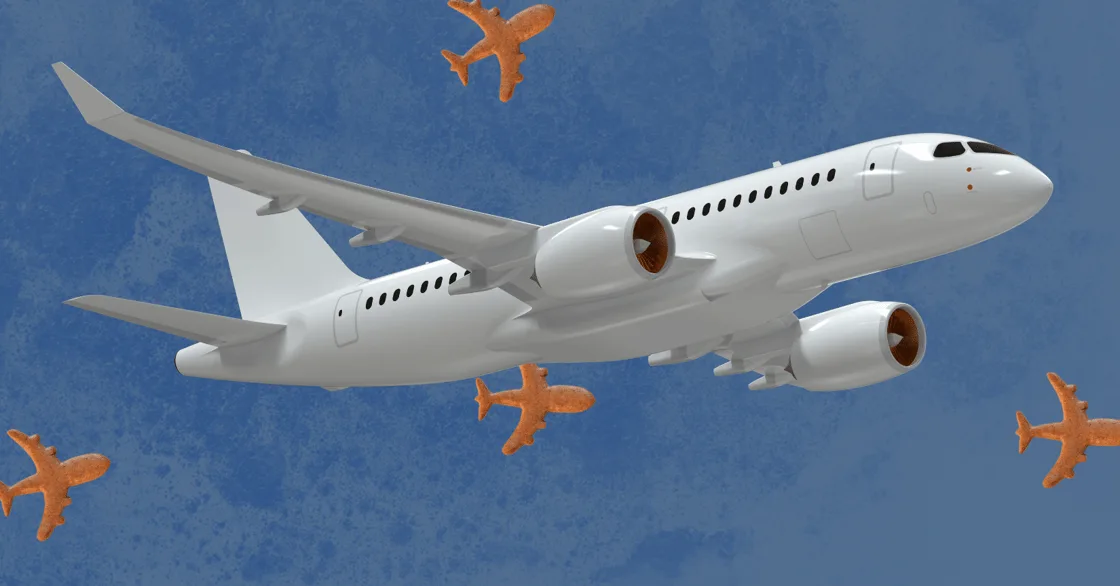
The break came from a crisis that had nothing to do with cookies. During the peanut shortage of the 1980s, Delta went looking for a temporary replacement for the standard airline snack and partnered with the family run Lotus in 1986, according to Serious Eats as cited by The Hustle.
Rebranded as Biscoff, a blend of biscuit and coffee, the cookie was an instant hit and the temporary swap became permanent. Delta alone now serves about 70 million packages a year. American Airlines, JetBlue, Qatar Airways, and Brussels Airlines carry it too. Research even suggests the flavor profile holds up against the taste dulling effects of air travel, which helps explain the obsession at altitude.
From cabin freebie to grocery shelf
The airplane was the sample. Retail was the business. Biscoff moved onto supermarket shelves and kept multiplying: cookie butter, sandwich cookies, ice cream, and limited time collaborations with other brands. A viral pairing with Greek yogurt, nicknamed Japanese cheesecake by fans online, gave the cookie a second life on social media feeds.
The numbers show what that ladder is worth. The cookies generated more than 850 million dollars in revenue in the first half of 2026, up 14 percent year over year. Lotus has committed about 557 million dollars to global expansion, including facilities in North Carolina and Thailand. About 6 billion Biscoffs are baked each year, and Lotus calls it the fastest growing cookie brand in the United States. Its shares have climbed about 600 percent in 10 years. Only six people know the secret recipe.
Placement beat advertising
Notice what is missing from this story: a famous ad campaign. Biscoff grew because it was placed where people were captive, bored, and handed a free taste at a memorable moment. The flight created the craving. The grocery store collected the money.
That order matters for small brands. Sampling inside someone else moment is worth more than shouting inside your own. A cafe saucer in the 1950s and an airline tray in 1986 are the same play at different scales: borrow a trusted setting, let the product speak once, then be easy to buy forever after.
- Put a free taste inside a setting people already trust and remember
- Treat the placement as the sample and retail as the register
- Extend the product into new forms only after the original wins
- Protect the recipe: scarcity around how it is made keeps the story alive
Your version of the airline tray
Most businesses will never board a Delta flight, and they do not need to. Every market has trays: events, partner counters, waiting rooms, gift bags, and the feeds of people your buyers already follow.
Find the tray your buyers cannot ignore, put one perfect sample on it, and make sure the full size version is one easy step away.
Sources and further reading
Sources were checked for this article. Tool features, prices and availability can change. Product claims are attributed to their publishers.