Meat Eaters Are the Customers Keeping Plant Based Meat Alive
Plant based meat sales fell 10 percent in 2025, yet 96 percent of households buying it also buy animal meat. Prime Roots built its whole business on that customer, selling koji based deli slices to meat eaters.
The customer nobody pictured
Stand in front of the plant based meat case and guess who buys it. The Hustle asked that question, and the answer upends the usual assumption. The people keeping these brands alive are meat eaters.
The numbers come from the Good Food Institute figures cited by The Hustle. Plant based meat and seafood sales fell 10 percent in 2025. Yet 96 percent of households that bought plant based meat also bought animal based meat. The category is not sustained by committed vegans. It is sustained by ordinary shoppers who also buy the real thing and reach for an alternative some of the time.
Built at Berkeley for the flexitarian majority
Prime Roots is the company The Hustle profiles for building entirely around that customer. Cofounders Kimberlie Le and Joshua Nixon started the concept at the UC Berkeley Alternative Meats Lab, using fungi to rethink how humans eat protein.
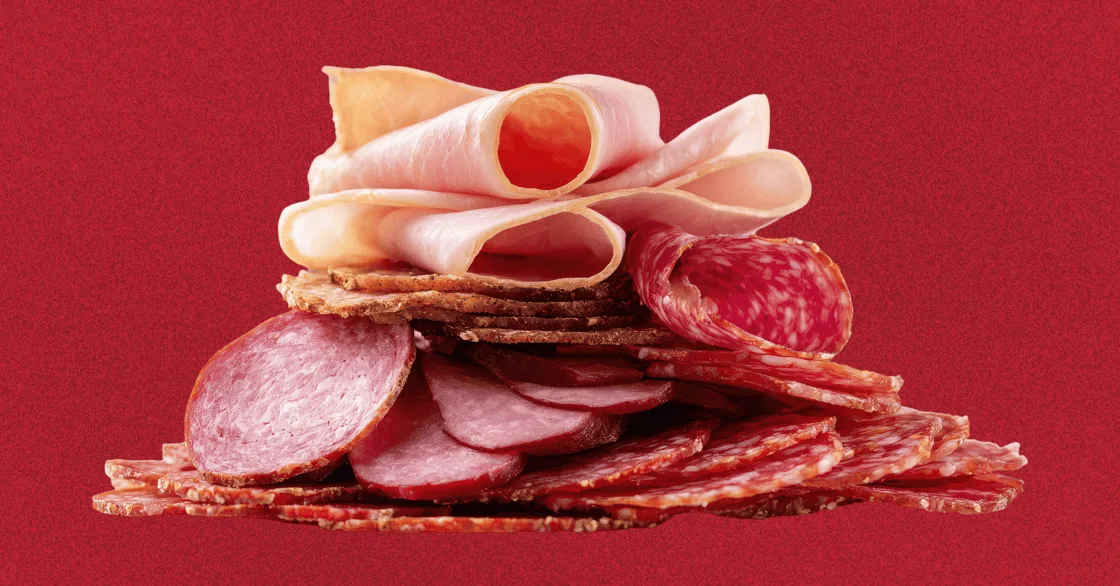
Their product is koji based cold cuts: turkey, ham, roast beef, and salami, sliced like any other meat at the deli counter. Le told The Hustle that from day one the company focused on meat eaters and flexitarians, the vast majority of the population. The pitch is a healthier swap inside a sandwich the customer already makes.
Aiming at the least healthy shelf
The choice of deli meat was deliberate. Le explained that the company targets some of the worst categories for health, naming deli meats that are heavily processed and full of compounds classed as known carcinogens. Prime Roots promises to be preservative free, non GMO, and free of the top nine allergens, in Le words as reported by The Hustle.
That positioning answers the category biggest weakness. Le cites soy, gluten, fillers, and ultra processed ingredients as the deterrents that turned shoppers away from mass produced plant based meats. A product asking meat eaters to switch has to win on taste and a clean ingredient list at once.
Growing while the category shrinks
While the wider market contracts, Prime Roots says it is growing. Sales have nearly doubled annually since the products launched, according to the company figures shared with The Hustle. It expects to be in more than 1,000 retail outlets by the end of the year.
In fall 2026, the company launched a packaged line called Safe Slice at Sprouts, extending beyond the deli counter where it started. Le was clear that the expansion does not replace the original business, saying the company is not leaving the deli because that is where it started and what it is best known for.
The audience lesson
Most struggling categories do not have a product problem first. They have an audience picture problem. Plant based meat was marketed as if its buyer had already rejected meat, when the data says the buyer is a meat eater making an occasional trade for health reasons.
Prime Roots sells the trade, not the identity. Its cold cuts sit in the deli, slice like deli meat, and go into the same lunch. Nothing about the purchase asks the customer to become a different person. That is why a shrinking category can still contain a growing company.
- Find the customer who already buys the neighboring product, not only the customer who preaches your category
- Sell the swap and the benefit, not a new identity the buyer never asked for
- Compete on the flaws of the incumbent, in this case processing, fillers, and allergens
- Expand from the shelf where you win instead of abandoning it for a trendier one
Know who is actually buying
Every creator and business owner has a version of this question. Who is actually buying, as opposed to who you imagined when you built the offer? The households in the data buy both, on purpose, for different reasons on different days.
Build for the buyer in the data and you can grow inside a market everyone else calls dead.
Sources and further reading
Sources were checked for this article. Tool features, prices and availability can change. Product claims are attributed to their publishers.