Let AI Coach Your Calls Instead of Just Taking Notes
Rowan Cheung records his calls with Granola, sends the transcripts to Claude, and grades his own talk ratio, dodges, promises, and answers to pushback.
Most people ask AI for a summary
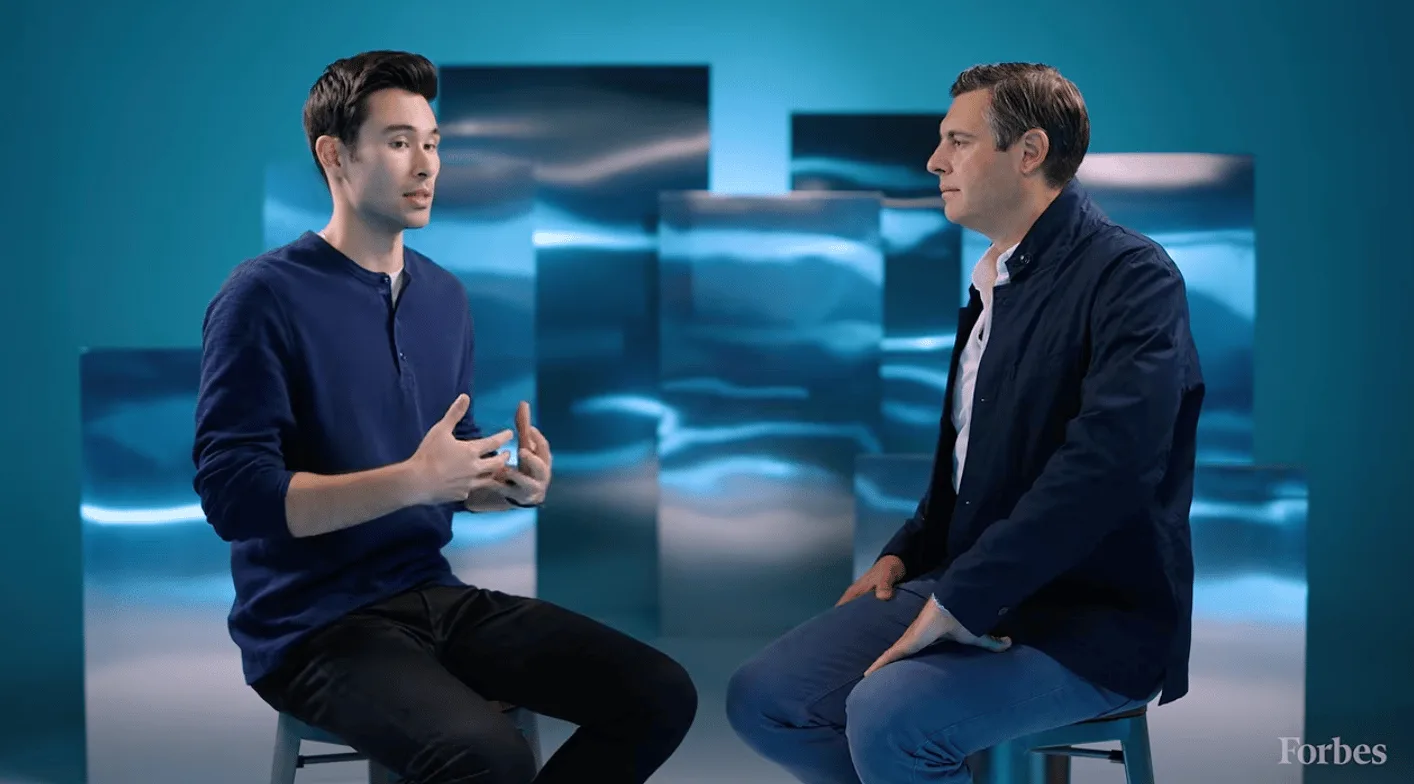
Most people point a meeting tool at a call and ask for the polite version: a summary, a list of action items, a few next steps. Rowan Cheung, who writes The Rundown AI, does the opposite. After every high stakes call, he lets AI tear apart his own performance. He says the habit started as a weird quirk several months ago and has quietly become one of the most useful things he does.
The setup is simple enough for anyone to copy. He records his meetings with Granola, noting that any meeting note taker would work, connects the transcripts to Claude, and instead of pulling summaries, he makes the model look backward at how he handled the conversation. The call becomes film study, and he is the player on the tape.
Four reviews worth stealing
The first review is his talk ratio on sales calls, flagged whenever it passes 50 percent, because on a good sales call you want to talk less and learn more. The second is harder to hear: every moment he dodged a hard topic or put off a decision he could have made on the spot. Most of us leave a call remembering the parts that went well. This review remembers the parts we avoided.
The third review is a commitment log of everything he promised, including every let me think about it, and those promises get pushed into his to do lists so nothing quietly expires. The fourth is an objection library: every pushback partners raised this year, collected in one place, with a stronger answer drafted for each one. Put together, the four reviews turn one call into training material for the next ten calls.
Exact quotes make the coaching honest
His one quick tip is the detail that makes the whole system work. Ask for exact quotes, so Claude or ChatGPT puts your own words next to what you should have said. A summary lets you nod along. A quote makes you wince, and the wince is where the learning lives. You can hear the sentence that lost the room, and you can practice the sentence that would have held it.
Rowan is clear that this travels well beyond his own calls. The same workflow fits recruiting calls, sales calls, leadership meetings, and even podcasts and interview recordings. If it is recorded, it can coach you. For a creator who sells event coverage, that means the discovery call and the pricing call are both reviewable. The night after a call, you can find the exact moment the budget talk went soft and rewrite it while the memory is still warm.
Build the habit this week
Start small and keep it honest. Record your calls with permission, keep the transcripts in one trusted place, and run the same four reviews after each important conversation: talk ratio, dodged topics, promises made, and pushback received. Save the objection library where you will actually see it before the next call, and add one stronger answer each week. Within a month you will own a playbook written from your own evidence, not from a guru thread.
One guardrail matters. Transcripts hold client details, prices, and plans that were shared in confidence, so keep them in tools you trust and share only what a review needs. Used with care, this is the rare AI habit that makes a person better at the human part of the job. The model takes the notes. You still have to take the notes to heart, and then show up to the next call saying the better sentence out loud.
Sources and further reading
Sources were checked for this article. Tool features, prices and availability can change. Product claims are attributed to their publishers.