Hollywood Is Finding Its Next Horror Directors on YouTube
Two filmmakers in their twenties posted horror stories to the internet, then watched them become two of the biggest movies of the year. Studios noticed. Now Hollywood is bidding on YouTube shorts and creepypasta, and the path from a bedroom upload to a studio deal is shorter than it has ever been.
The scariest pipeline in Hollywood starts on a phone
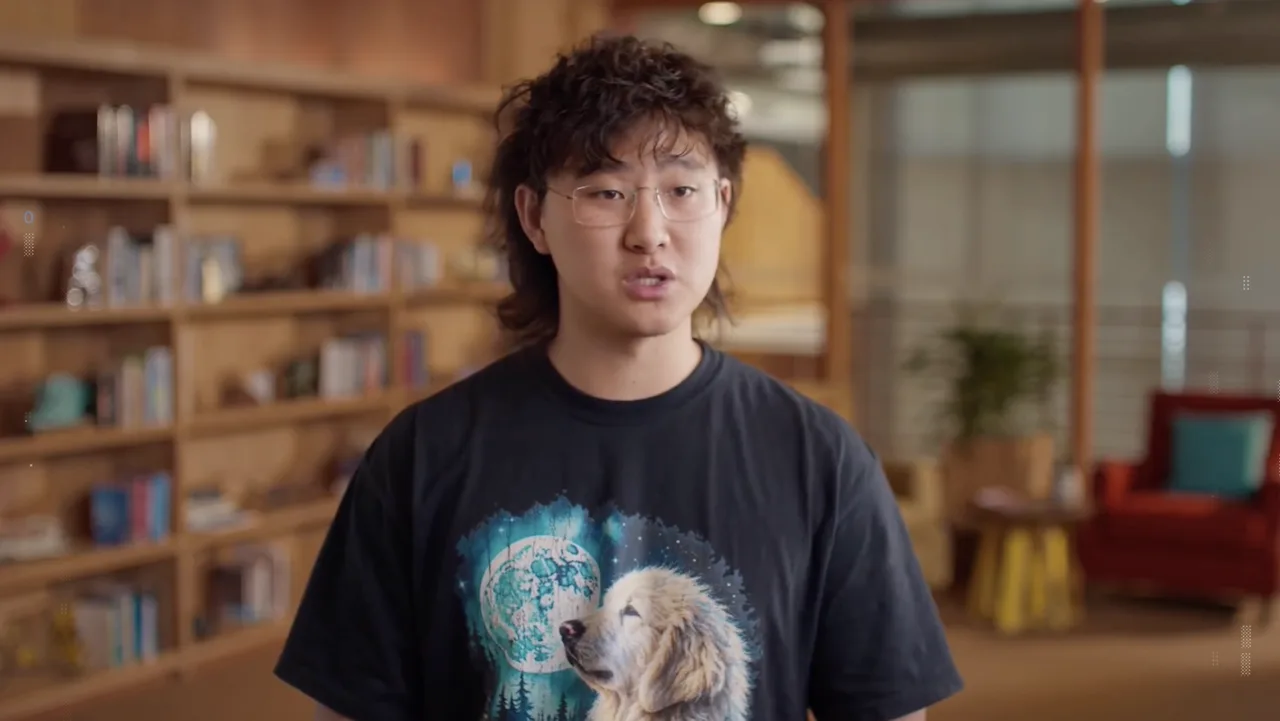
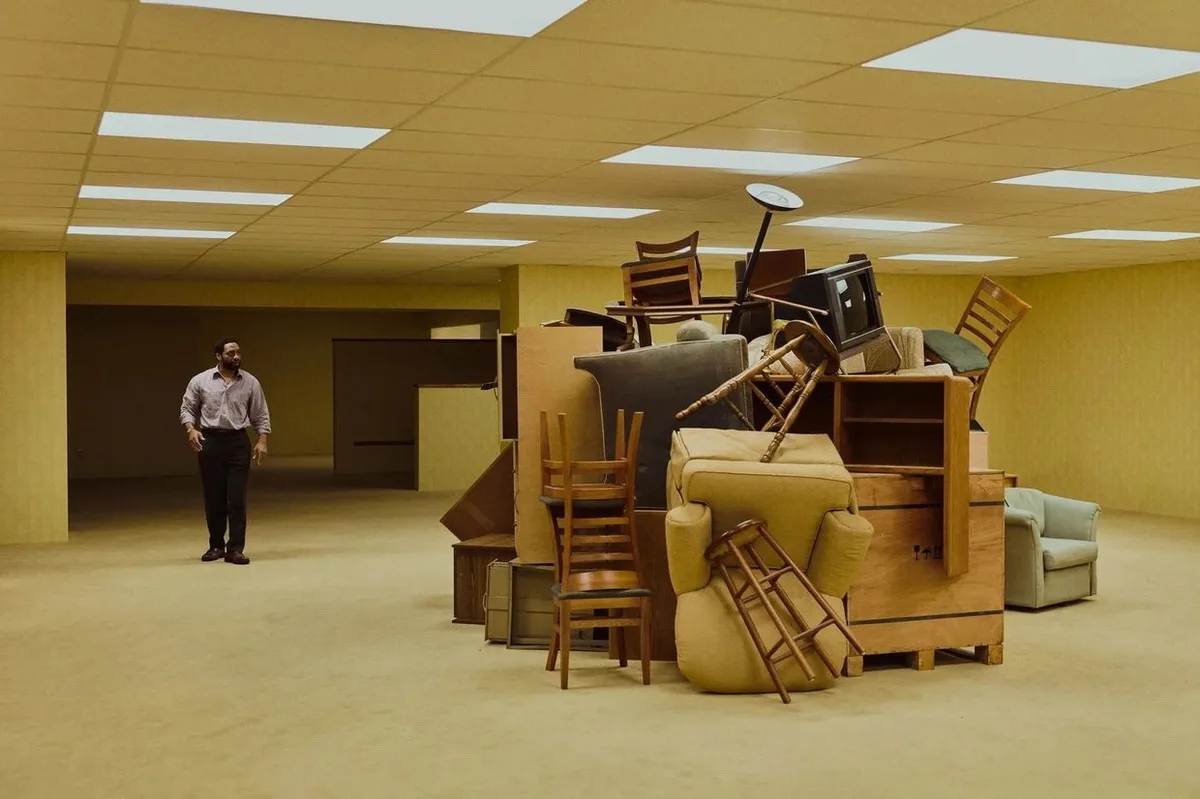
Morning Brew devoted its October 11 edition to the business of horror, and one story in it should be taped above every young filmmaker's desk. Kane Parsons posted a short film inspired by an eerie photo of an empty room that had been circulating in creepypasta circles, the corners of the internet where users build horror fiction together. Four years later, his feature version, Backrooms, grossed 400 million dollars worldwide on a budget of roughly 10 million, with A24 behind it.
He was not alone. Curry Barker, another longtime YouTube filmmaker, made Obsession for under 1 million dollars. It became the first original movie of the 2020s to pass 500 million dollars at the box office, according to The Wrap, and the first wide release horror film to earn more in its second weekend than its first, which means audiences kept recruiting new audiences.
The deals followed fast
Studios are not buying these filmmakers a lottery ticket. They are buying proof. A short that travels the internet on its own has already passed the test marketing departments spend millions trying to fake: strangers chose to watch it, share it, and ask for more.
- Backrooms grew from an online short into an A24 feature that grossed 400 million dollars on about a 10 million dollar budget
- Obsession cost under 1 million dollars to make and passed 500 million dollars worldwide
- Less than two months after Backrooms opened, Puck reported A24 offered Parsons a three year deal worth 65 million dollars for whatever he makes next
- Weeks after Obsession hit theaters, Barker signed an eight figure deal with Universal and Blumhouse Atomic Monster, per The Hollywood Reporter
- At least five more horror films based on YouTube shorts and creepypasta are now in development, with names like Spielberg, Jordan Peele, Warner Bros., and Lionsgate attached
Horror is the genre where small still wins
The economics explain why horror is where this door opened. Morning Brew notes that based on data from 1996 to 2016, horror had the highest likelihood of profit of any genre, with over half of all horror films making at least a dollar, because the budgets stay low enough for a hit to return many times its cost. Paranormal Activity made 193 million dollars on 15 thousand. Barbarian grossed ten times its 4.5 million dollar budget. Smile turned 17 million into 217 million and earned two sequels.
Fans show up in downturns, in pandemics, at drive ins, wherever a screen glows. A genre that forgiving lets a studio take a chance on a 25 year old with a camera and a strange idea, because the downside is a small budget and the upside is a franchise.
What this means if you make things
The lesson is not that every short goes to A24. It is that the internet is now the audition room, and the work itself is the pitch. Parsons and Barker spent years posting before anyone called. Mark Fischbach, with 39 million YouTube subscribers, saw his low budget horror film pass 50 million dollars after fans petitioned their own local theaters to screen it. The audience was built before the movie existed.
Shoot the short. Post the short. Let a finished, frightening thing do the introducing, and keep the rights and the receipts when the phone rings.
See the films and ads we produce
Sources and further reading
Sources were checked for this article. Tool features, prices and availability can change. Product claims are attributed to their publishers.