Braiding Takes Eight Hours. This Startup Attacks the First One.
Tressfecta founder Aisata Diallo built the Plait Pilot to cut the hour of prep inside an eight hour braiding appointment, in a market worth over 15 billion dollars.
An eight hour appointment with a hidden first hour
Hairstyles have always been a powerful way for people to show identity, culture, and confidence. Yet The Hustle reports that haircare brands and beauty schools have often had limited education on textured hair, which represents 65 percent of the United States population. Only eight states legally require cosmetology schools to train and educate on textured hair as part of their mandatory licensing curriculum, so the gap is built into the training itself.
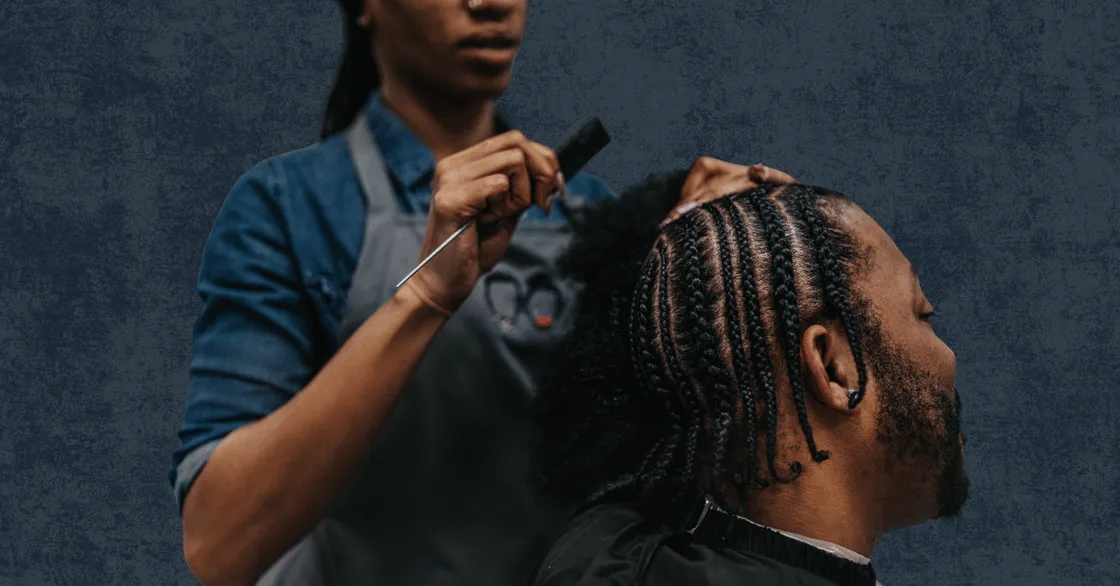
The gap shows up in the chair. Braiding textured hair can take eight hours for one appointment, and on average about one of those hours is spent preparing before a single braid is even started, according to Aisata Diallo, founder of the textured hair tech company Tressfecta. One hour of prep inside every eight hour job, repeated across millions of appointments, is not a detail. It is an industry hiding inside an industry.
She lived the problem before she built for it
Diallo had been braiding her own hair long before college, but she noticed that many of her friends at school struggled to afford or access textured hair care appointments, since braided styles often cost 200 dollars or more. She braided her cohort hair for about three years, often working on weekends and during summer breaks. That is three years of field research conducted with her own hands, one head at a time.
During that time she came up with the idea that became the Plait Pilot, and then she waited. She told The Hustle she honestly sat on the idea for a few years, studying business without the technical knowledge she felt she needed to move forward. Her reason for building anyway is the line every founder should underline. You would have to have that frustration to understand why this is something worth innovating towards.
The Plait Pilot and the company taking shape
The Plait Pilot is a prep tool that separates braiding hair into sections before the appointment starts. Notice the discipline in that scope: Tressfecta is focused on braiding prep, not braiding itself. The company is not promising a robot stylist. It is promising to hand the stylist back the first hour of every appointment, with the creative and skilled work left exactly where it belongs, in human hands.
The company is entering at the right time, with the textured hair market valued at more than 15 billion dollars in 2026. Tressfecta has a prototype in development with multiple versions so far, a private community of more than 50 braiders and stylists including salon owners, and a place among TechCrunch Startup Battlefield 200 companies this year. It is preparing to fundraise and targeting hardware and beauty tech investors who understand both sides of that description.
Build for the hour everyone else ignores
Diallo names her two real challenges plainly: investing and education. She finds herself leaning into the educational framing of her pitch, because the issue is so specific that an investor almost has to come from the styling experience to feel its weight. That is the tax on building for an overlooked market. The opportunity is enormous precisely because incumbents skipped it, and the pitch is harder for the same reason.
Every craft has a hidden first hour. In video work it is the prep before the shoot and the file handling after it, the parts clients never see and schedules always underestimate. Tressfecta shows the move: find the unglamorous hour inside a long job, measure it honestly, and build the tool that shortens it without touching the artistry people pay for. Diallo says she is starting to see real innovation in the textured hair category at last, and expects something very positive in the next five years. The first hour is where that future starts.
Sources and further reading
Sources were checked for this article. Tool features, prices and availability can change. Product claims are attributed to their publishers.