Nintendo Waited 28 Years to Remake Zelda and It Became the Best Reviewed Game of the Year
Nintendo Ocarina of Time remake scored 96 on Metacritic at launch and is built to carry Switch 2 holiday sales. In a year of rushed reboots, patience and restraint just won the season.
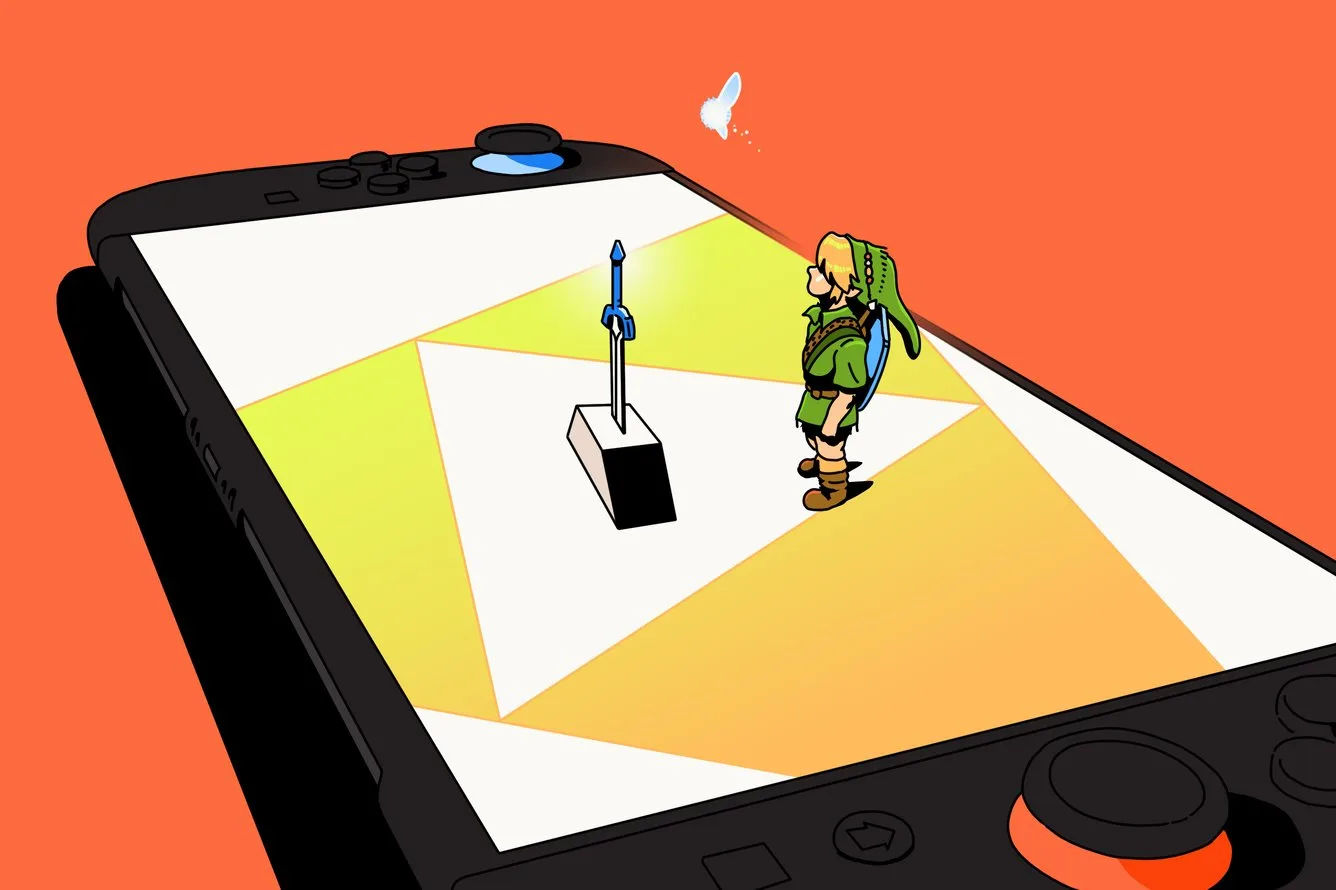
A reboot that waited its turn
Entertainment companies usually reboot a beloved title the moment the accountants allow it. Nintendo waited nearly thirty years. Morning Brew reports that the remake of The Legend of Zelda: Ocarina of Time, first released 28 years ago, arrived today at midnight Eastern, only on the 500 dollar Switch 2, and the restraint is the story before the sales numbers even land.
The reception rewarded the wait. The remake is already the best reviewed game of the year so far, with a score of 96 on Metacritic. Critics praised subtly refined controls, dialogue, and graphics that kept the original charm instead of sanding it off. Morning Brew notes how treacherous this can go: audiences defend fiercely loved originals, and a careless copy and paste job gets punished in public.
One beloved game as a holiday engine
Nintendo is not releasing this game for nostalgia alone. Switch 2 purchases have dropped off since the console launched last year, and the company is banking on an exclusive release from one of its most famous franchises to give gamers a reason to buy the hardware. Most Switch 2 owners are expected to buy the remake, according to Circana executive director of games coverage, and a special edition Zelda themed Switch 2 keeps selling out.
That is the classic platform play executed cleanly: one title so loved that it sells the machine it runs on. The remake does double duty, earning game revenue now and pulling new owners into the console ecosystem where every future purchase also pays Nintendo. A single trusted catalog asset, released at the right moment, is carrying an entire holiday quarter.
The quiet advantages underneath
Morning Brew points at two structural edges competitors cannot easily copy. Nintendo games and consoles cost less than what Microsoft and Sony ask, and Nintendo lower compute requirements may protect it against the global memory shortage squeezing the rest of the industry. Cheaper to buy, cheaper to run, and built on catalog rather than raw power.
The crown may not last the month. Grand Theft Auto VI is expected later this month on PlayStation and Xbox, with record breaking sales forecasts of its own. But the comparison makes the point sharper. One giant launches on spectacle and scale. The other just proved a 28 year old game, carefully restored, can own the review charts and the holiday conversation at the same time.
What catalog thinking does for your brand
Every creator and studio sits on a catalog: the older video that still gets shared, the photo series clients still ask about, the offer your first customers still describe better than your current marketing does. Nintendo move is a reminder to treat that catalog as an asset to restore, not a past to outgrow. A faithful update, better sound, cleaner edit, sharper presentation, can outperform a brand new idea because the trust is already built.
The discipline is in the restraint. Nintendo changed the controls, the dialogue, and the polish, and protected the charm. Do the same audit on your own best work. Ask what your audience would riot over if you changed it, protect exactly that, and modernize everything around it. Patience plus one beloved asset just beat an industry addicted to rushing the remake.
Sources and further reading
Sources were checked for this article. Tool features, prices and availability can change. Product claims are attributed to their publishers.