Meta's Watermelon Just Grew Into a Frontier Model
The Rundown AI's October 13 edition covers Muse Wonder Full landing at number two in the independent rankings, the end of Meta's open era, and Karpathy's sharp funnel of AI access.
The codename was fruit. The launch is serious.
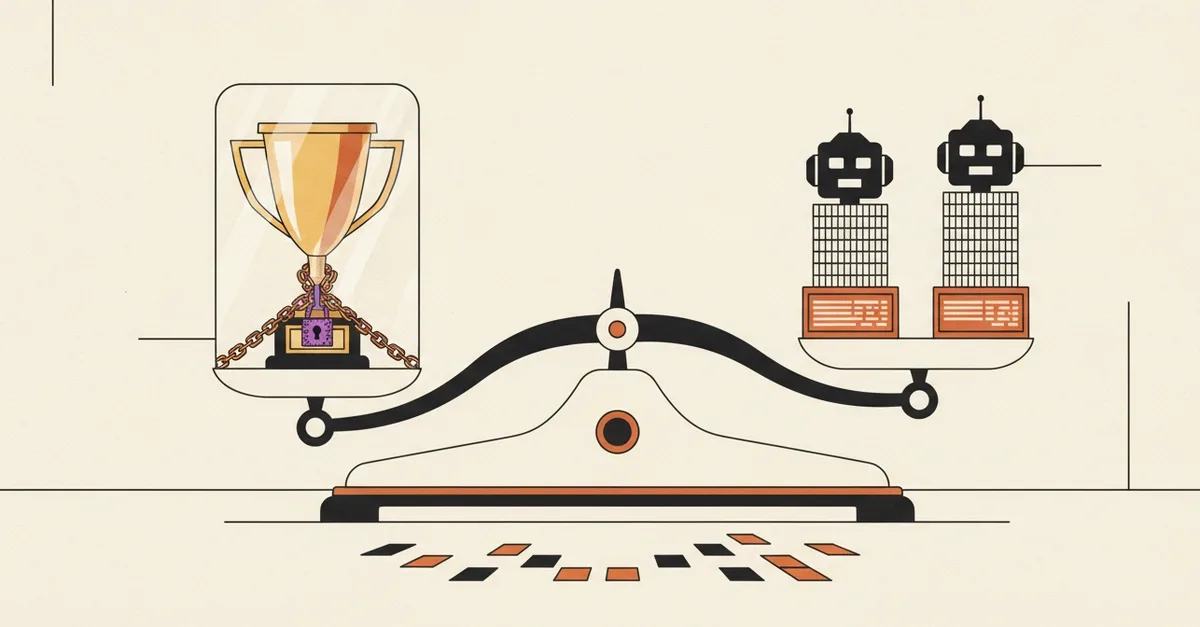
Meta Superintelligence Labs released Muse Wonder and Muse Wonder Full, the models the industry watched ripen for months under the codename Watermelon. A year ago Meta was not in the frontier conversation. Today its larger model sits at number two in the Artificial Analysis intelligence rankings, behind only Anthropic's Opus 5.5.
The gap behind it matters as much as the rank. Gemini 4 Argon, GPT 6 Astra, and Claude Fable 5.1 all score 53 on the index. Wonder Full scores 56, three points clear of that pack, and it passes Opus 5.5 and Astra at legal work, long coding projects, and memory tasks, while Opus still leads on health and computer use.
The open era ended quietly
Both Wonder models are closed. For the company that built its AI reputation on open Llama releases, that is a real turn. Wonder Full is limited to Muse Code plans at $50 or $200 per month, and the standard model lives on Meta's API and is rolling out to paid Muse app subscribers.
Alexandr Wang said API prices would sit meaningfully below OpenAI and Anthropic's top models. The standard Wonder lands at the same $4 and $20 per million tokens as Opus 5.5, so creators should budget by the independent scores, not the launch quotes. What rivals cannot copy quickly is everything around the model: the data centers, the billions of users already inside Meta's apps, and a consumer agent app ready to carry the model into daily life.
Karpathy's sharp funnel explains the moment
OpenAI cofounder Andrej Karpathy describes AI access as a sharp funnel. At the narrow end, roughly 5,000 people inside the labs work with the true frontier, running agent swarms for weeks and attacking open math problems. At the wide end sit nearly 6 billion people who have barely touched AI, plus one to two billion who use free chatbots for quick answers.
Karpathy calls it the weirdness of the moment: most people still underestimate what these systems can do, while a small group feels the curve going vertical. For creators, that gap is the opportunity. Your clients are mostly at the wide end of the funnel. The studios and brands that learn frontier tools now will be the ones explaining, and selling, the difference.
Sources and further reading
Sources were checked for this article. Tool features, prices and availability can change. Product claims are attributed to their publishers.