A French Distillery Used Winemaking to Rethink Whisky and Cut Years Off Aging
Maison Lineti ferments for seven days in concrete eggs with wine methods like lees aging, and experts call the young whisky remarkably complete at 3.5 years.
Innovation showed up wearing the wrong uniform
French wine country is famous for tradition and centuries old wineries. The Hustle reports that an eight year old company there, Maison Lineti, has become the site of serious innovation, not for wine, but for whisky. Wired has called what the distillery is doing the most innovative thing to happen to whisky in decades, and some experts have called it one of the most important distilleries in the world right now.
The founders explain the twist plainly. Magali Picard is a chemical engineer with a doctorate in oenology, the science of wine. Her partner in life and in business, Alex Cosculluela, built the company with her after its launch in 2018. Instead of treating whisky as a barrel problem, they treated it as a fermentation problem, and they brought the tools of their home industry with them.
Eggs, time, and a lot of data
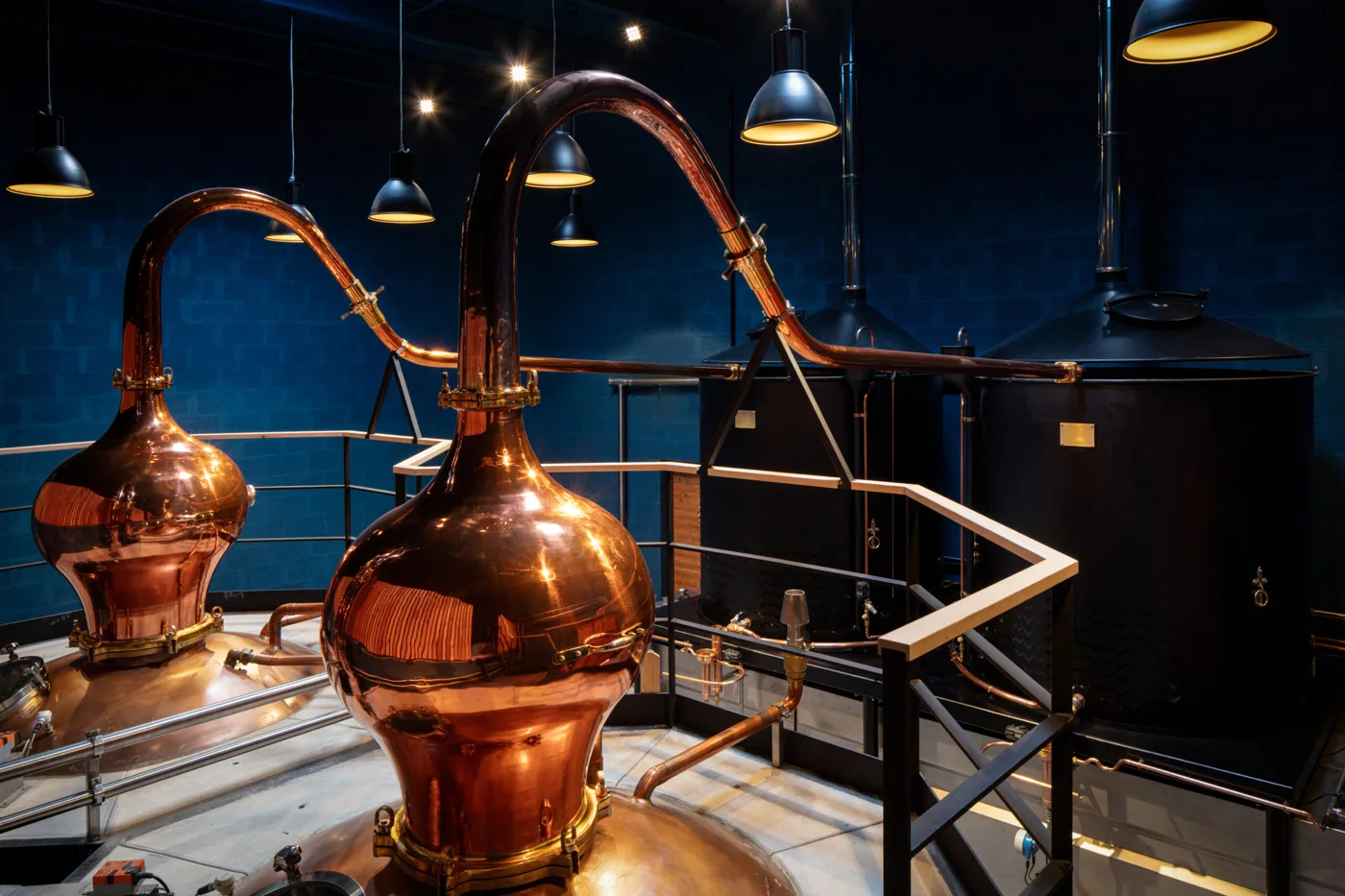
Traditional whisky making leans heavily on barrel aging. Maison Lineti starts much earlier. The team ferments in giant concrete eggs, whose shape gives better temperature control than stainless steel and keeps the liquid moving. Fermentation runs seven days, compared with two or three days for a typical Scotch, and wine methods do the rest of the work: lees aging, cold soaking, and malolactic fermentation, guided by detailed molecular experimentation and lots of data.
The result is a well rounded whisky with soft floral and mineral notes and a creamy mouthfeel that, at just 3.5 years old, has been impressing experts. The pre maturation process takes weeks longer than at traditional distilleries, yet the founders say it can shave two to four years off the aging process and yield a spirit of comparable quality. Less time in barrels also means less product lost to evaporation, which saves space, energy, and raw materials.
Nearly closed before the first bottle shipped
The Hustle is honest about the cost of the road. Like other whisky and wine producers in recent years, the company faced financial difficulty and nearly shut down last year before ever releasing a product. Eight years of research is a long time to spend with nothing on a shelf, and the wine world patience that made the method possible also made the business fragile.
New funding changed the ending. The whisky has now launched in the United Kingdom, and the company plans to expand to the United States market in 2028. Drinks writer Becky Paskin expects other makers to eventually adopt the methods, and told Wired that the industry is only starting to see the tip of what Maison Lineti is capable of. Survival first, then influence: the order matters.
Borrow the method, not the product
The transferable lesson has nothing to do with drinks. Every mature industry has a step everyone worships and a step everyone rushes. Whisky worshipped the barrel and rushed fermentation, so a founder trained in wine saw value exactly where the insiders were not looking. Ask of your own craft: which early step do competitors treat as a commodity, and what would change if an expert from a neighboring field ran that step with their standards instead.
For a video business, that might mean letting an events photographer set the lighting standard, or letting a wedding filmmaker own the delivery timeline clients feel. Cross industry borrowing works because the borrowed method arrives without the local blind spots. Maison Lineti did not out whisky the whisky makers. It brought wine discipline to the one stage whisky had stopped questioning, and the whole timeline moved.
Sources and further reading
Sources were checked for this article. Tool features, prices and availability can change. Product claims are attributed to their publishers.