Trained Sheepdogs Now Sell for Thirty Thousand Dollars and Buyers Fly In
Border collies at auction in Skipton, England, break price records as hobbyists join farmers, and drones still cannot match a good dog herding eye and instinct.
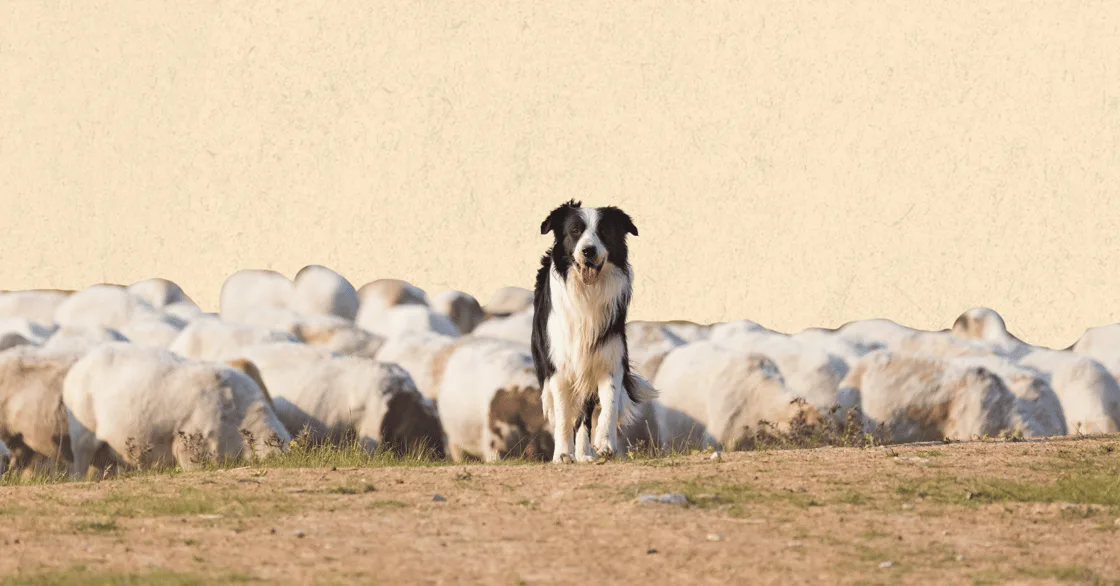
A working dog became a luxury asset
The Hustle leads its November 10 issue with a market most city readers have never priced: trained sheepdogs. Once the tool of rural farmers, top border collies now draw international buyers willing to pay upwards of 30,000 dollars for a dog with the intelligence, athleticism, and what handlers call the herding eye. The global Highland sheepdog herding market reached an estimated 150 million dollars in 2025 and is projected to reach 180 million dollars by 2033.
The center of the trade is Craven Cattle Mart in Skipton, England, a town whose name means sheep town in Old English. Once a local sale, it now pulls buyers from around the world, and online only sales that began during the pandemic widened the room further, especially as Brexit made bringing dogs in from Ireland harder. Scarcity, travel friction, and reputation all push the hammer price in the same direction.
The record book keeps getting rewritten
The prices are not rumors. In 2020, Megan, a two and a half year old border collie, sold for about 25,200 dollars to a farm in Oklahoma. In 2021, Kim, a one year old, sold for about 39,000 dollars and still holds the Guinness World Record for the most expensive sheepdog. That same year, a nine week old puppy set the record for an untrained sheepdog at about 10,000 dollars, which means buyers pay five figures for bloodline and promise alone.
The skill on display explains the money. At sheepdog trials, which began in New Zealand, Australia, the United Kingdom, and Ireland and have since spread worldwide, handlers guide dogs from fixed positions with verbal cues and whistles. From hundreds of yards away, the dogs gather sheep across uneven ground and through obstacles, earning points for precision. There is even a sheepdog Olympics. Buyers are not purchasing a pet. They are purchasing judgment at a distance.
The drones showed up, and the sheep ignored them
Every valuable craft gets its automation pitch, and herding is no exception. The Hustle notes that several startups are testing drones and even robot dogs as cheaper alternatives. So far they cannot match the agility and instinct of the real thing, and sheep often get used to drones and simply ignore them. The tool that cannot adapt on the ground loses to the worker who reads the field in real time.
The deeper twist is that sheepdogs are teaching the machines. Researchers study how the dogs move flocks to design strategies for controlling drone swarms, autonomous vehicles, and other networked systems. In other words, the centuries old craft is now the research model for the technology meant to replace it. Mastery became the dataset, which is a far better position than competing with the dataset on price.
Proof, scarcity, and a room full of buyers
Strip the story down and it is a pricing masterclass for any skilled trade. The value is proven in public, at trials where anyone can watch the work and score it. Supply is genuinely limited, because a great dog takes breeding, time, and training that cannot be rushed. And the auction gathers motivated buyers in one place, in person and online, where reputation travels fast and hesitation costs you the dog.
Creative work follows the same physics. Show the skill where buyers can judge it, keep your availability honestly scarce, and build rooms, lists, and followings where the right buyers gather before you need them. A border collie earns 39,000 dollars because its excellence is visible, rare, and witnessed. Any operator whose best work stays hidden is leaving the same premium unclaimed.
Sources and further reading
Sources were checked for this article. Tool features, prices and availability can change. Product claims are attributed to their publishers.