
He Charged 15 Dollars to Scare Strangers and Built an Empire
Chris Stafford left banking after proving his Denver strip mall haunted house could sell. Twenty four years later Thirteenth Floor Entertainment Group runs about 19 attractions, paid about 4,500 seasonal workers last Halloween, and is expanding into Christmas.
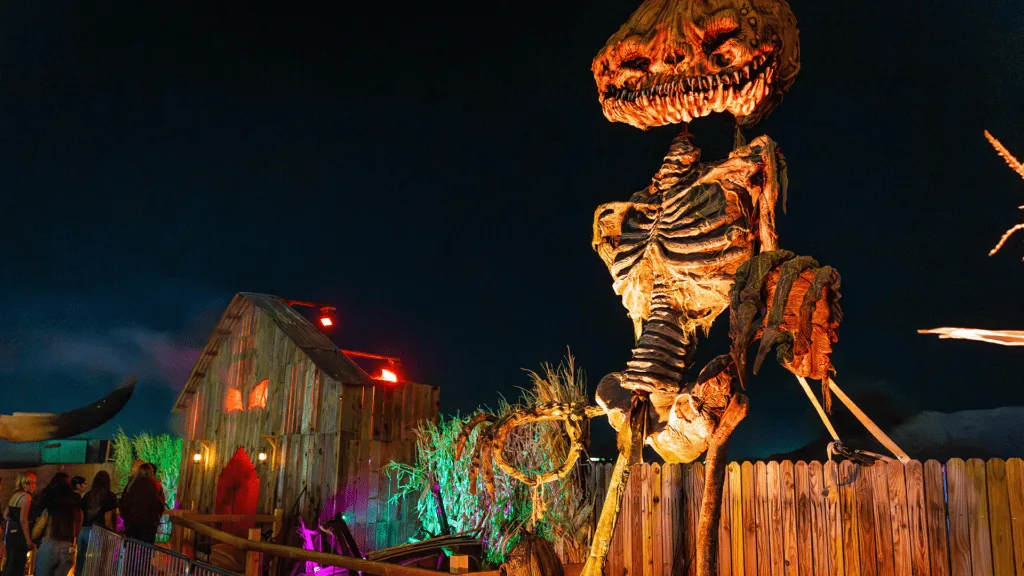
A strip mall, a banker, and a fake chainsaw
Chris Stafford fell for haunted houses at 15, working at a family run attraction, then chose the respectable path and became a banker. In 2002 he and Warren Conard opened their own haunted house inside a Denver strip mall, charging about 15 dollars a ticket. The budget was thin, so the creativity had to be thick.
The Hustle Blower tells the detail that gives the whole game away. They could not safely run a real chainsaw indoors, so they played the sound through speakers, and visitors ran for the exits. They never needed the most expensive prop in the building. They needed a feeling, and a feeling is what every guest paid for and remembered.
He quit only after the idea had already sold
Stafford did not resign on a dream. He ran the haunted house for years alongside his banking job, learning the customers, the operations, and the seasonal grind while a paycheck covered his life. When the 2008 financial crisis made banking look less stable than the scare business, he left around 2010 to run entertainment full time.
By then the question every founder dreads was already answered. Strangers had been paying for years. That is the order worth copying: sell the smallest version first, let real tickets teach you the business, and make the big leap after the proof is sitting in your bank account instead of your imagination.
Nineteen attractions and 4,500 seasonal workers
Twenty four years on, that side project is Thirteenth Floor Entertainment Group, a multimillion dollar company operating roughly 19 seasonal Halloween attractions plus other immersive experiences across the United States. Last Halloween the company paid approximately 4,500 seasonal workers, with about 80 full time employees holding the operation together year round.
The model has a built in marketing team: the guests. Nobody wants to be scared alone, so friends bring friends, then spend the ride home laughing about who screamed loudest and posting the photos. The group is part of the product, which means every ticket sold has a chance to sell the next three.
The same skills, a second holiday
October happens once a year, so the company has stretched the same skills into escape rooms, axe throwing, and interactive art installations. This year it is moving into Christmas attractions for 2026. That sounds like a new business until you list what the team already knows: building immersive rooms, moving crowds, selling tickets, and staging scenes people photograph.
For Florida creators the lesson lands close to home. Event coverage, photo walks, and themed nights are all experiences people bring friends to and talk about after. Know your three numbers before you build: the ticket price, the sales you need to cover costs, and what you actually keep. Then sell tickets before you spend on production, and let prepaid demand size the show.
Sources and further reading
Sources were checked for this article. Tool features, prices and availability can change. Product claims are attributed to their publishers.