Elvis Presley Rights Holders Sue Anthropic Over 274 Songs Used to Train Claude
Authentic Brands Group sued Anthropic on Friday, accusing the AI company of infringing copyrights to 274 Elvis Presley songs to train Claude and of generating infringing versions of the songs.
The King catalog enters the AI training fight
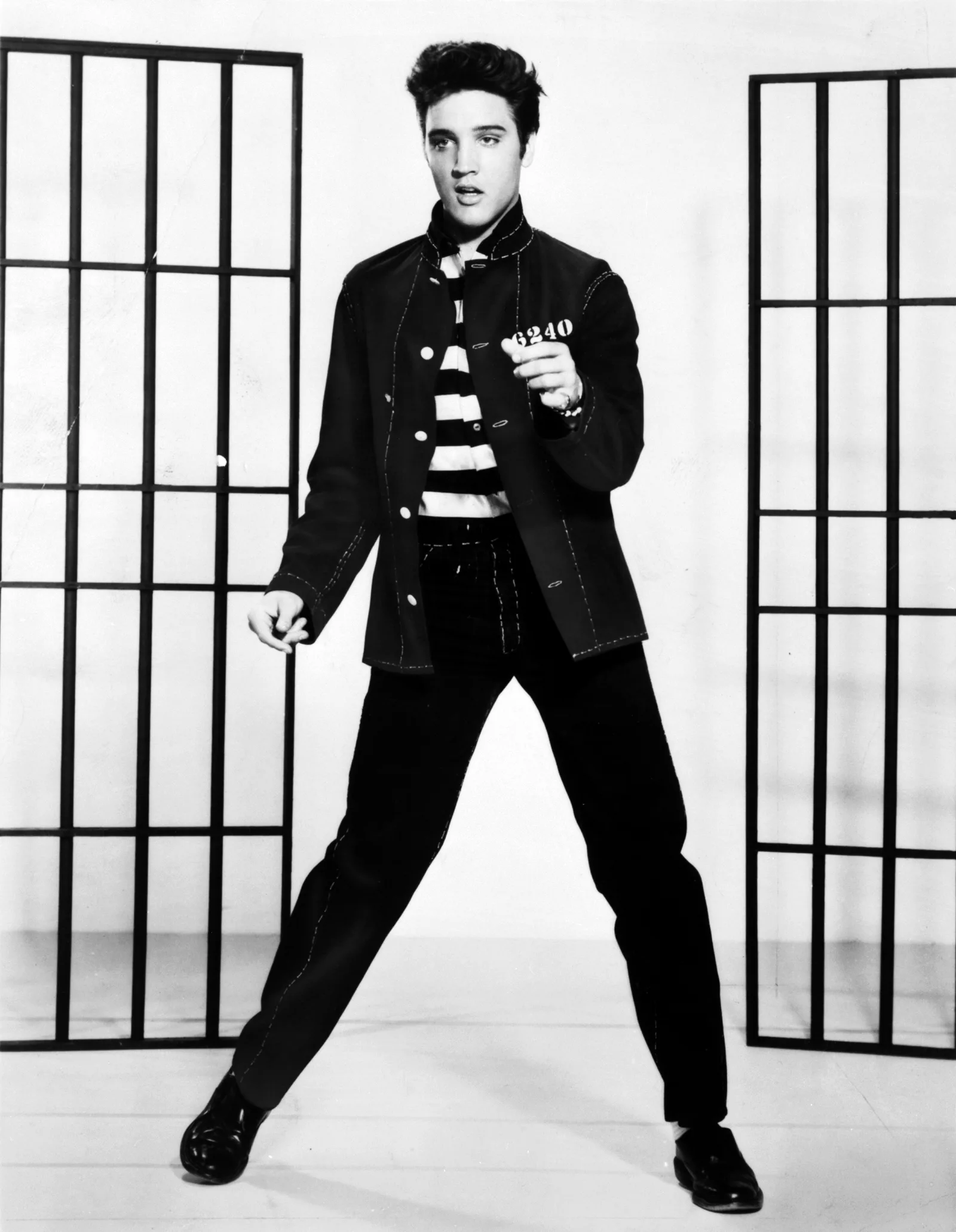
The group that holds rights to the music of Elvis Presley is suing Anthropic. Authentic Brands Group filed the lawsuit on Friday, accusing the AI company of infringing copyrights to 274 Elvis Presley songs without permission in order to train its Claude models, Morning Brew reports.
The suit also alleges that the company AI generated copyright infringing versions of his songs. The plaintiffs include other entities that own rights to Presley music alongside Authentic Brands Group. These are allegations in a filing, not findings by a court, and the case now has to prove them.
Strong words, and a short reply
The lawsuit language is blunt. It says Anthropic built its entire business model on infringing copyrights at an unfathomable scale. That sentence is written to frame the whole industry debate, not just one catalog: whether training on protected work without a license is fair use or taking.
Anthropic answered in one line. The company said it disagrees with the claims and intends to defend the case fully. Expect that pattern in every fight of this kind: a sweeping accusation about how the models were built, and a defendant that treats training as lawful ground it plans to hold.
Why 274 songs can challenge a frontier lab
A catalog is leverage because it is countable, owned, and documented. Two hundred seventy four named songs, with named rights holders, turn an abstract argument about training data into a specific bill someone can present. Estates and publishers learned this from the music industry long history of sampling and licensing disputes.
Presley is also a deliberate kind of plaintiff asset. The songs are famous, the ownership chain is professional, and the catalog keeps earning decades after release. If training value flows from the best known work, then the owners of that work are exactly the parties positioned to demand a share of it.
What this means for working artists
Most creators will never sue a frontier lab, and this case does not promise them a payout. Its real effect is nearer and more practical: it raises the price of unclear rights. Labels, estates, and platforms are building the paper trail now, and deals increasingly ask who owns what, what was it trained on, and what may be generated from it.
Your own catalog deserves the same treatment at your scale. Keep your splits, licenses, and release paperwork in order, register your work, and save the files that prove dates and authorship. Paperwork feels slow right up until the day it is the only thing that makes your claim real.
Questions to ask before you upload
Every AI tool in your workflow is also a rights decision. Before your unreleased music, footage, or client work goes into any of them, slow down for four checks:
- Read what the tool terms say about training on what you upload
- Keep unreleased client work out of tools that retain uploads by default
- Write AI use and ownership terms into client agreements before the shoot
- Save your original project files offline, with dates, as your proof of authorship
Ownership is the business model underneath
Songs written generations ago are still valuable enough to sue over because someone kept the rights organized. AI did not create that value. It created a new fight over who gets paid for it. Whatever the court decides, the creators who fare best will be the ones who can prove what they own.
Sources and further reading
Sources were checked for this article. Tool features, prices and availability can change. Product claims are attributed to their publishers.