Blood Testing Startups Want Your Veins and Your Data
Direct to consumer blood testing was a 4.7 billion dollar market in 2025 and could reach 16.1 billion by 2033. Oura, Whoop, and Apple are all selling panels, and doctors urge caution about what the results mean.
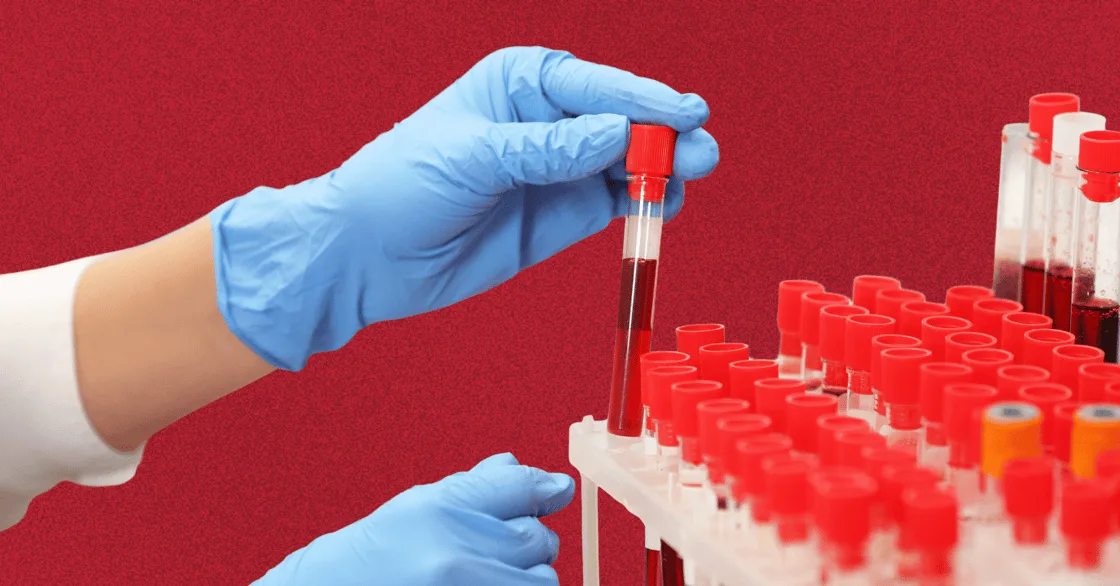
The vampire pitch, now with an app
The Hustle opened its October 30 Big Idea with a Halloween wink and a serious market. A growing crowd of health tech companies now sells blood testing directly to consumers, promising a longer and healthier life by catching diseases and conditions early, per The Verge reporting cited in the story.
The money behind the pitch is real. The direct to consumer testing market was valued at 4.7 billion dollars in 2025 and is expected to grow to 16.1 billion dollars by 2033. Rather than waiting for symptoms, customers pay to look for trouble early, and many find that faster and more empowering than navigating a complicated healthcare system.
Who is selling, and for how much
The offers stack up quickly. The Death Clock app, at 69 dollars a year, estimates life expectancy and a potential death date from lifestyle data and medical history, with an optional free blood panel. Oura sells blood tests for 99 dollars through a Quest Diagnostics partnership, designed to complement its Ring tracker, while Whoop partnered with Quest on targeted panels at 299 dollars.
The biggest platforms are moving in too. Apple Health is partnering with Quest to let users order tests covering more than 50 biomarkers for 119 dollars inside the Health app. Function charges 365 dollars a year for a membership that includes blood panels twice a year, with a full body MRI add on for under 1,000 dollars.
The caution from the medical side
Critics argue these tests can downplay the role of doctors and lead to over testing, unnecessary follow ups and treatments, and real anxiety. Many conditions cannot be detected by blood panels at all, and different tests can return conflicting results for the same person.
Because these tests lack FDA approval, healthcare professionals caution that they should be treated as tools for learning about aging, not as diagnosis. The Hustle also flagged the quieter risk: federal privacy laws typically do not protect sensitive health data the way people assume, and leaked or sold results could affect insurance, loans, and more.
What this means for founders and creators
Underneath the medicine sits a familiar business shape. Wearable companies already own the daily habit and the dashboard. Blood data is the missing layer, and selling it turns a one time device purchase into a subscription with recurring panels, memberships, and add ons.
The trust question is the whole business. A company asking for your blood and your data has to earn belief twice, once on the science and once on the privacy. The brands that explain limits honestly will outlast the ones selling immortality.
- Treat test results as information, not a diagnosis
- Ask who keeps your health data and who can buy it
- Compare panel prices, because the same labs sit behind many brands
- Talk to a doctor before acting on any alarming result
Invite them in, eyes open
The Hustle closed with the right joke and the right warning in one line: like vampires, these companies only get in if you invite them. The invitation may still be worth it for people who want a baseline and can read results calmly.
Just sign up knowing the trade. You are buying early signals and convenience, and paying with money, blood, and some of the most sensitive data you own. That can be a fair deal, as long as nobody pretends it is a crystal ball.
Sources and further reading
Sources were checked for this article. Tool features, prices and availability can change. Product claims are attributed to their publishers.