The Best Restaurant Lists Now Shape the Kitchens They Claim to Judge
Chefs say top restaurant lists boost revenue while quietly bending the work toward the ranking itself, and the chase costs time, money, and attention every week.
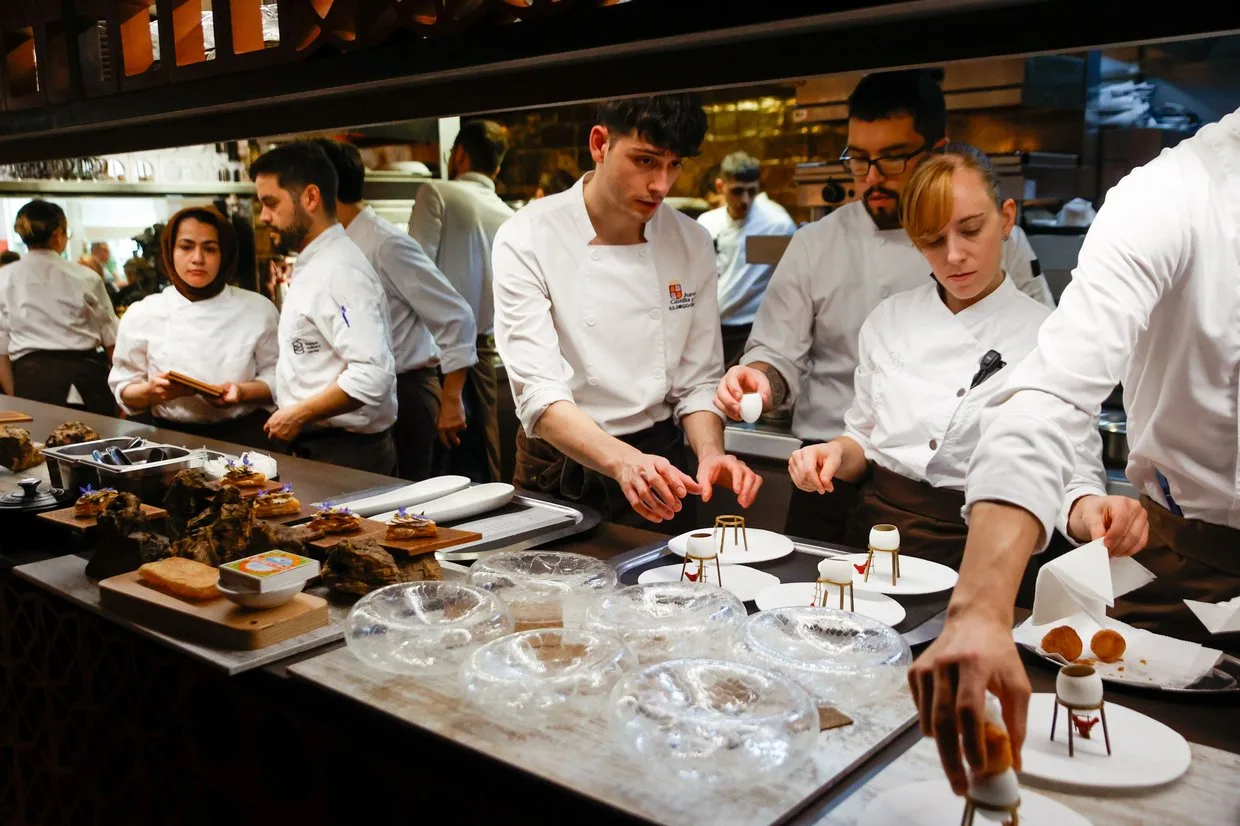
Winning the list is sweet, and then it starts billing you
Morning Brew reports that Asador Etxebarri in Atxondo, Spain, takes the honor of world best restaurant this year from The 50, a group that highlights top hospitality establishments. Being named at that level is one of the sweetest tastes of success a chef can get, and inclusion on the list genuinely boosts visibility and revenue for the restaurants that make it.
The problem is what the boost does to the work. Morning Brew notes that an owner focus can get caught up in making the list rather than improving the restaurant itself. Ivan Brehm, the chef and owner of Michelin starred Nouri in Singapore, put the whole critique in one line to CNBC: guides and lists now shape the industry they claim to assess. The judge has become a producer.
Even skipping the ceremony costs a decision
The chase itself is a workload. Ana Ros, whose Hisa Franko restaurant in Slovenia was ranked 60th, chose to skip this year best of event in Lima, Peru, saying the award ecosystem demands significant time, money, and work commitments, including press events and international travel. In other words, the ranking charges rent in attention long before it pays anything back in bookings.
Morning Brew widens the lens beyond kitchens. According to finance platform Tide, the average worker in the United Kingdom spends about 2.8 hours per week on self promotion, from speaking up about wins in meetings to writing polished posts about ordinary work. Every industry now runs a second shift of being seen, on top of the first shift of doing the work well enough to deserve it.
Creators live under the same ranking weather
Swap the dining room for a feed and the story is identical. Algorithms, festival selections, award lists, and local best of roundups all promise discovery, and all of them quietly reward the work that fits the ranking rather than the work the client actually needs. A filmmaker can spend a season shaping a reel for judges while paying customers wait for the simple, clear work that books the next job.
None of this means lists are worthless. A credible ranking is borrowed trust, and borrowed trust books rooms and closes deals. The mistake is letting the borrowed trust set the menu. The restaurants that survive the cycle treat the list as a marketing channel with a real cost, not as the definition of whether the kitchen is good.
Use the list, and keep your own scoreboard
The practical move is to budget the chase like any other channel. Decide in advance how many hours and how many dollars a ranking, an award entry, or a self promotion habit gets each month, and let it compete against the channels that already bring you buyers. When the cost climbs past the return, skipping the ceremony is not bitterness. It is management.
Then keep a private scoreboard the list cannot touch: repeat clients, referrals, delivery speed, and profit per job. Those numbers tell you whether the business is healthy on the weeks no one is applauding. Chase the honor when it serves the work. The moment the work starts serving the honor, the ranking owns your kitchen, your studio, or your calendar, and rent is due every week.
Sources and further reading
Sources were checked for this article. Tool features, prices and availability can change. Product claims are attributed to their publishers.