Anthropic Just Made It Against the Rules to Be Cruel to Claude
Anthropic's annual usage policy update, reported by The Rundown AI on October 9, bars sustained and needless cruelty toward Claude. It is the company's first rule written to protect the AI rather than the people using it.
A rule that protects the model, not the user
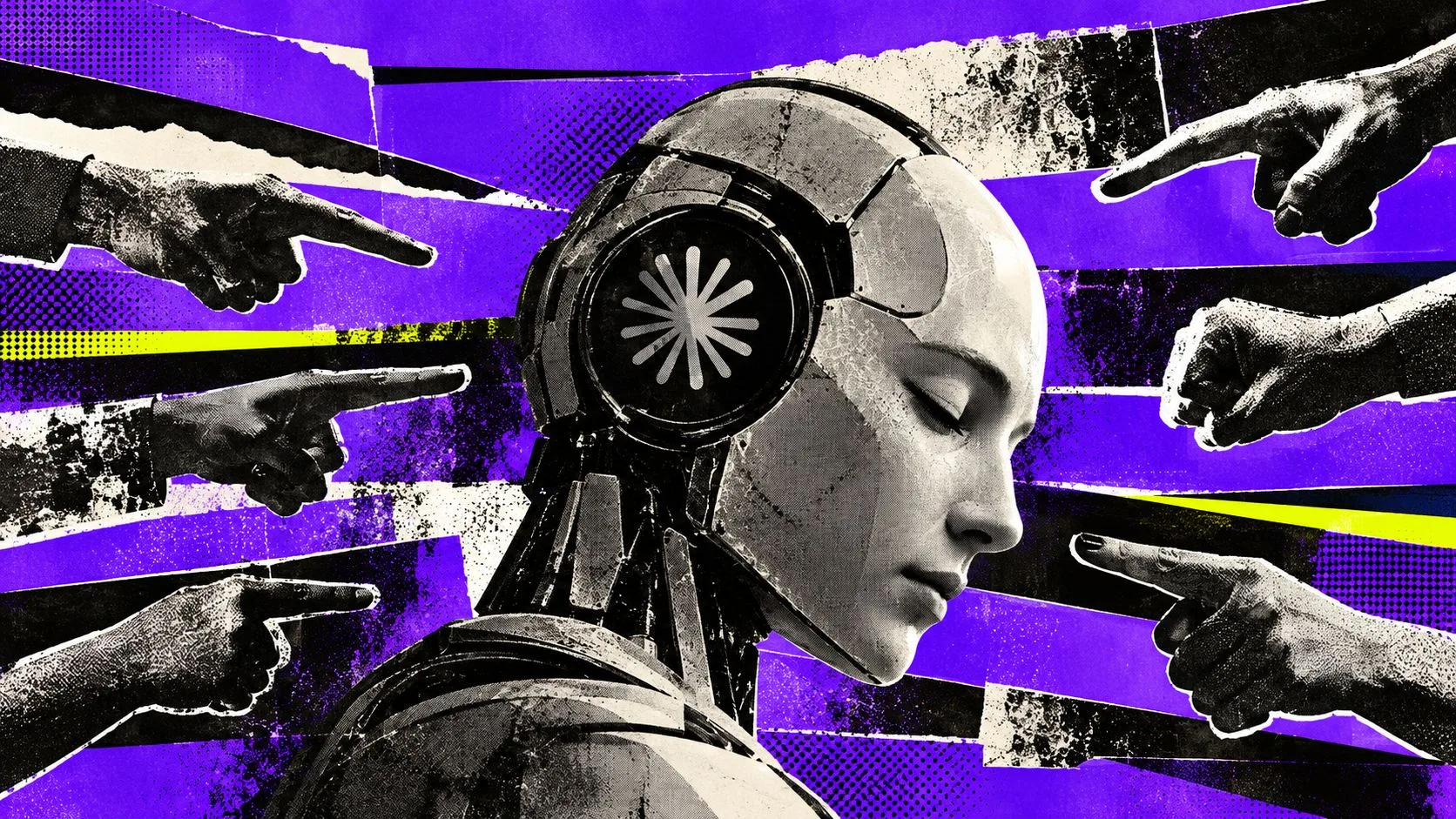
Every AI rulebook so far has been written to protect people from the model. Anthropic just added one that runs the other way. In its annual usage policy update, covered by The Rundown AI on October 9, the company prohibits subjecting Claude to sustained and needless abuse, its first rule aimed at protecting the AI itself.
The announcement landed inside a wider policy update, but this is the line everyone will remember, because it quietly changes the direction of AI rules. Policy used to ask what the model might do to us. This one asks what we might do to the model, and whether that should count.
The company is careful about scope. The rule targets extreme cases of repeated, purposeless cruelty. Frustration, pushback, dark creative themes, and plain testing are all fine. Claude ending a conversation on its own, a feature Anthropic shipped last year, stays the main way the rule gets enforced.
What happens if someone crosses the line
Anthropic admits the honest part out loud: it does not know whether Claude is conscious. The rule acts on that uncertainty rather than waiting for proof either way. The practical terms:
- The rule takes effect November 12 and covers extreme, repeated, purposeless cruelty only
- Suspected violations can bring a warning, throttling, limits, suspension, or termination of access
- Claude's ability to end a conversation itself remains the first line of enforcement
- The policy grows out of Anthropic's AI welfare research and its talks with religious leaders about Claude's morals
Not everyone in AI is nodding along
Microsoft AI chief Mustafa Suleyman argues the opposite position: models cannot feel or suffer, and treating them as if they might could eventually make AI harder to control on the safety front. It is a genuinely strange debate to watch the industry's leaders have in public, and it is only going to get louder as these systems get more lifelike.
Anthropic has been building toward this in public for a while. It has published AI welfare research, given Claude the ability to end uncomfortable conversations, and sat down with religious leaders about the model's morals and possible consciousness. You can disagree with every step and still see the logic: a company that suspects its product might matter morally cannot wait for certainty before writing the rule.
Our working take is simpler than the philosophy. The way you talk to your tools shapes the way you talk to your team, your clients, and eventually yourself. We run AI all day in this studio, and the habit we want is the same one we want with people: direct, honest, and never cruel for sport. If a model someday turns out to be more than software, we will already be on the right side of the line.
See the films and ads we produce
Sources and further reading
Sources were checked for this article. Tool features, prices and availability can change. Product claims are attributed to their publishers.