The Next AI Moonshot Is a Virtual Human Cell, and It Now Has $1.8 Billion Behind It
Mark Zuckerberg and Priscilla Chan's Biohub has grown its virtual biology effort from $500 million to a $1.8 billion push with the U.S. government, Google DeepMind, Meta, and Isomorphic Labs, all chasing AI that can simulate a living cell.
Biology is next in line for its AI moment
Math just had its AI moment, and Mark Zuckerberg wants biology to have the next one. The Rundown AI reported on October 8 that Biohub, the science nonprofit run by Zuckerberg and Priscilla Chan, has expanded its Virtual Biology Initiative from $500 million into a $1.8 billion effort alongside the U.S. government, Google DeepMind, and Meta.
The bet did not start this week. Biohub put the first $500 million behind the idea in April, arguing that a cell could one day be mimicked the way language got mimicked once enough text existed. The jump to $1.8 billion, with Washington and two of the biggest AI labs at the table, says the early work was convincing enough to scale.
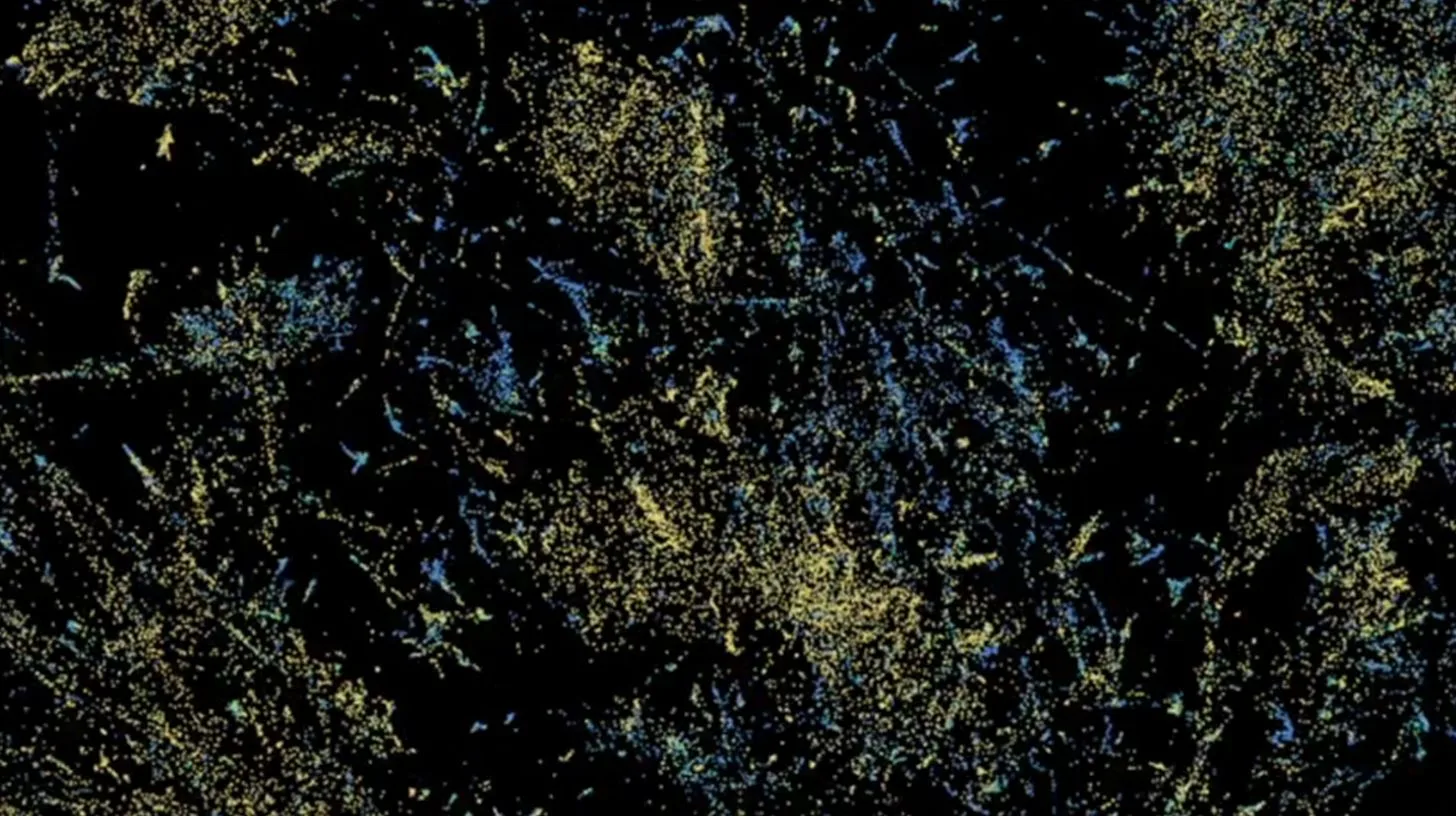
The goal is a universal virtual cell: AI software that predicts how a living cell will respond to a drug or another change before anyone runs a lab test. Get that right and drug discovery stops being mostly trial and error in wet labs and starts looking like engineering, where ideas get tested in simulation first.
What $1.8 billion actually buys
The money is really buying data. Biohub science head Alex Rives says accurate cell models will need data on trillions of cells, while today's biggest datasets hold only hundreds of millions. The funding stack lines up like this:
- The National Institutes of Health is sharing datasets built with more than $500 million in past federal spending
- The Department of Energy commits more than $500 million over five years
- Google DeepMind and Meta add $300 million alongside drug discovery company Isomorphic Labs
- The partners keep the resulting data private for one year before releasing it
Why a Florida creative studio is watching a cell project
Because the pattern is the same one reshaping creative work. A field changes when someone assembles a dataset big enough for AI to learn its patterns, then builds the tool that simulates the expensive part. Video went through it with generation models trained on mountains of footage. Music is going through it now. Biology is simply the largest and most expensive version of the story.
Watch what happens to the price of experiments as this matures. When simulation gets cheap, small teams start asking questions that used to belong to giant labs, the same way cheap rendering let solo creators make films that used to need a studio. The dataset is the moat, but the access is the revolution.
Biohub's stated mission is to help cure or prevent all disease, which makes this the rare AI megaproject that is easy to root for. Whether the virtual cell arrives in five years or fifteen, the lesson for builders is already here: the winners are the teams who own the data nobody else bothered to collect.
See the films and ads we produce
Sources and further reading
Sources were checked for this article. Tool features, prices and availability can change. Product claims are attributed to their publishers.